Europe’s largest-ever find of rare earth metals
Even if you had never heard of them before 2023, chances are you now know what rare earth metals are. The discovery of a deposit in the area around Kiruna, in the far north of Sweden, made headlines around the world. It contains more than a million tonnes of oxides, which could help Europe continue its transition to a low-carbon society. Rare earth metals are, after all, crucial to the energy transition. Without them, there would be no wind turbines or electric vehicles …
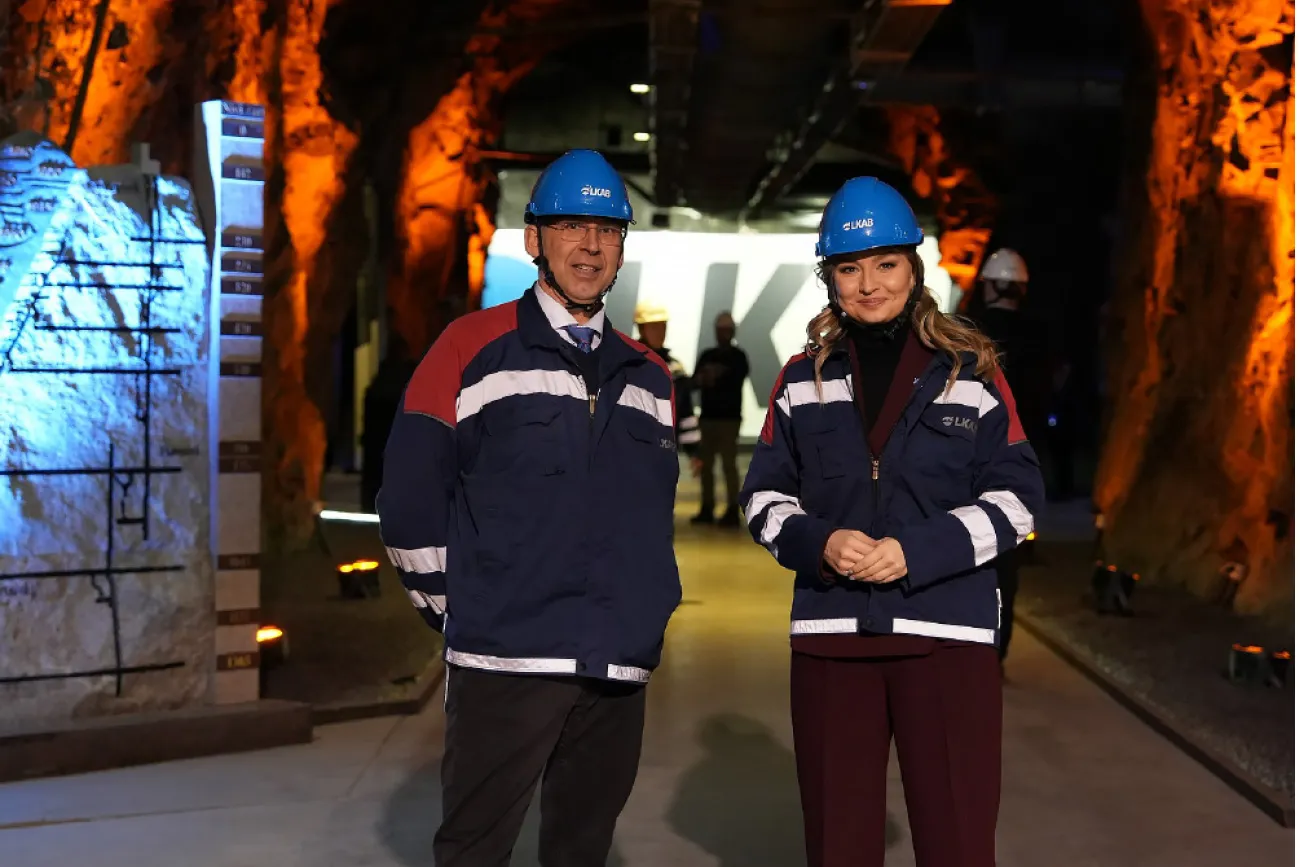
Following successful exploration, LKAB announced in early February that it had found a significant deposit of rare earth metals close to the Kiruna mine, which it has operated for years. It is said to be the largest known deposit in Europe, containing more than a million tonnes of oxides. “This is good news for LKAB, the region and the Swedish people, but also for Europe and the climate. This is the largest known deposit of rare earth metals in our part of the world. It could become an important building block in our green transition. We are facing a supply problem. Without mines, there are no electric vehicles,” says Jan Möstrom, President and Group CEO of LKAB.
Reducing dependence on Russia and China
No rare earth metals are currently mined in Europe. Demand is set to rise sharply as a result of electrification, leading to global shortages at a time of increasing geopolitical tensions. The European Commission expects demand to increase fivefold by 2030. For now, Europe is looking mainly to China to meet that demand, increasing the vulnerability of European industry. “Electrification, self-sufficiency and independence from Russia and China start in the mine. Politicians must give industry the conditions it needs to switch to green and fossil-free production. Sweden’s mining industry has a lot to offer here,” says Ebba Busch, Sweden’s Minister for Energy, Business and Industry.
Still a long way to go
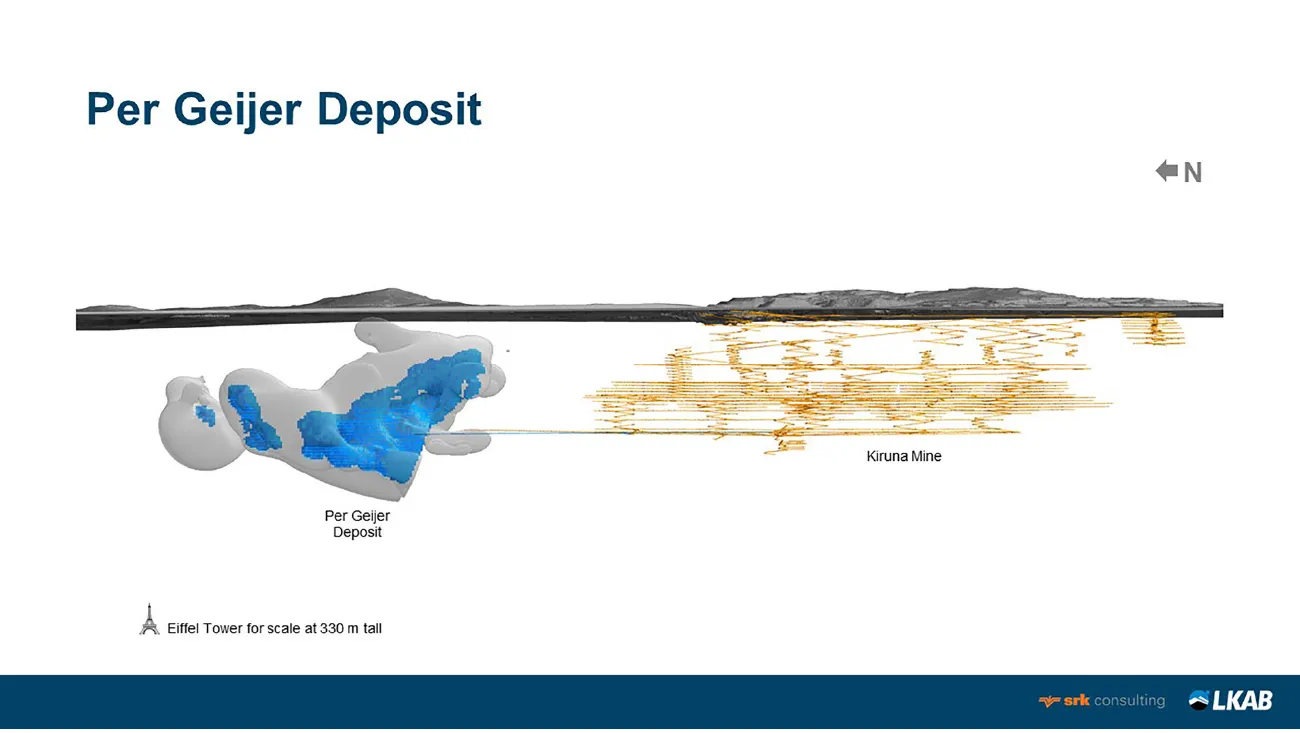
At the same time, there is still a long way to go before mining can potentially begin. The first step is to apply for an exploitation concession for the Per Geijer deposit, allowing it to be investigated further at depth. The plan is to submit an application for an exploitation concession in 2023. LKAB has already begun preparing a drift several kilometres long, at a depth of around 700 m in the existing Kiruna mine. “Based on the progress of other permitting processes in our industry, it will take at least ten to fifteen years before we can actually start mining and supply raw materials to the market. And that is in Kiruna, where LKAB has been mining ore for more than 130 years. We need to change the permitting processes to increase the extraction of these types of raw materials in Europe. Access is now a crucial risk factor for both the competitiveness of European industry and the climate transition,” says Moström.
Circular industrial park
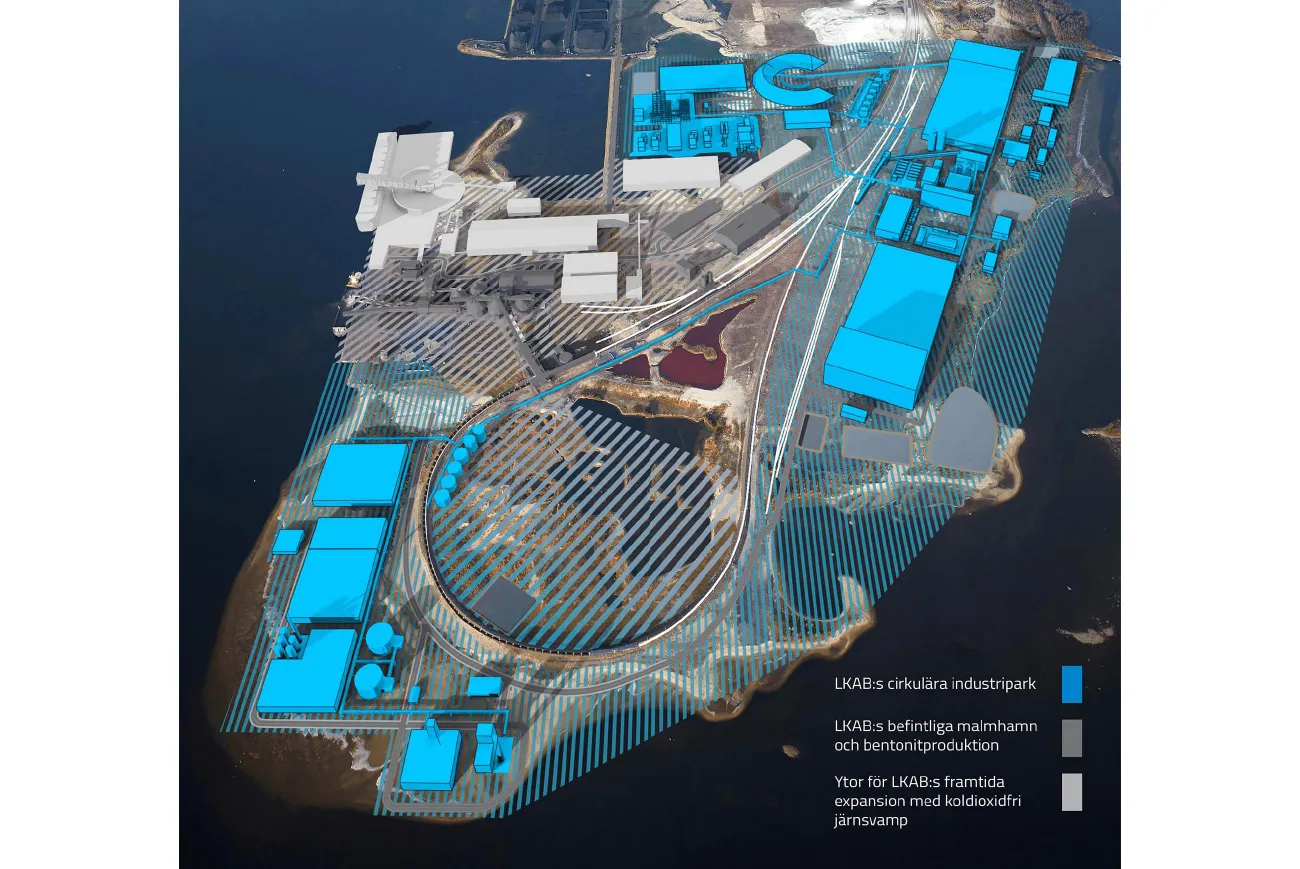
The rare earth elements in Per Geijer occur alongside phosphorus in the mineral apatite, within what is primarily an iron ore deposit, and can therefore be produced as a by-product. This also opens up entirely different possibilities. “LKAB is already planning a circular industrial park in Luleå, using new technology to extract and process phosphorus, rare earth elements and fluorine from current mining production. Instead of being dumped, the material could be used to make new, sustainable products. Production is scheduled to start in 2027,” says Leif Boström, Senior Vice President, Business Area Special Products, LKAB.
Question about this story? Ask your question
Keep following this
Get an email when a new story is published. No account needed.
- SubjectRare earth metals