The race for rare earth metals is on
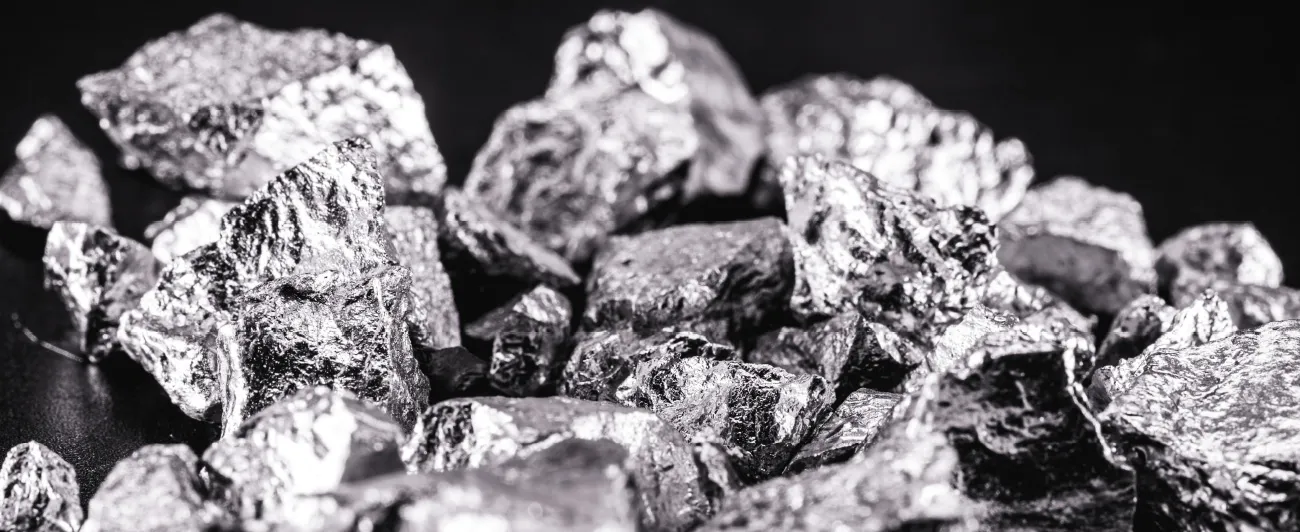
Access to critical raw materials will be crucial to maintaining our high-tech lifestyle and safeguarding the competitiveness of European companies. The focus is particularly on so-called rare earth metals such as germanium, hafnium and niobium … They may not sound familiar to you, but they will ring a bell with manufacturers of electric cars, solar panels, batteries and low-carbon heating systems, among others. They are not actually rare, but are usually found only in low concentrations in the Earth's crust, making extraction more expensive.
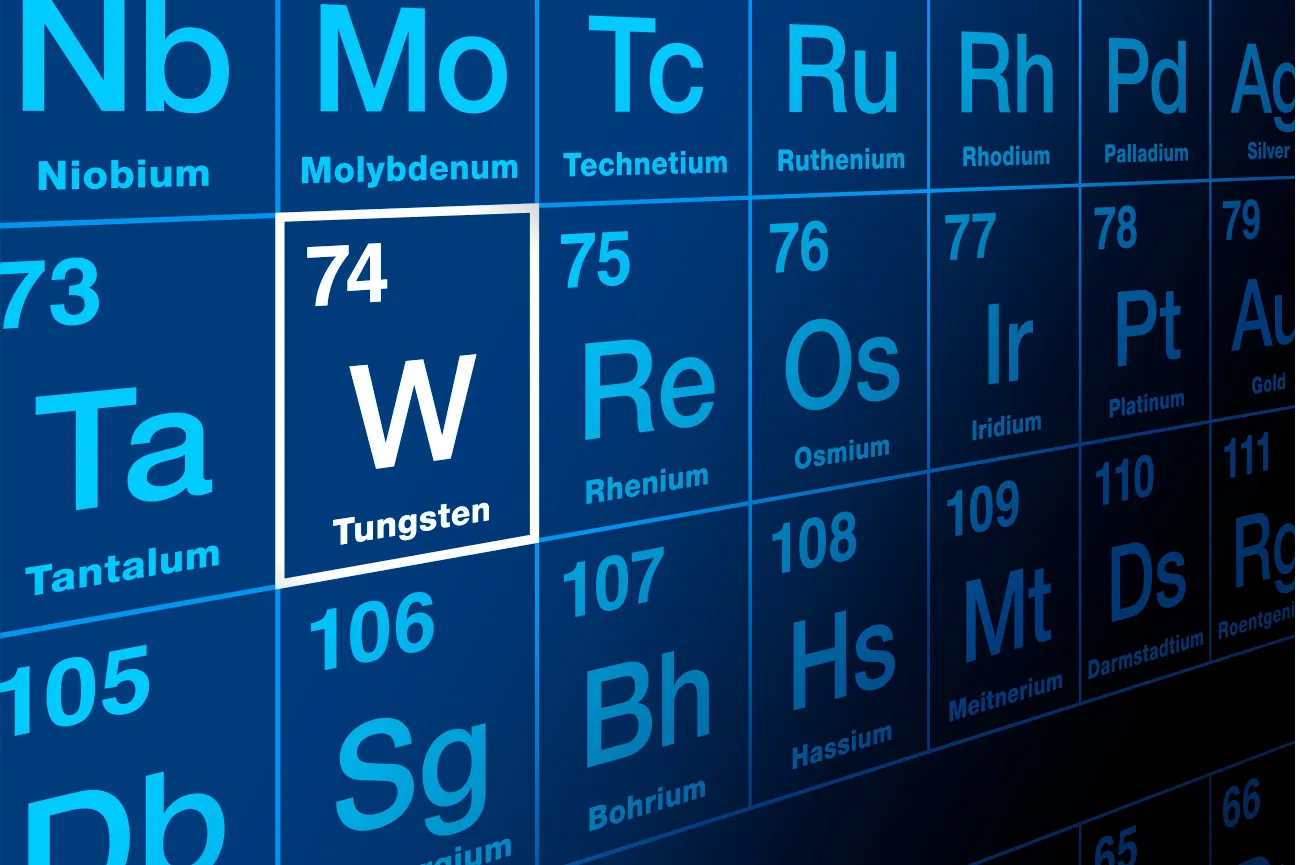
Europe defines critical raw materials (CRMs) as raw materials that are economically important and face significant supply-chain risks. They are essential for safeguarding the functioning and integrity of our industrial ecosystems. Examples include tungsten, which makes phones vibrate; gallium and indium, which are used in LED technology; silicon metal in semiconductors; and platinum group metals in hydrogen fuel cells and electrolysers … Around 30 have been identified in total. Each is a critical raw material for our (future) electrified society. By 2030, we will need 18 times more lithium and 5 times more cobalt for electric vehicles and batteries. By 2050, those quantities will have risen to 60 times and 15 times their current levels respectively. Demand for rare earth metals used in permanent magnet technology is expected to increase tenfold by 2050. The greater our sustainable ambitions, the greater our appetite for these materials.
Action plan to safeguard supply
Today, the supply chain for CRMs is highly concentrated. China, for example, accounts for 98% of Europe's supply. Turkey supplies 98% of its borate, while South Africa is almost the sole supplier (71%) of platinum and the platinum group metals (iridium, rhodium and ruthenium). To safeguard a secure and sustainable supply of these CRMs, the European Commission launched an action plan in 2020. CRMs are, after all, vital if we are to make the transition to a low-carbon society. The aim is to reduce Europe's dependence on other countries and regions, diversify supply by drawing on primary and secondary raw materials, and improve the efficiency with which these materials are used. In this way, Europe also aims to strengthen the competitiveness of its industry.
Barriers to urban mining
The European Battery Alliance is tasked with stimulating public and private investment so that by 2025, European sources can meet 80% of Europe's lithium demand. Europe is looking not only to expand mining, but also to urban mining. The recycling industry therefore has an important role to play, but, as with extraction, it faces the challenge that CRM concentrations in products are generally quite low. Europe is also developing a regulatory framework. Guidelines are already in place, for example, on the collection and recycling of batteries to recover these rare earth metals. But recycling of most rare earth metals is still in its infancy. Tungsten and europium are the only ones performing relatively well, with input rates of 42% and 38% respectively. To make real progress, however, changes will also be needed at the start of the supply chain, so that more information is available on exactly which materials, and in what quantities, can be recovered from which products.
Which materials are we talking about?
- Antimony
- Barite
- Bauxite
- Beryllium
- Bismuth
- Borate
- Coking coal
- Fluorspar
- Phosphate rock
- Phosphorus
- Gallium
- Germanium
- Hafnium
- Indium
- Cobalt
- Lithium
- Magnesium
- Natural graphite
- Natural rubber
- Niobium
- Platinum group metals (iridium, osmium, palladium, platinum, ruthenium, rhodium)
- Scandium
- Silicon metal
- Tantalum
- Titanium
- Tungsten
- Vanadium
- Wolfram
Question about this story? Ask your question
Keep following this
Get an email when a new story is published. No account needed.
- SubjectRare earth metals