How do lithium fires start, and what are the consequences?
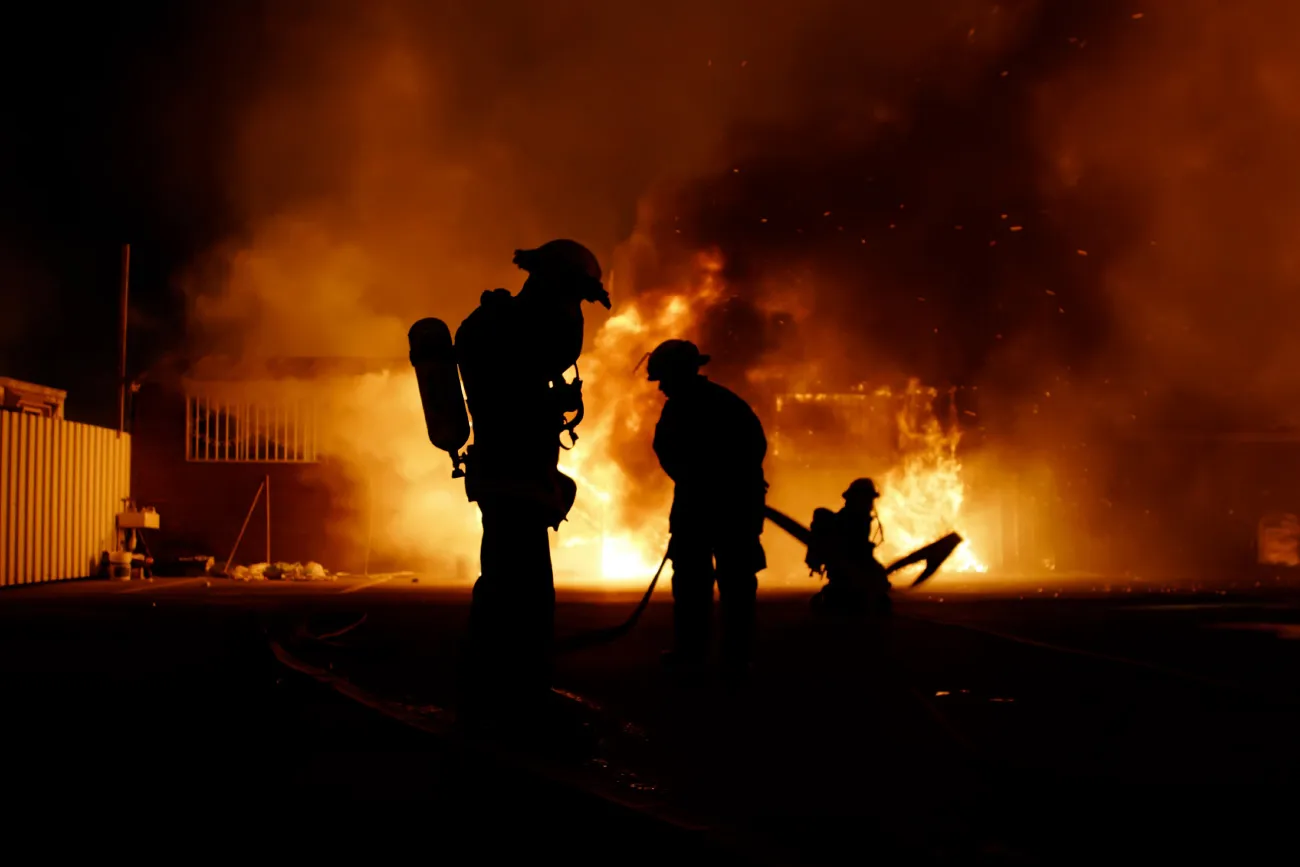
There is no magic formula that can reduce the risk of fires involving electronic waste containing batteries to zero. However, a number of steps can be taken to keep the risk as low as possible. This applies to all stakeholders involved in the life cycles of batteries and electronic devices. That is the finding of a recently published study focusing on fires caused by lithium-ion batteries and describing best practices for preventing these incidents. In this article, we first explain how a lithium fire starts.
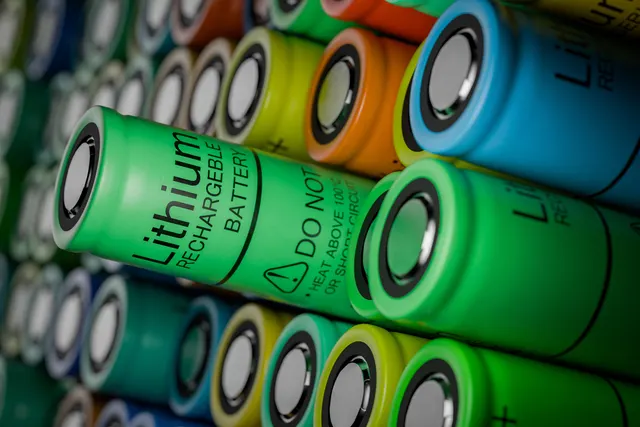
Before we explore the recommendations in more detail, it may be useful to discuss the properties of lithium-ion batteries. This is not a single type of battery, but a family of batteries with different chemical compositions. There are two main categories: primary, non-rechargeable lithium cells that use lithium as the active material and anode, and secondary, rechargeable lithium-ion batteries in which lithium is present only in ionic form in the electrolyte. The latter group in particular plays a significant role in the electrification of society. They come in all kinds of shapes, sizes and colours, and are found in a wide range of electronic devices, whether removable or not.
The hazards of lithium-ion batteries
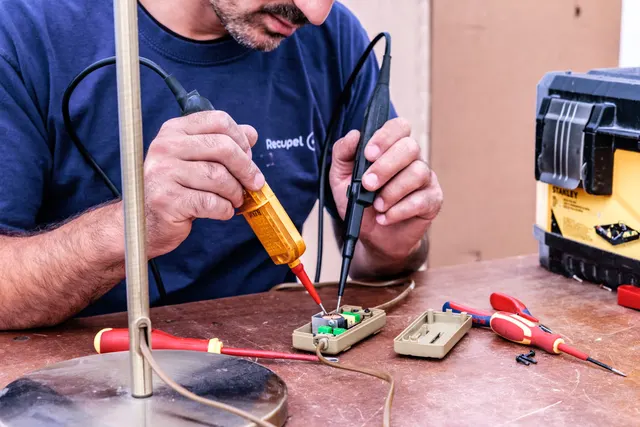
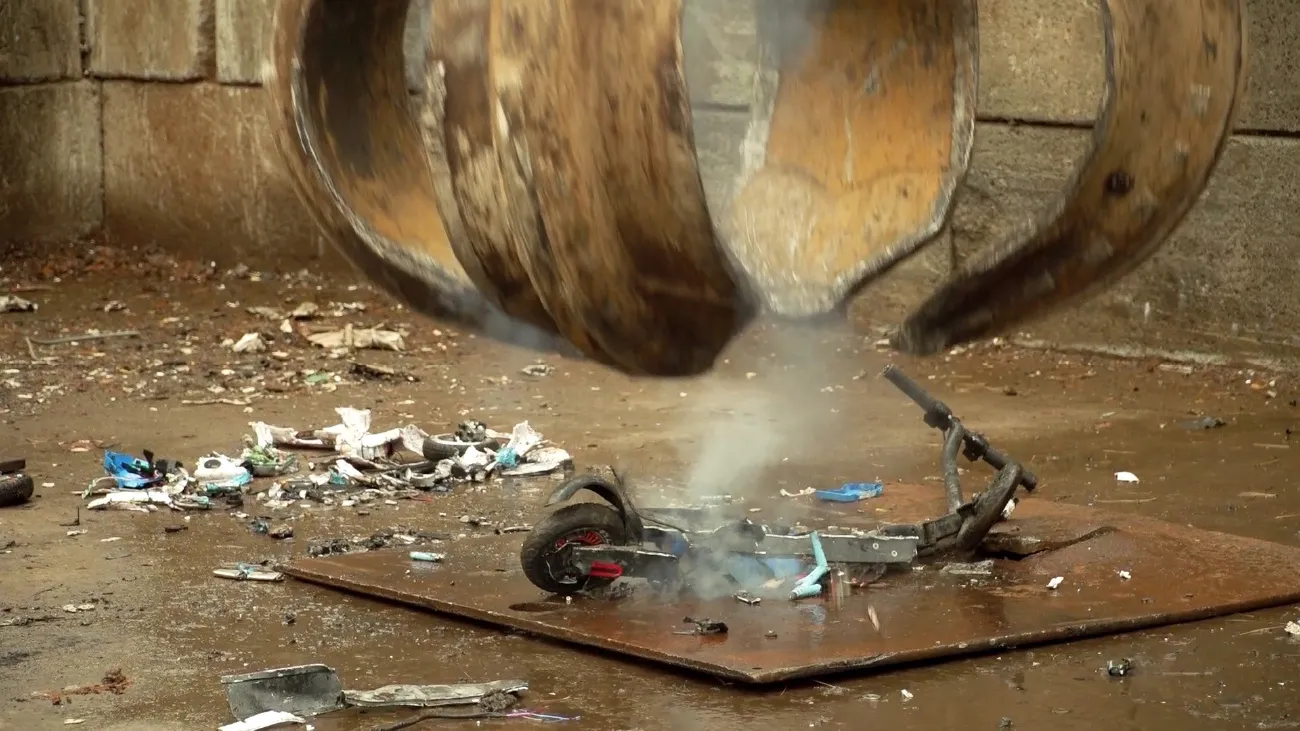
Why are these lithium-ion batteries in particular seen as the culprits behind waste fires? First of all, we should note their power. They may be lightweight, but they deliver high output. Their low weight also makes them very fragile, however. This usually happens when the battery terminals, internally or externally, are connected, causing a short circuit. This may pass without further consequences or, in the right environment, provide the spark that starts a fire or explosion. Much depends on the battery’s charge level. Secondly, batteries can become so hot that thermal runaway begins, potentially causing an explosion. These faults can result from problems with the design or assembly, incorrect use of the batteries or electronic devices, or improper transport or storage at end of life.
What happens when a lithium battery fails?
Most lithium-ion cells combine highly reactive materials in a very compact space, close to volatile and highly flammable electrolytes. When the barriers separating these reactive materials are damaged, a chain of chemical reactions generates heat. This creates a domino effect in which the temperature can rise to an uncontrollable 700 to 800 °C. Flammable gases also escape at this point. Smoke from a lithium fire contains flammable, carcinogenic, toxic and corrosive substances. Safety precautions are therefore essential. Once the temperature reaches a certain point, the electrolyte generates certain gases. The material separating the anode and cathode will melt and cause a short circuit. This too can lead to a series of chemical reactions, releasing more gases, producing sparks or allowing oxygen to escape from the cell. This is what causes the lithium cell to catch fire.
What damage can they cause?
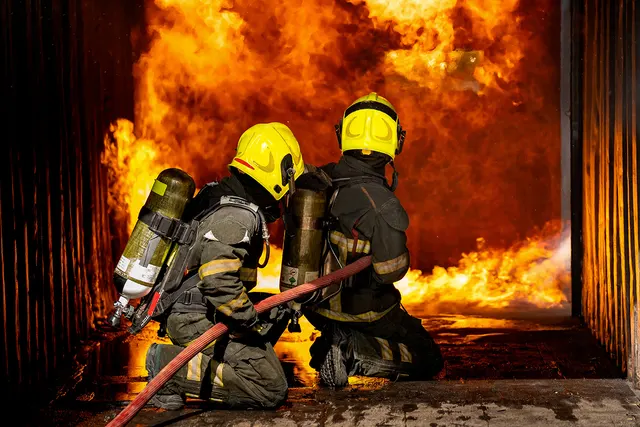
The costs associated with a lithium fire can vary depending on the type (smoke, hotspot, sparks, slow smouldering fire with or without flames, intense fire, explosions) and frequency. According to a 2019 survey, 36% of the 109 respondents reported a serious incident in the previous four years. The average cost in 2018 was 190,000 euros. The most serious fires during that period had an average price tag of 1.3 million euros. The fire brigade also had to attend those incidents. Anyone looking to invest in fire prevention and fire-fighting measures will find that costs vary enormously. It is therefore a good idea to consult an expert who can provide the right advice and help draw up an appropriate, cost-effective plan. In addition to the direct costs, there are also indirect costs. Burnt materials and the water used to extinguish the fire may still contain substances from electronic waste and must therefore be removed and treated. In addition, affected companies are often unable to meet their contractual obligations, which can lead to penalties.
Question about this story? Ask your question
Keep following this
Get an email when a new story is published. No account needed.
- ThemeCircular processing of electronics and batteries
- SubjectLithium-ion fires