Batteries in household waste cause 700 fires every year

Figures for fires in Great Britain
Until now, there has been very little data on waste fires caused by lithium-ion batteries. A recent article on BBC News has revealed that there are around 700 such incidents every year in rubbish lorries and waste treatment facilities in Great Britain. We are therefore pleased to share the article’s contents with you.
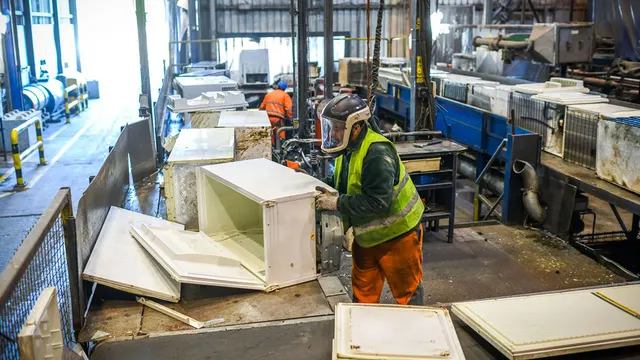
Lithium-ion batteries can explode when damaged. This causes hundreds of waste fires every year. According to the British Environment Service Association, the resulting fires cost waste companies around £158 million a year. The non-profit organisation Material Focus has therefore developed an online search tool to help consumers find their nearest recycling point and dispose of their lithium-ion batteries correctly.
Batteries everywhere
Lithium-ion batteries are now an integral part of our lives. They are found in rechargeable devices such as toothbrushes, toys, phones and laptops … Even musical greeting cards use them. What’s more, they are becoming increasingly powerful, and it is not always clear which devices contain them. Ben Johnson of Environmental Services Association told BBC News that “more and more people are throwing away battery-powered devices in household waste or mixing them with other recycling streams. This causes problems because they tend to explode or catch fire if damaged. And when they end up in household waste, they are very likely to be crushed, compacted, broken or exposed to water. This can result in short circuits. They are then surrounded by other flammable materials such as plastic, paper and cardboard, which can lead to major fires.”
Lithium-ion batteries
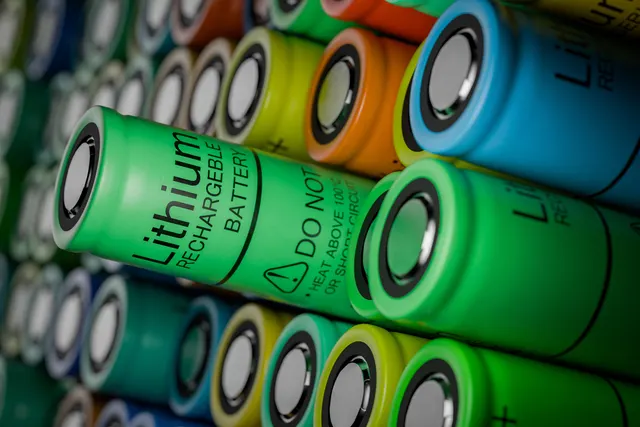
The most common type of lithium-ion battery in consumer electronics consists of two electrodes separated by a separator, which allows charged particles (the lithium ions) to move through a solvent between them. Charging the batteries pushes the ions back to where they came from. As long as the battery remains intact, this is usually a safe state. But if the electrodes come into direct contact, the charged particles can suddenly discharge in an explosion, and chemicals in the battery can cause a fire if they are flammable. Mark Andrews, who is responsible for waste fires at the National Fire Chiefs Council, says the problem is growing as people use and throw away more electronic devices. “We urge people to recycle electrical devices and batteries rather than simply putting them in household waste. These fires are challenging for fire services, have a significant impact on local communities and put waste transport and processing staff at risk. Everyone can do their bit to prevent fires by recycling them correctly.”
Take them to a local recycling centre
Laura Fischer of waste company FCC Environment adds: “The best thing people can do is take batteries to their local recycling centre or a large supermarket. Most have the right battery bins.” Fire safety and electronic waste experts are calling for clear rules on the safe disposal of batteries, including how best to recycle them. The government will consider this issue in 2023.
Based on an article by Victoria Gill and Kate Stephens published on BBC News.
Question about this story? Ask your question
Keep following this
Get an email when a new story is published. No account needed.
- ThemeCircular processing of electronics and batteries
- SubjectLithium-ion fires