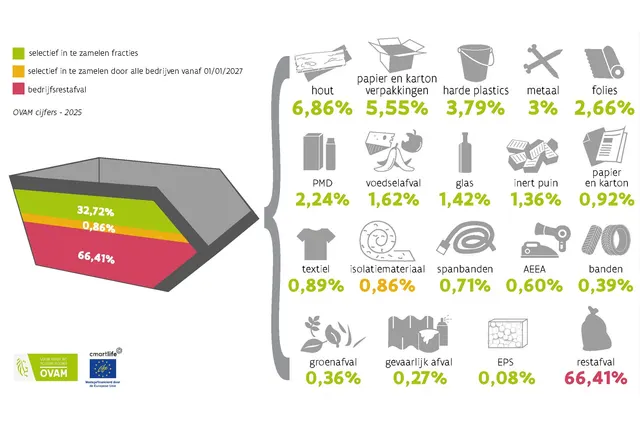
The hard figures [Edition 2-2024]
Text Valérie CouplezImage iStock
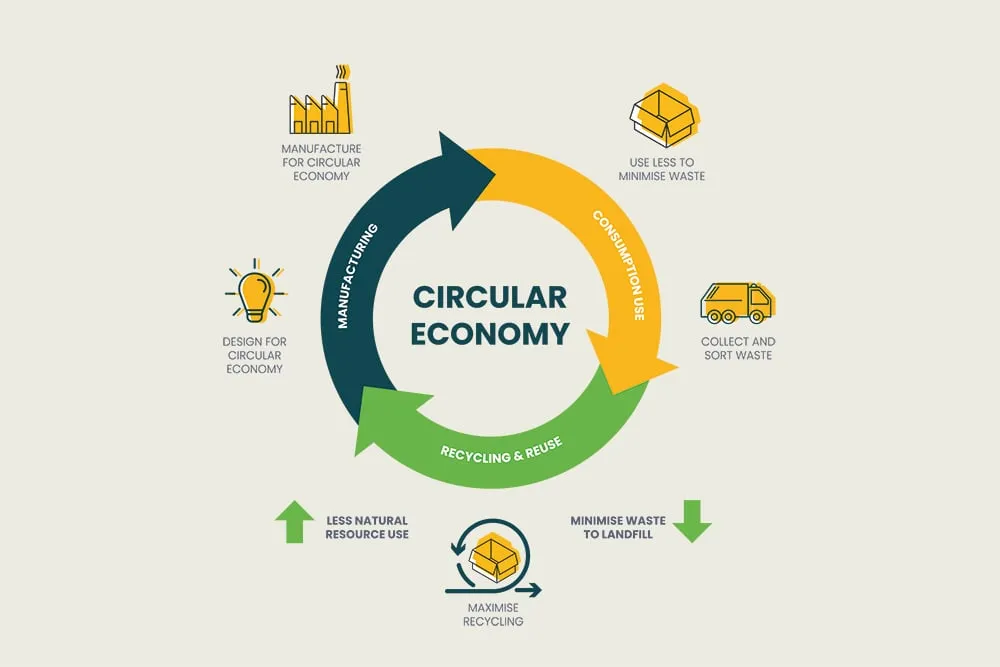
The old adage says that what gets measured gets managed. That is why RecyclePro is once again presenting figures on the waste sector in every 2024 edition. It is up to you to draw insights from them that could optimise your production process or boost your returns. This time, we broaden our horizons and examine the Global Resources Outlook from the United Nations International Resource Panel (UNEP-IRP). It shows that the time has come for a new policy approach. Without measures to promote a circular economy for mobility, housing, energy and food, resource consumption will increase by 60% by 2060.
If we are to win the fight against climate change, biodiversity loss and environmental pollution, we will have to produce and consume differently. Figures from UNEP-IRP show that global resource consumption has more than tripled over the past 50 years, reaching 106 billion tonnes. It is also unevenly distributed. Per capita consumption in high-income countries is six times higher. While reducing consumption is possible in rich countries, rising prosperity is essential in low-income countries. To reconcile this with achieving environmental targets, resources must be used more efficiently worldwide.
There is room for improvement
Alongside the baseline scenario, which projects a 60% increase in resource use by 2060, the Outlook also describes alternative scenarios in which growth is much lower thanks to a greater focus on the circular economy. For example, appliances last longer, recycling increases and lifestyles change. These scenarios make much more efficient use of resources than the baseline scenario, meaning resource use could fall by 30% compared with the baseline. This would bring major environmental benefits. By 2060, for example, the gap between the current trend in greenhouse gas emissions and a Paris-aligned scenario would be halved. Both national policies and international cooperation are needed to make radically more efficient use of available resources and materials.
Question about this story? Ask your question
Keep following this
Get an email when a new story is published. No account needed.
- SubjectHard numbers