The hard facts [Issue 6-2024]
Text Valérie CouplezImage iStock
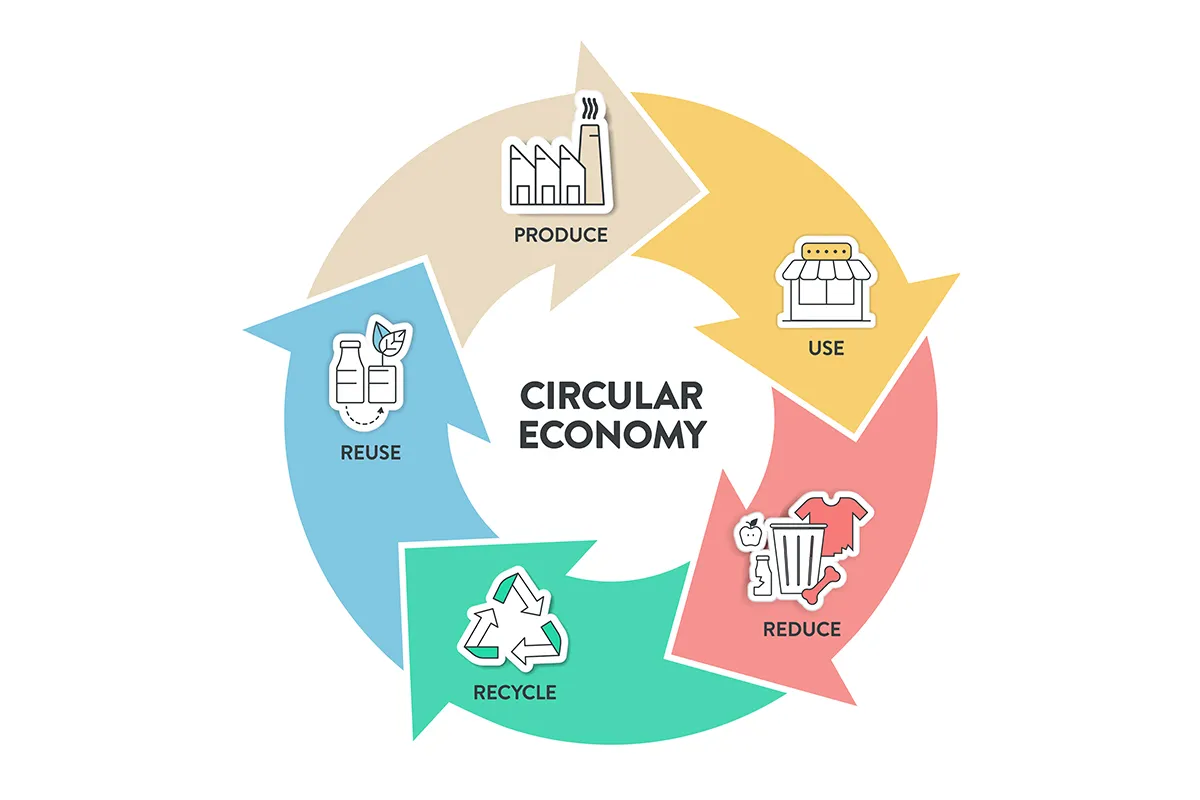
The saying goes that you can only manage what you measure. That is why RecyclePro is once again bringing you figures on the waste sector in every 2024 issue. It is up to you to draw insights from them that can optimise your production process or boost your returns. This time, Statistics Netherlands’ figures show the size of the circular economy in the Netherlands.
A range of approaches and strategies are being used to reduce the economy’s consumption of raw materials and environmental impact, and to drive the transition to a circular economy in the Netherlands. This transition requires investment, but also creates new jobs and contributes to (broad-based) prosperity. The circular economy’s contribution to gross domestic product remains relatively small for now. Its added value has remained stable for two decades at just over 4% of GDP. Repair strategies, and to a lesser extent recycling, are chiefly responsible for this.
Rising employment
Employment is on the rise. Over recent decades, the number of full-time jobs supporting the circular economy has grown from 254,000 to more than 332,000, accounting for over 4% of total employment in the Dutch economy. Repair and recycling strategies also dominate in terms of employment. Specifically, these include industries involved in waste and wastewater processing, resource management, and various forms of repair and maintenance. Smaller strategies such as ‘rethink’ include newspapers offering digital subscriptions instead of print editions, digital music and car hire.
Regional differences
There are significant regional differences. For several years, Statistics Netherlands (CBS) has been mapping the size of the circular economy in the province of Limburg. The figures show that its added value, at just over 3% of GDP, is below the national average. In terms of employment, the circular economy supported around 13,600 full-time jobs in Limburg in 2021, spread across more than 6,000 companies. This represents almost 3% of all jobs in the province. In 2021, waste generation averaged 515 kilos per person per year, above the national average of 504 kilos per person per year.
Question about this story? Ask your question
Keep following this
Get an email when a new story is published. No account needed.
- ThemeCircular business under changing regulations
- SubjectHard numbers