The hard facts
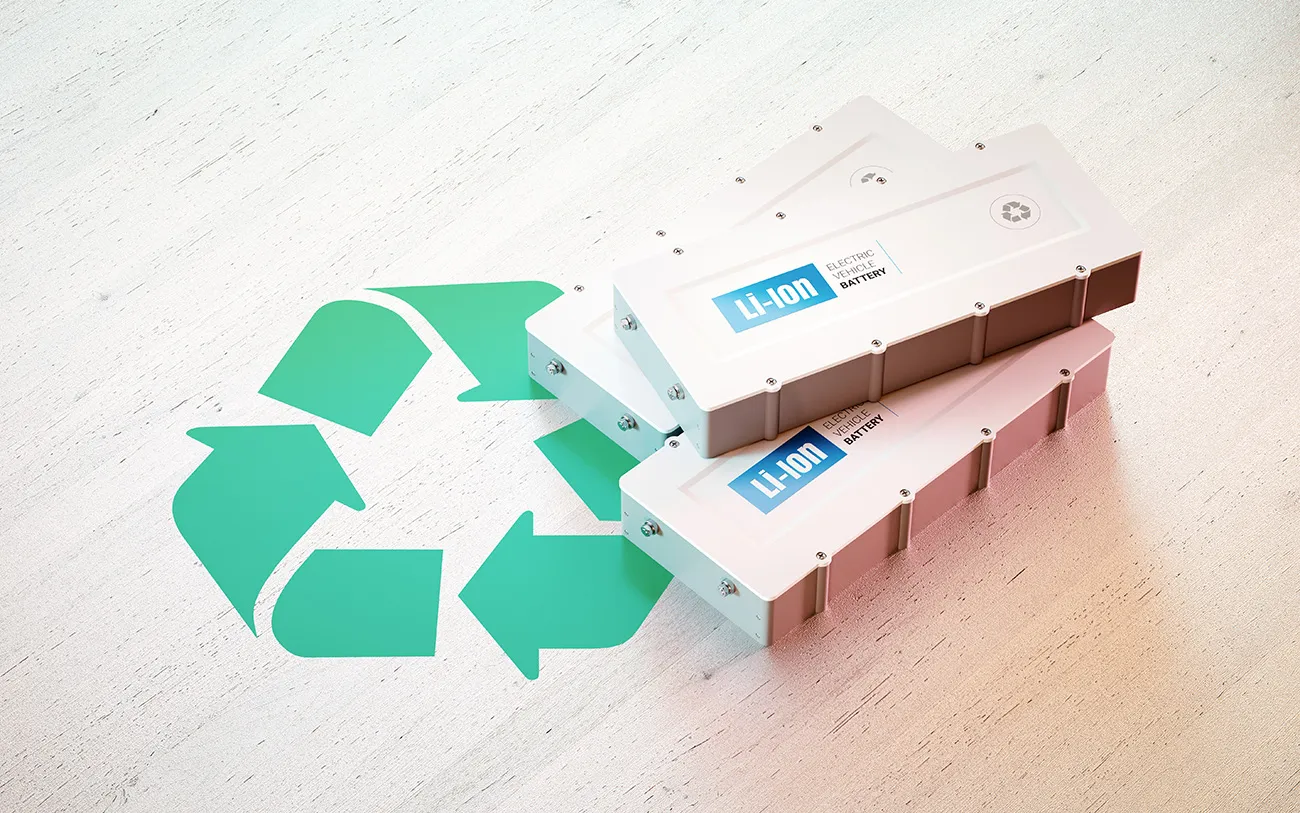
The saying ‘if you can measure it, you can manage it’ holds true. That is why RecyclePro is once again publishing figures on the waste sector in every 2022 issue. It is up to you to draw insights from them that can optimise your production process or increase your returns. Previous issues have already covered how lithium-ion batteries have significantly increased the risk of fire at recycling facilities. France’s national research and safety institute for the prevention of occupational accidents and diseases (INRS) has now put a figure on it: a 25% increase in the risk of fires at sorting centres.
Throughout their entire life cycle, from design to recycling, lithium-ion batteries expose users to various risks. Some are inherent to this type of battery, while others are related to defects and the impact they can have on the battery’s components, including chemical risks and the risk of fire or explosion. These defects are usually due either to manufacturing faults or to incorrect use.
Just 10% recycled in France
In 2019, 77 kt of lithium was produced worldwide. One tonne of lithium can be obtained by recycling 28 tonnes of batteries, extracting 250 tonnes of minerals or extracting 750 tonnes of brine. In 2018, 60% of the lithium available globally was used to produce batteries. Just 5% of this production capacity is located in Europe. In France, 1,405 million batteries and chargers were used in 2018, amounting to 31 kt, a quarter of them rechargeable lithium-ion batteries. At the end of their life, 193 kt of batteries and chargers are actually sent for recycling through separate collection. This means that less than 10% of lithium-ion batteries are recycled. Yet this amount is already enough to increase the risk of fire at sorting centres by 25%.
Question about this story? Ask your question
Keep following this
Get an email when a new story is published. No account needed.
- SubjectHard numbers