Decontaminating and recycling hazardous medical waste
The healthcare sector in the Netherlands has a huge environmental footprint. It is responsible for around 7% of greenhouse gas emissions, 4% of waste and 13% of raw material consumption. That is a significant impact, and the same is true of Flanders, where we face exactly the same challenges. For hazardous medical waste, incineration is currently the only option. Blue2Green Recycling now wants to change that. Early next year, a first facility will start operating to decontaminate and recycle medical waste, helping the healthcare sector reduce its environmental footprint.
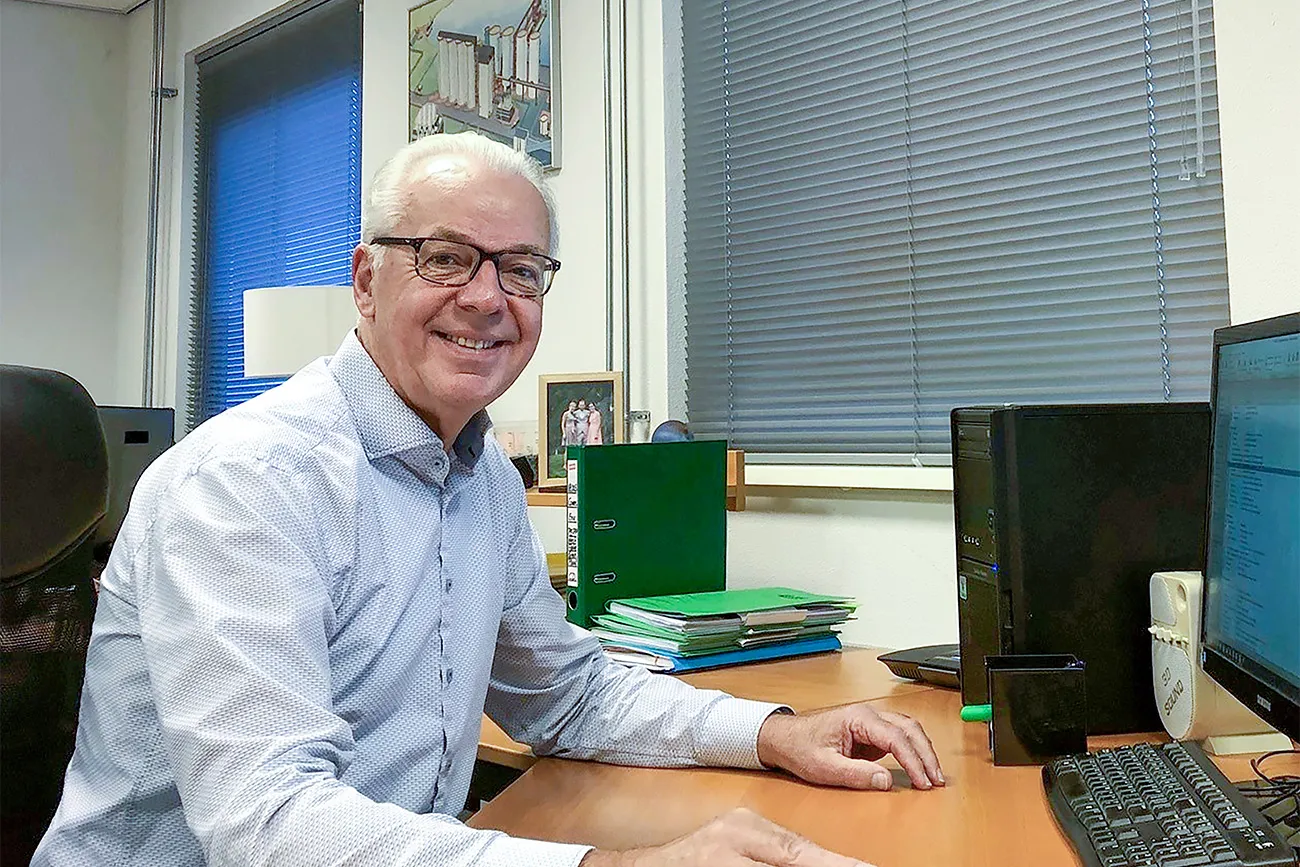
With its Green Deal Working together for sustainable healthcare, the Dutch healthcare sector has set itself highly ambitious targets. By 2030, it aims to cut CO2 emissions by 55% and reduce primary raw material consumption by 50%. “This is a mission they can only achieve by doing something useful with the mountains of hazardous medical waste they are currently sitting on,” says Cees Duijn, managing director of Blue2Green Recycling. The healthcare sector itself is also calling for action, but until now no initiatives have got off the ground.
Knowledge and experience from three companies
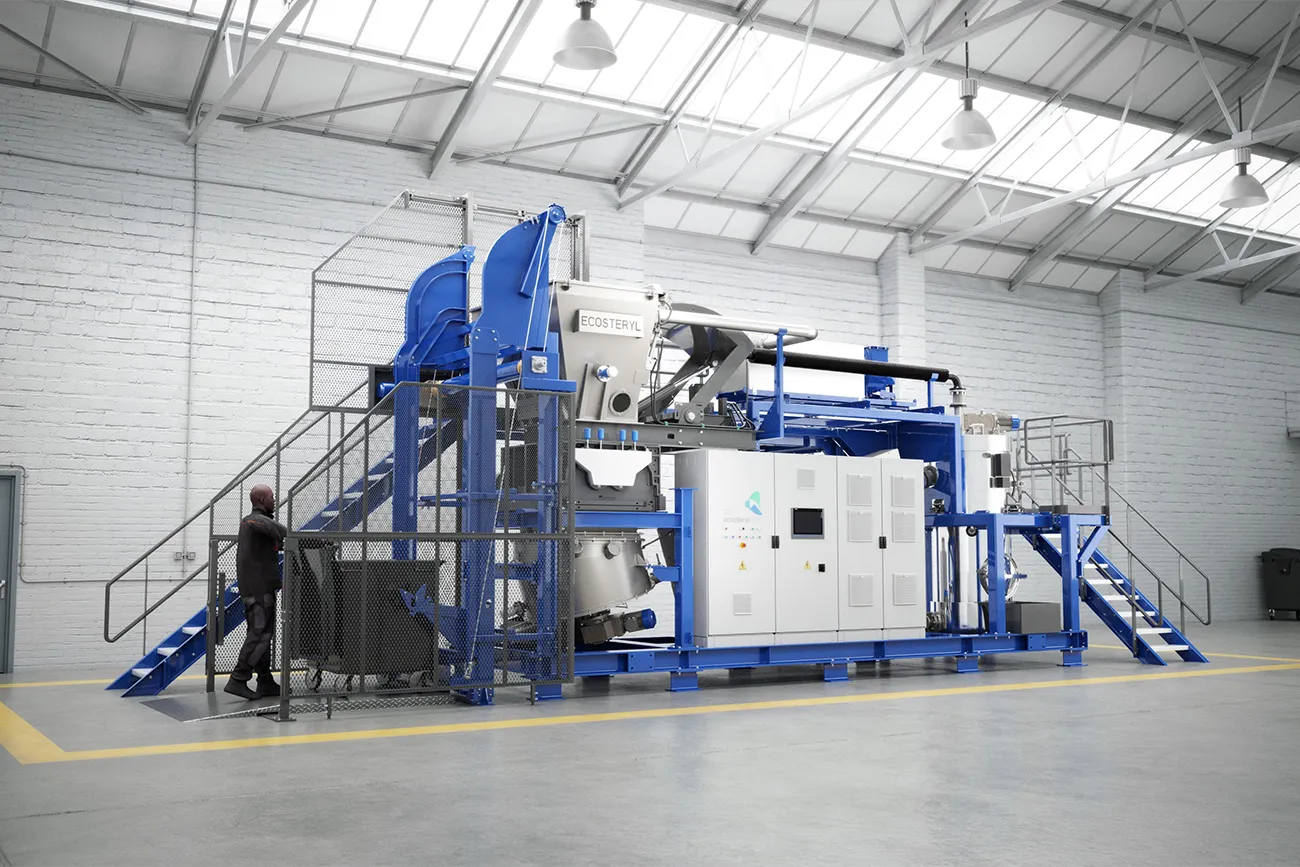
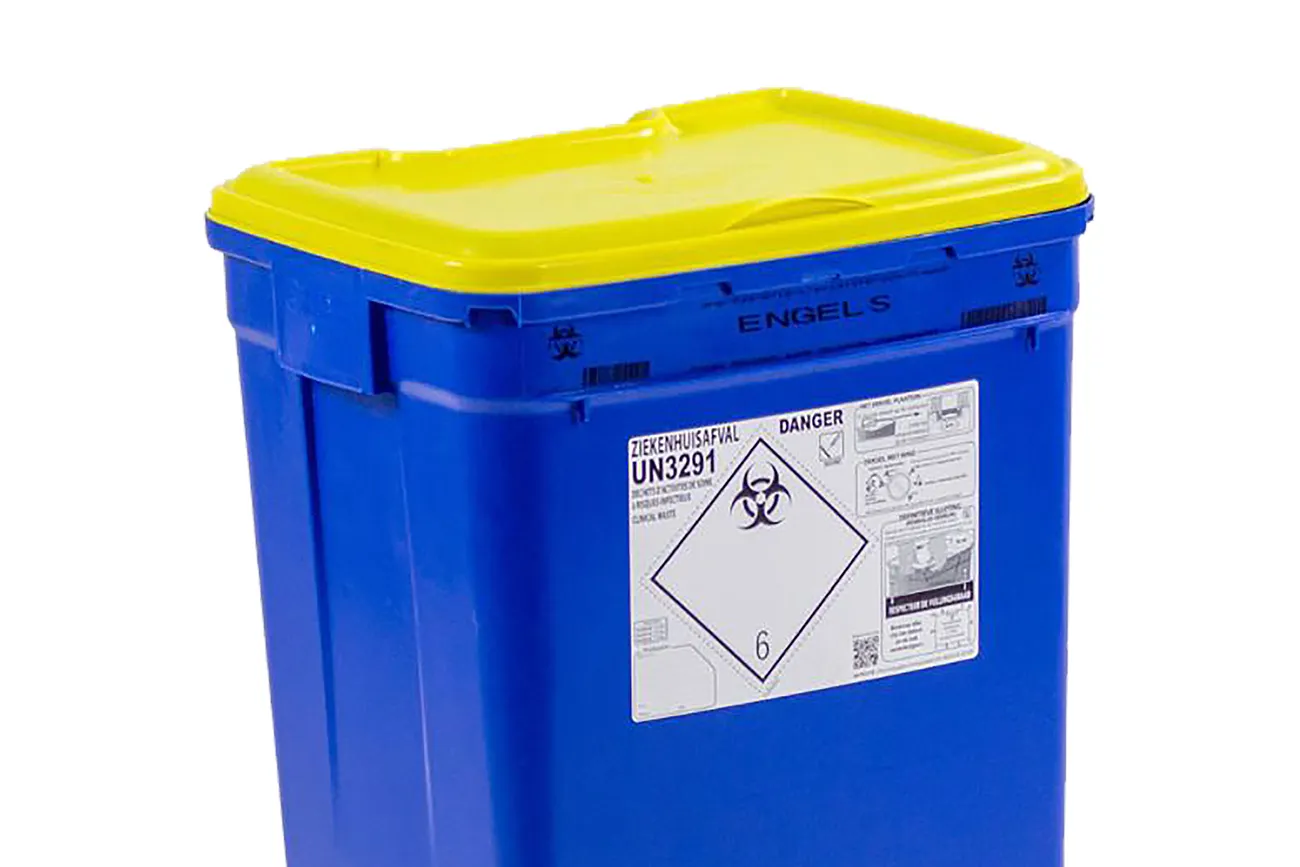
The creation of Blue2Green Recycling is set to change that. Duijn: “The name was chosen for a reason. Hazardous medical waste is currently put into blue containers and sent for incineration. We want to replace that with a more sustainable, greener solution.” The starting point is the decontamination technology developed by Ecosteryl in Bergen, which is distributed in the Netherlands by its sister company Du-Con Trade. The expertise of another sister company, InnoMax, is also being brought in to create a complete solution that not only decontaminates the material but also recycles it, allowing it to be put to useful further use.
3 kilotonnes of CO2 saved per year per platform
Initially, this will be done at five platforms in the Netherlands, giving hospitals and other healthcare institutions a central facility within a 50 km radius to which they can bring their hazardous medical waste. “We will be able to process 3,000 tonnes a year there, which should result in a CO2 reduction of 3 kilotonnes each year. That is a huge gain for the healthcare sector in achieving its ambitions. Unfortunately, it is not possible to close the loop completely. For now, recycled material cannot be used in medical or food applications. But it can still have a useful second life, because these are materials (metals and plastics) that we will badly need,” says Duijn.
Bringing together four innovations
The first platform will be in Velsen-Noord, where four innovations will come together. Duijn: “First, there is Ecosteryl’s technology. These units have a capacity of 250 kg/hour and have already proven themselves in 60 countries. Yet, strangely enough, nowhere in the Benelux. It takes some work to thoroughly examine the legislative framework and meet all the requirements.” The second innovation is InnoMax’s recycling technology. “It will recycle the decontaminated fraction into RDF fluff, ferrous metals, an inert glass and ceramic fraction, and various grades of plastic (PP, PE and PVC). The next steps will be handled by specialist processors, with whom we are entering into partnerships.” The third innovation is the dashboard Blue2Green Recycling will develop, so that each healthcare institution can see exactly how much waste it has delivered and how much CO2 this saves. “Finally, we will also eliminate odour nuisance by using non-thermal plasma. That is our fourth innovation.”
Up and running next year
The plan is to start operating in the first quarter of 2024 and further fine-tune the process, so that the facility is running at full capacity by the middle of next year. In the meantime, Blue2Green Recycling will also have started building a second platform, in West Brabant. “This is being driven by the positive energy coming from the healthcare sector. Although our technology currently costs more than incineration, the CO2 savings it can deliver are a huge incentive. We want to become the standard solution for hazardous medical waste, so that incineration is only needed in exceptional cases. Initially in the Netherlands, but we hope to open this up to Belgian healthcare institutions too,” says Duijn.
Question about this story? Ask your question
Keep following this
Get an email when a new story is published. No account needed.
- ThemeMaking use of textiles and other waste streams
- SubjectMedical waste