“Recycling means getting everything out of it”
Text Vereniging Afvalbedrijven
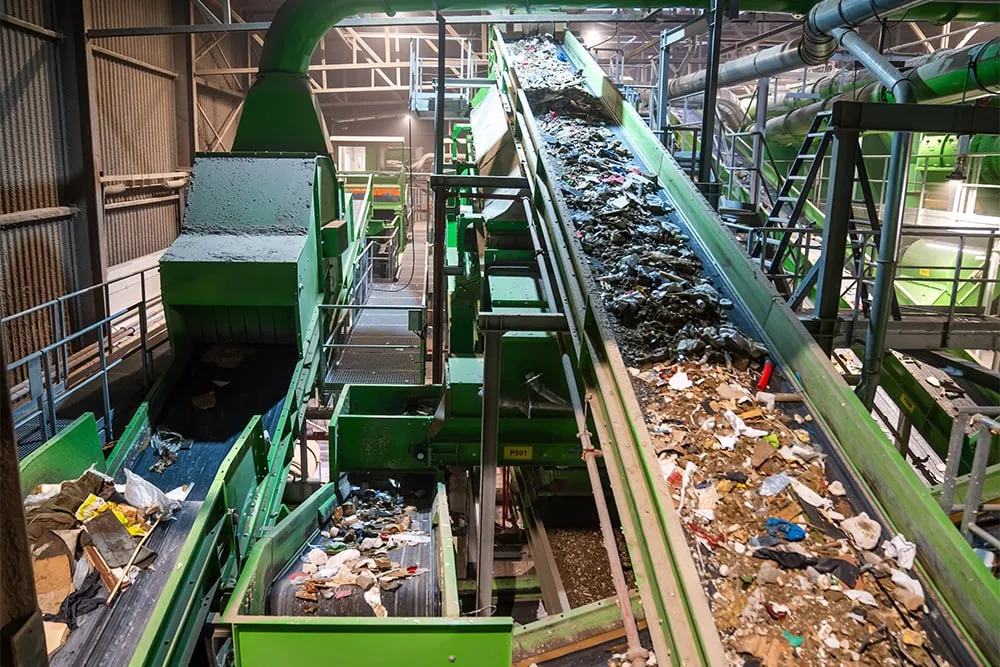
By 2050, the Dutch economy must be fully circular. That is the aim set out in the National Circular Economy Programme. The interim target for 2030 is to halve the use of primary raw materials. The Vereniging Afvalbedrijven embraces this level of ambition, and our members are working hard to help achieve it, while remaining realistic. “100% circularity is not achievable,” says the Vereniging Afvalbedrijven. “There are ‘historic stockpiles’ of waste that will have to be processed at some point, and sorting and recycling also generate residual streams that can no longer be recycled. Waste-to-energy plants and landfill sites therefore remain indispensable links in the recycling and waste infrastructure.”
The focus must now shift to the start of the production chain. To get the circular economy off the ground, major steps must be taken, particularly at the source. We need to design, produce and consume products differently, and sometimes less. Reuse and recycling are indispensable. The essence is to give products and raw materials a new lease of life after use, rather than discarding them. The circular ambition fits the recycling sector like a glove. The key challenge is to recycle raw materials to the highest possible standard: getting everything out of them.
The importance of recycling
1. Recycling contributes to climate and recycling targets
2. Recycling reduces the use of primary raw materials, such as crude oil, aluminium and rare metals
3. Recycling reduces environmental impact
4. Recycling reduces the amount of residual waste
5. Recycling creates opportunities for innovation, the knowledge economy and employment
6. Recycling gives the waste industry an economic boost
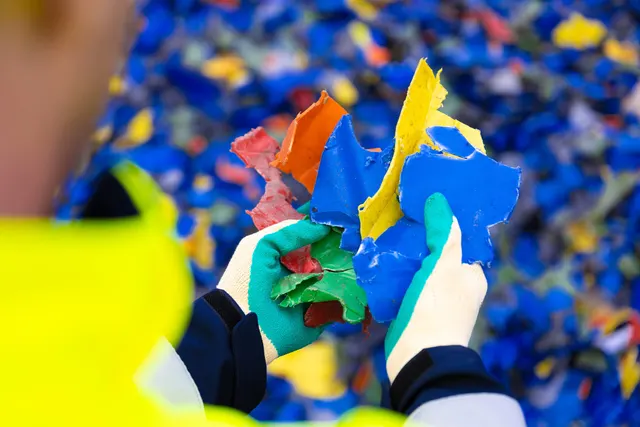
We are making good progress. In the Netherlands, we recycle almost 80% of all waste, putting us at the forefront of Europe. It is an achievement we can be proud of. Collected plastic is turned into new packaging and high-quality products, construction and demolition waste replaces sand and gravel, old textiles are used as filling in car seats, garden and food waste is turned into quality potting compost, and used aluminium is remelted to make components for new laptops.
Recording product data
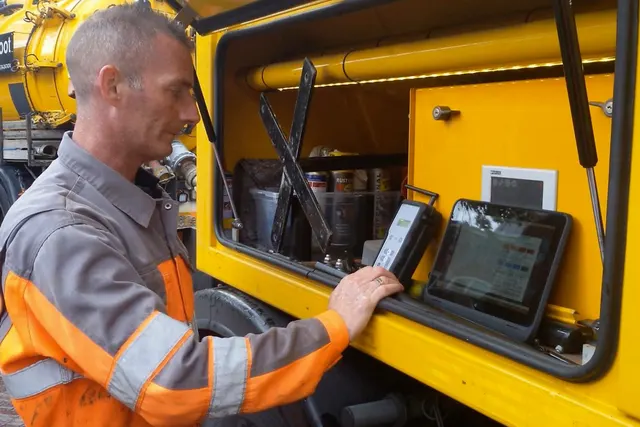
In the future, digitalisation, smart sensors, data management and artificial intelligence will play an increasingly important role in the circular economy. 10R strategies, such as reduce, reuse and repair, provide a guide for circular business practices. These strategies require data about a product to be recorded and shared throughout its entire life cycle. This includes data on the raw materials used, technical specifications, the origin of the raw materials, production methods, quality information, the carbon footprint and how the product can be repaired and reused, as well as any substances of very high concern used in the product. If a product is returned for repair, for example, it is important to know exactly what kind of product it is so that its components can be repaired.
Residual waste remains
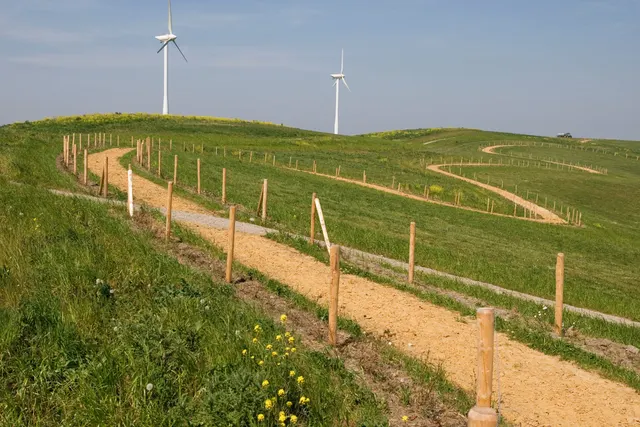
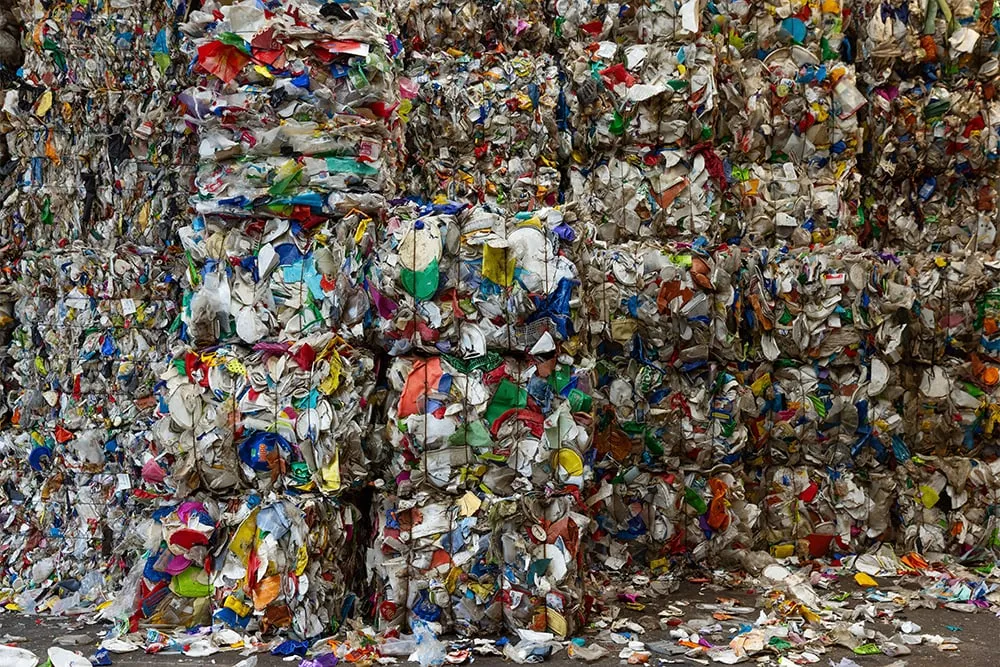
The future of the circular economy is digital, and we will become increasingly successful at repair, reuse and recycling. The proportion of residual waste will fall, but it will not disappear entirely. In the Netherlands, we process it responsibly and safely. Residual materials that cannot be recycled are generated not only by households and businesses, but also during sorting and recycling. We recover as much energy and material as possible from this residual stream. Waste-to-energy plants generate renewable energy from it, recover valuable materials such as metals, and process the remaining mineral bottom ash into clean construction materials. More prevention, sustainable design, reuse and recycling will reduce the amount of residual material in the future. The residual waste that remains is processed by waste-to-energy plants, while waste that cannot be incinerated is stored safely and responsibly at landfill sites.
Question about this story? Ask your question
Keep following this
Get an email when a new story is published. No account needed.
- ThemeCircular business under changing regulations
- SubjectVereniging Afvalbedrijven