Plastic recycling needs a step change in quality
A circular economy calls for a greater focus on quality. Waste separation only pays off when the material is actually recycled, ideally to the highest possible standard. How good is the quality of plastic packaging waste?
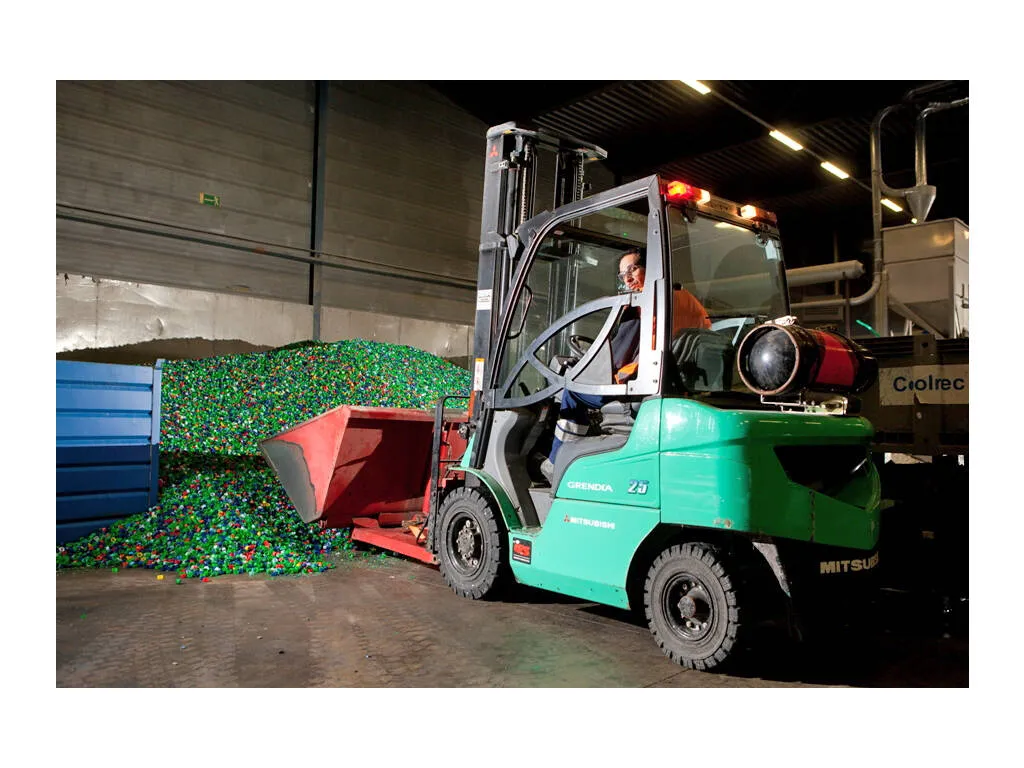
Plastic collection received a major boost with the introduction of PMD collection, the combined collection of plastic packaging, metal packaging and beverage cartons. However, the increase in volume led to a decline in material quality, hampering recyclability. Around 30 per cent of all packaging placed on the market is actually recycled. Almost 40 per cent of the sorted material ends up in the mixed stream, which has few high-value applications. Single-polymer streams, including PET, PP and PE, are easier to market.
All sorting plants have seen the quality of their input streams decline. The sector believes municipal waste policy focuses too heavily on reducing the amount of residual waste and on collection volumes. Quality and quantity need to be brought into better balance. Consumers need to be made more aware that household waste collection schemes are for packaging only. Large sheets of film, plastic netting and videotapes do not belong in the collected material. They cause blockages in sorting plants.
Reward schemes for municipalities and sorting companies should offer greater incentives for quality. Specifications should also be better aligned with market demand. The market wants high-quality raw materials, sufficient economies of scale and competitive prices. A boost in demand for recyclate is urgently needed. This requires the development of new markets, which can be found in the higher-quality segment.
There is also a huge opportunity for improvement at the start of the chain, in packaging design. Around 30 per cent of plastic packaging is not recyclable at all. Packaging made from different materials also creates major recycling problems. The waste sector is calling on producers and designers to put plastic packaging on the market that can be recycled effectively.
Information duty for Substances of Very High Concern in waste
Everyone agrees that Substances of Very High Concern (SVHCs) need attention. But who should be responsible for providing information on SVHCs? The national government looks to waste companies, while the waste sector points to producers and waste suppliers.
The list of substances that are highly harmful to people, animals and the environment continues to grow. More than 1,600 different SVHCs have now been identified. For many substances, it is not yet known whether, or to what extent, they are present in waste. The government wants to gain greater control over SVHCs. The question, however, is whether the recipient of waste can be held responsible for providing information on SVHCs.
The government believes that waste companies are best placed to do this. According to the Ministry of Infrastructure and Water Management, waste processors can determine what information they need from waste suppliers because they know their installations and which substances are broken down or removed during processing. The government also applies the ‘polluter pays’ principle: the waste supplier bears the cost of analyses.
The proposed approach is causing concern in the waste sector. Waste streams are complex mixtures and heterogeneous. Waste companies do not know exactly which SVHCs they receive. Testing waste streams for every SVHC would make operations prohibitively expensive and unworkable. Environmental agencies also create regional disparities. Their approach to SVHCs varies from one agency to another. The sector fears high analysis costs, delays to processing and the possibility of the competent authority intervening at any time.
The focus needs to shift to the entire chain, and particularly to producers. “First, we need to turn off the tap so that no new SVHCs enter circulation. Otherwise, we will be mopping up with the tap still running,” says Peter Louwman, vice-chair of Vereniging Afvalbedrijven. He advocates a form of producer responsibility for SVHCs, including substances already in circulation. “Make producers responsible for SVHCs, for example through a fund and a track&trace system that can track SVHCs through the chain.”
Taxonomy excludes thermal waste treatment with energy recovery
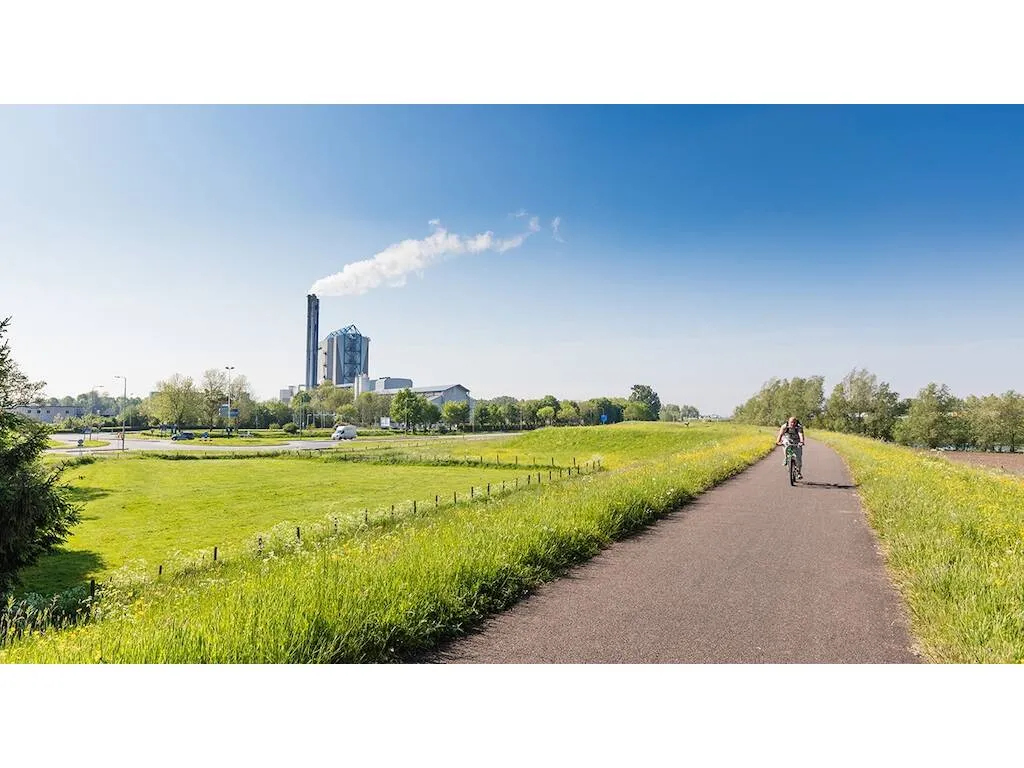
Waste-to-energy plants (AECs) risk being excluded from the European Taxonomy Regulation. This new regulation, which applies throughout the European Union, organises and classifies economic activities according to their sustainability. Its aim is to provide clarity for sustainable investors. The waste sector is not prepared to accept the exclusion of AECs without a fight. Without the ‘sustainable’ label, it will be difficult to secure investment for new AECs, which would lead to more waste being landfilled in Europe. This is bad news for the circular economy and the climate, and would mean a substantial increase in greenhouse gas emissions.
The sector is calling for an integrated approach so that the circular economy’s objectives are not jeopardised. Recycling and incineration are inextricably linked. Sorting, processing and recycling always leave a residual fraction, and higher-quality recycling generates more residual streams. In addition, there are substances we do not want returned to the loop, such as Substances of Very High Concern and products from the past containing harmful substances that are now reaching the end of their life. Treatment of these streams in AECs is the appropriate route. European umbrella organisations are pressing for AECs to be given a place in the Taxonomy Regulation after all.
Waste Heroes Week 2022
From 28 February to 4 March 2022, employees in the waste sector will be celebrated. The sector is essential to keeping society running. A key role is played by all the men and women who do the work on the ground. They deserve recognition and to feel proud. They are our Heroes, with a capital H, and they are at the heart of Waste Heroes Week, organised by NVRD, Vereniging Afvalbedrijven and O&O Fonds GEO. • www.weekvandeafvalhelden.nl
About Vereniging Afvalbedrijven
Vereniging Afvalbedrijven represents the interests of companies active across the entire waste chain. By connecting interests and stakeholders throughout the chain, Vereniging Afvalbedrijven is an important partner in the transition to a circular economy. It promotes this transition, with closing material loops and recovering materials, raw materials and energy at its heart. Vereniging Afvalbedrijven engages with government bodies and other organisations. In terms of turnover and waste volumes, the trade association represents around two-thirds of the Dutch waste market.
More information about Vereniging Afvalbedrijven and its activities is available at www.verenigingafvalbedrijven.nl. Our 2020 Annual Report can be found on the homepage. Much of the work carried out over the past year was related to the outbreak of the coronavirus pandemic. “I am very proud of all the men and women in our sector who ensured that work continued,” says chair Boris van der Ham in the foreword. Vereniging Afvalbedrijven also continued to champion the transition to a circular economy. The 2020 Annual Report highlights a number of activities, including the focus on the quality of collected waste streams to optimise recycling and encourage the sale of recycled materials. It also looks at the climate benefits the sector can deliver through more and cleaner recycling, and through capturing and utilising CO2.

Question about this story? Ask your question
Keep following this
Get an email when a new story is published. No account needed.
- ThemeMaking plastics and packaging circular
- SubjectVereniging Afvalbedrijven