“Electric, hybrid or conventionally sustainable”
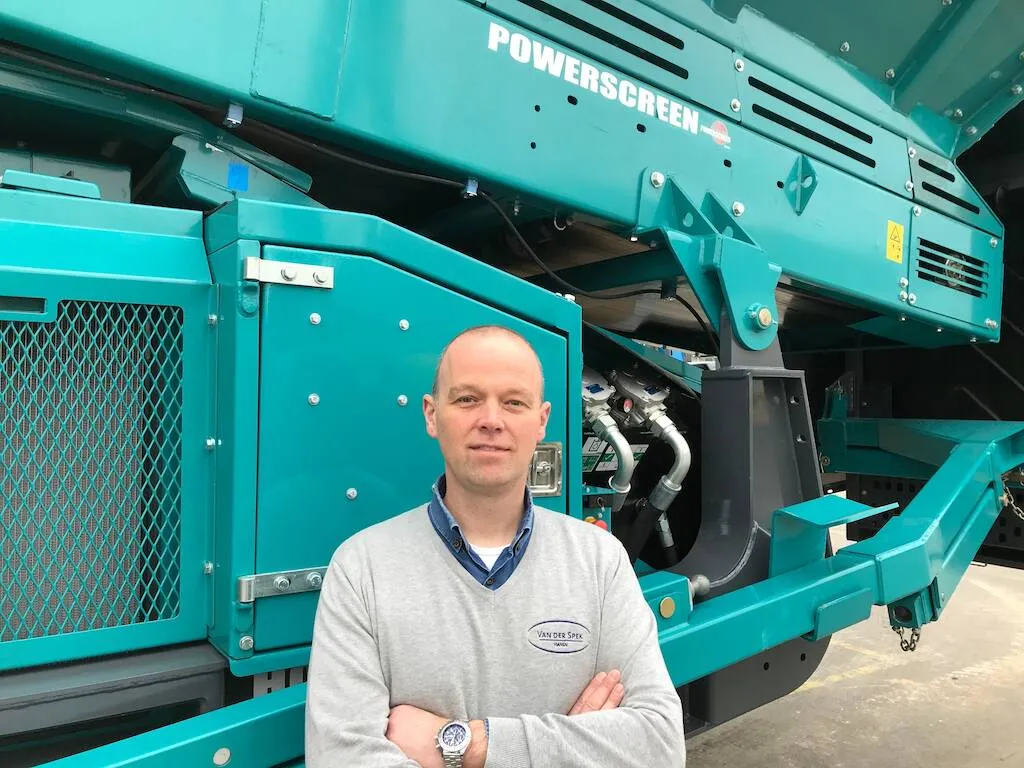
This year is flying by. The summer holidays are already some way behind us, and autumn is setting in. Although coronavirus has continued to hold us in its grip for much of this year, things seem to be moving in the right direction.
We are moving FORWARD again, so that things can return to how they were, although, of course, some things will never be quite the same.
This could mean working from home more when possible, having fewer face-to-face meetings and simply starting a Teams meeting instead. This means we travel fewer kilometres and are therefore immediately being more sustainable. That brings me neatly to the subject of this instalment: electric, hybrid or conventionally sustainable. These terms come up very regularly nowadays, and are almost impossible to ignore when considering new investments in machinery and equipment. Machinery and equipment investments often involve many choices when it comes to the specification and options needed to carry out the work as effectively as possible. Alongside these choices, it is essential to consider which powertrain will suit the machinery and the work to be done. Simply opting for hybrid and/or electric because it sounds good is certainly not advisable.
Whereas a few years ago diesel was the only standard powertrain available, there are now many ways to power a machine as effectively and efficiently as possible. Today's diesel engines are generally built to Stage V emissions standards, which ensure emissions are kept as low as possible. Using synthetic diesel such as HVO 100 reduces them even further. Always check with your supplier what is possible and permitted to avoid damage.
Of course, at many sites and for many types of work, it makes a great deal of sense and is desirable to power machinery using hybrid or electric drive as well as diesel. Combining these options can bring further benefits. It is worth checking what is possible for the machinery and what power connections can be installed.
We see dual-power hybrid drive proving highly attractive for many Powerscreen screening machines and Telestack mobile conveyors, and it is therefore a popular investment. As the name suggests, the machine can be powered either by its Stage V diesel engine or electrically when a power supply is available. Regardless of the power source, the machine can operate at its best and most sustainably when connected to a power supply.
Fully electric drive is becoming increasingly common in Fuchs material handlers, which are available on either wheels or tracks despite their electric drive. An optional cable reel keeps the power cable neatly wound up, and, when necessary, the machines can even be moved from site to site using a powerpack. As you can see, there are many options. My advice is to discuss them carefully with your supplier to establish the best solution for your application. It needs to be practical and justify the investment, as well as sound good.
I would also like to end this instalment with the following message: stay healthy, and let’s take the right steps to move FORWARD.
Question about this story? Ask your question
Keep following this
Get an email when a new story is published. No account needed.
- SubjectSections