Transforming waste management: from problem to solution
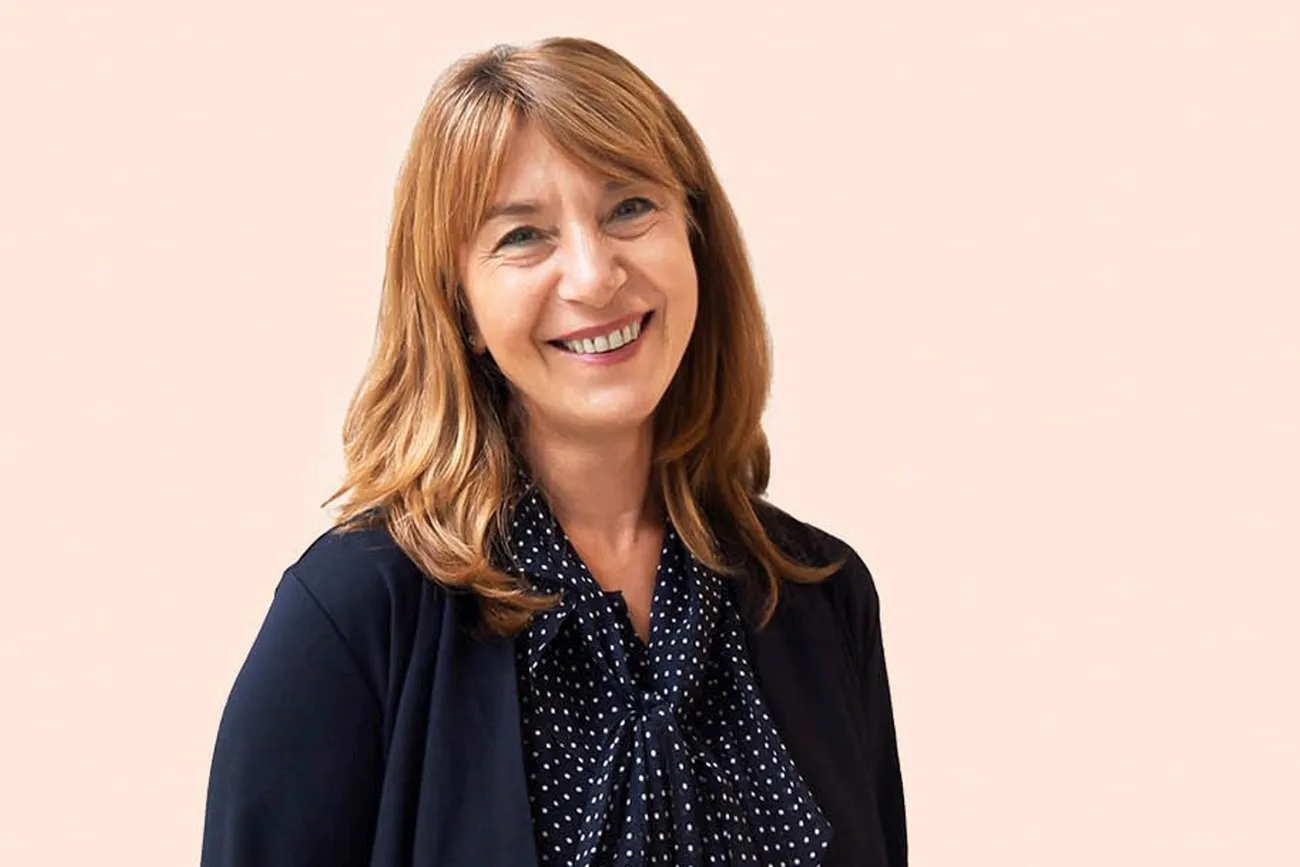
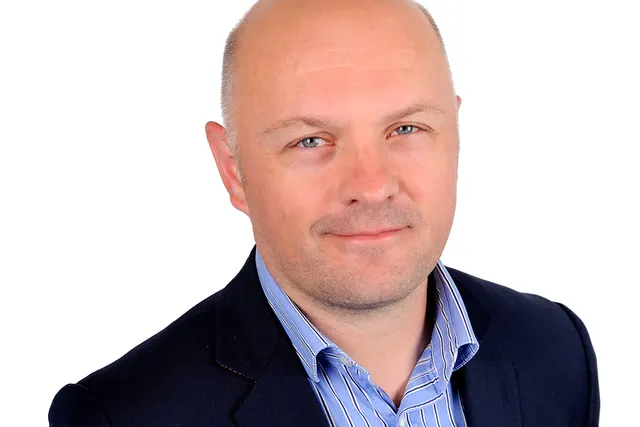
Claudia Mensi, President of FEAD
The global waste crisis is growing ever more acute. But instead of seeing it as a problem, we should view it as an opportunity for sustainable growth and progress. Waste management is no longer the challenge, but the solution to achieving a more sustainable future.
Europe is taking a leading role with various initiatives, including the Critical Raw Materials Act, Green Taxonomy, the revision of the Waste Shipment Directive and the regulation of chemicals. However, to achieve a circular economy through recycling, all stakeholders across the value chain must play an active part, and cooperation between Member States will be essential to develop innovative solutions that can be implemented across the continent. Despite the progress already made, the industry still faces several challenges in making the most of these opportunities. Investment in new technology is needed, infrastructure for the separate collection and recycling of waste remains inadequate, and market demand for recycled materials is still too limited. Public awareness and efforts to reduce waste and increase recycling must therefore be stepped up.
The industry must therefore have a voice in policy debates. This is the role FEAD, the European Federation of Waste Management, aims to play. With representation in 18 countries in Europe, including Norway and the United Kingdom, we are the voice that bridges the gap between the industry’s needs and policymaking. But it is not all about policymakers and industry leaders. Everyone can and must play their part in building a more sustainable future. Stimulating demand for recycled materials, for example, can encourage companies to invest in recycling infrastructure and create a sustainable market for recycled products. By embracing the principles of a circular economy and putting them into practice through sustainable resource management, we can reduce waste, create new jobs and secure a more sustainable and prosperous future for Europe and the rest of the world.
We must therefore shift our focus away from the linear throwaway model we know towards a circular, regenerative model in which waste is transformed into new raw materials. Europe has already taken steps to recognise the importance of this transition to a circular economy and the role that waste-to-energy technology can play in it. By converting non-recyclable waste into electricity or heat, we can further reduce our dependence on fossil fuels and promote a more sustainable energy mix. The waste management industry therefore has the potential to be a key player in the circular economy. By supplying industry with secondary raw materials and chemical building blocks from our operations, our sector can significantly reduce the risk of supply disruptions.
By recognising waste as a valuable resource that can be used multiple times, we are building a more sustainable future for ourselves and the generations to come. The time has come to seize these opportunities and transform waste management from a challenge into a solution.
Question about this story? Ask your question
Keep following this
Get an email when a new story is published. No account needed.
- SubjectSections