












Why we need wood waste incineration plants
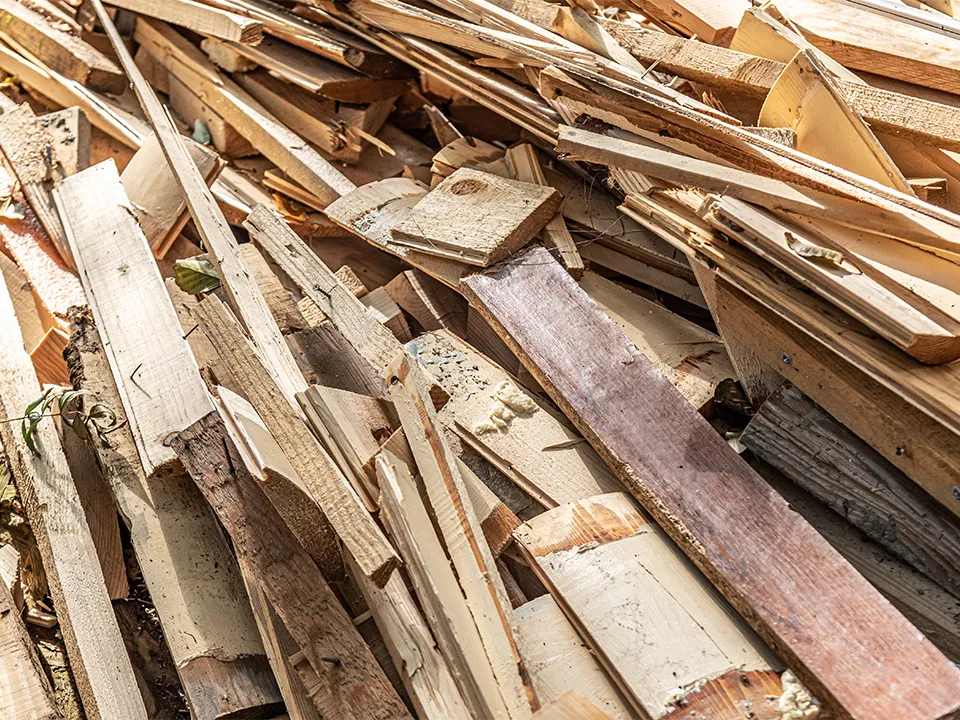
Flanders is committed to reducing the capacity of its incineration plants, at least for residual waste. For what is known as B-grade wood, the trend is moving in the opposite direction.
New initiatives are emerging all over the country. A&U’s power plant in Vielsalm, BEE in the port of Ghent, E-Wood in Doel and Biostoom in Beringen are all working with wood waste. This is a positive development, helping to find a sustainable solution for the surplus of non-recyclable wood waste.
The Flemish government urges both households and businesses to recycle as much as possible. And it is paying off. The mountain of residual waste is shrinking, while the volumes of separately collected, still recyclable materials are growing. Wood is one such fraction collected separately. In 2020, the supply of wood waste amounted to an impressive 1,203,000 tonnes. Of this, 575,000 tonnes came from businesses active in the primary sector, such as joinery and furniture-making companies. Households accounted for 246,000 tonnes. A further 382,000 tonnes of wood came from other businesses. The priority is to recycle as much of this material as possible. But this applies mainly to A-grade wood, which accounts for around half of the total, or about 600,000 tonnes. This is used mainly to make particleboard. Particleboard can contain 50 to 90% recycled post-consumer wood waste. The remaining wood is too contaminated, for example by heavy metals or paint residues, or is not of sufficient quality, such as particleboard, MDF and OSB, to be used for this purpose.
New initiatives
Until recently, however, there were few outlets for B-grade wood. Some of the incineration plants that handled this stream had reached the end of their useful lives and could no longer meet current environmental standards. Supply continued to increase, but businesses had virtually nowhere to take it in Flanders, putting considerable downward pressure on prices. As a result, much of the waste wood is now being sent abroad. But to bring the entire wood waste recycling chain under control, additional incineration capacity for B-grade wood was needed. Several initiatives followed, across Flanders and even in Wallonia. Flanders now has permitted capacity of 1,470,000 for energy recovery, mainly in the form of renewable heat, but also electricity. Once operational in the coming years, these plants will be able to process more than just Flemish wood waste. There are also plans to bring wood waste here from neighbouring countries.
Incineration with energy recovery is crucial to the recycling story
The arrival of more incineration plants is by no means a blow to wood recycling. Quite the contrary. No matter how well we recycle today, there will always be residual material that cannot be processed further. By providing sufficient capacity for incineration with energy recovery, this material can nevertheless be given a second life. In return, we get renewable heat and electricity, which means we do not have to turn to fossil fuels or nuclear energy.
The Ghent Heat Plant
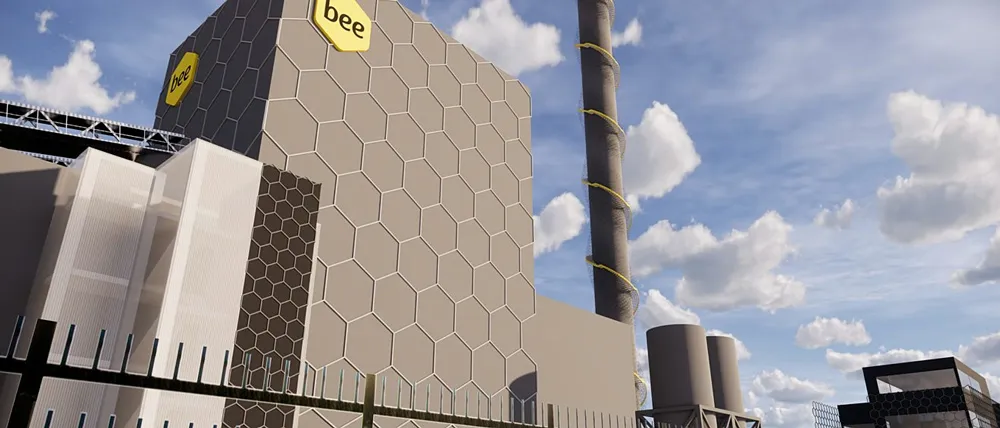
One of the initiatives to build a new wood waste energy plant comes from BEE. A renewable heat plant will be built at the Ghent Coal Terminal site. It will process around 150,000 tonnes of waste wood a year, most of which will arrive by inland vessel from recycling centres and the demolition of old homes. The plant will generate 20 MWh of renewable electricity, equivalent to the annual consumption of 50,000 households, and supply renewable electricity and heat to industrial customers in the area via a heat and steam network.
Question about this story? Ask your question
Keep following this
Get an email when a new story is published. No account needed.
- ThemeCircular construction and demolition
- SubjectNews







