












What is changing in dismantling and depollution?
Text Valérie CouplezImage iStock
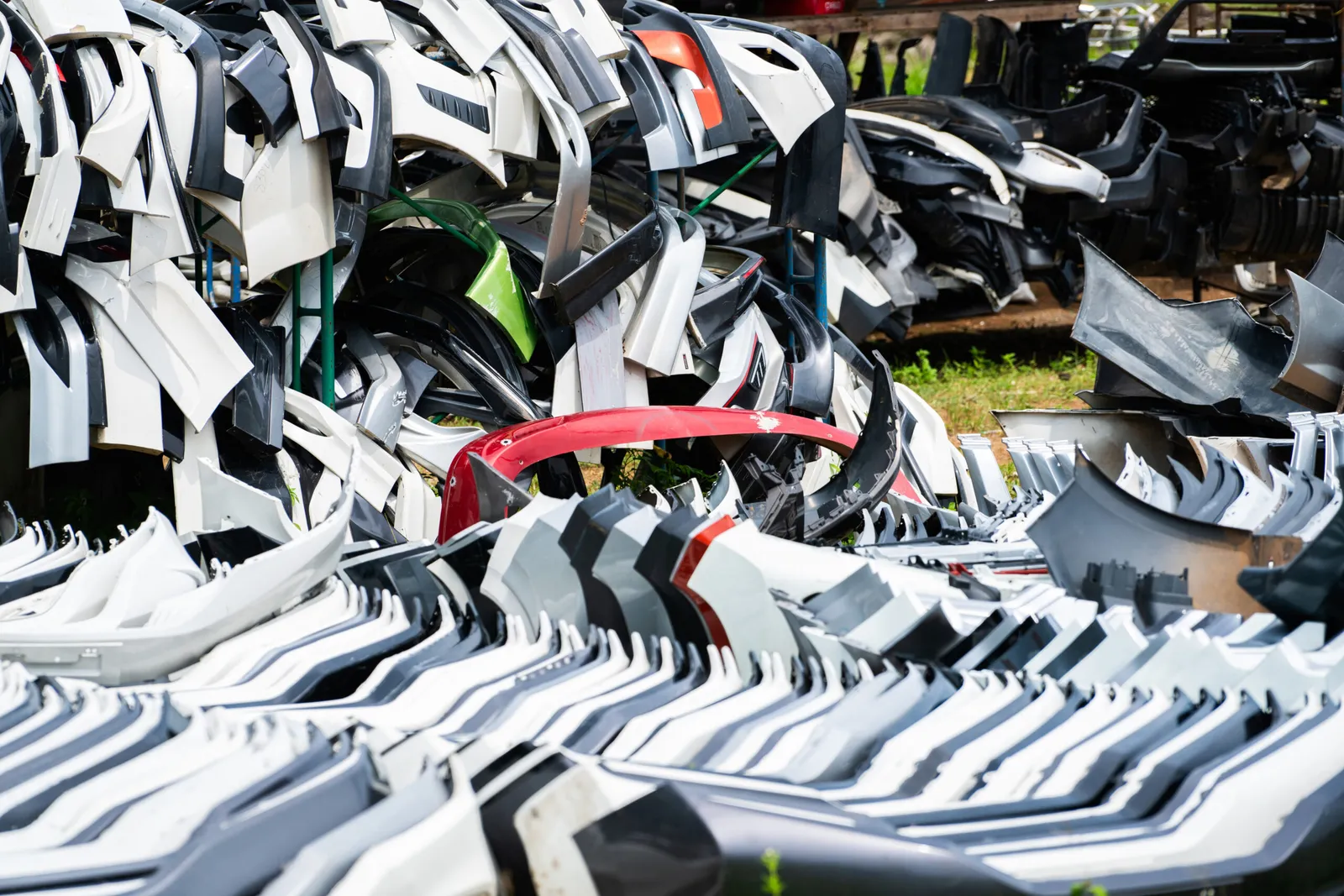
Another important aspect of the ELV Regulation for recycling companies is what the legislator requires in relation to dismantling end-of-life vehicles. The final verdict is likely to be met with mixed feelings across the sector. Some companies are already equipped to comply with the new rules, while others will need to invest. Glass removal in particular will remain a sticking point. However, we will have to wait for the final details of the legislation to see how things will work in practice.
The European authorities are also imposing requirements for the depollution and dismantling of end-of-life vehicles. These will take effect six years after the Regulation is formally approved. According to Europe, this should give the sector sufficient time to prepare. We can be brief on depollution: for Belgian and Dutch recycling companies, there is nothing new under the sun. Working practices can remain unchanged under the new European rules.
Expanded dismantling requirements
We will, however, need to adapt to the requirements to remove certain components manually or semi-automatically. They can no longer simply go through the shredder, however effective the post-shredder technology used may be. The biggest change undoubtedly concerns glass. According to the final texts, 70% of the glass present must be removed separately. However, the rules leave room for exceptions if dismantling proves technically or economically unfeasible. So there is still room for speculation. We will need to work with the authorities to identify what works well and where adjustments are needed. Other items on the dismantling list include automotive batteries, portable batteries and catalytic converters. These are already removed in the Low Countries because of their remaining economic value. Tyres and bumpers are also on the list. The rules for readily available information systems, on the other hand, are less clearly defined. We will have to wait and see how these are specified in practice. The fact is that recyclers bear 88% of the costs of dismantling vehicles. More manual operations could drive these costs up, while undermining the investments already made in post-shredder technology to improve quality. Hopefully, Europe will take this into account when drawing up its secondary legislation.
Quality of recycled material
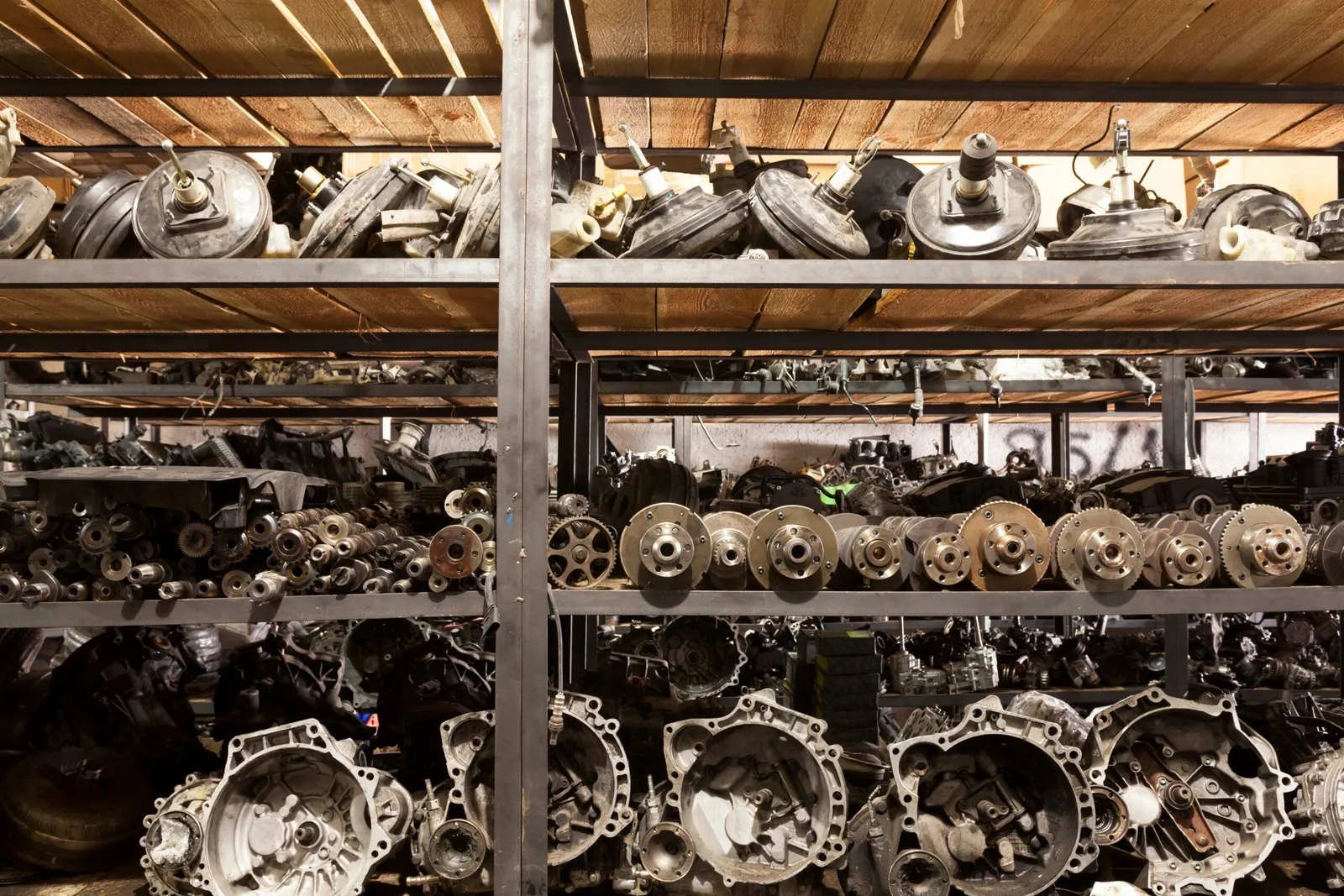
In addition, the ELV Regulation imposes further requirements on the quality of recycled steel and aluminium, the material that comes out of the shredder. Particular attention is paid to the presence of copper, with permitted levels set quite low. Aluminium is also expected to be sorted into different alloys. This goes far beyond what processors typically do today. Will they have to adapt their entire facilities specifically for the automotive industry to meet these stricter requirements? It remains to be seen how the market will evolve. Europe will also draw up action plans for steel and aluminium. How these will align with this legislation remains to be seen. Finally, the EU imposes a number of requirements on the final residue left in the shredder. But that, too, is unlikely to require much, if any, adjustment in this region.
Conclusion
In practice, circular recovery programmes involve much more than simply reporting recycling results. Products first have to be bought back, collected and transported to recovery facilities. Components are dismantled, materials are separated, and recycling partners turn them into secondary raw materials that may be fed back into supply chains. This process involves multiple partners, from logistics providers to dismantling facilities and specialist recyclers. Coordinating these activities while documenting chain-of-custody events, material transformations and recovered volumes is essential to demonstrating circular performance.
Question about this story? Ask your question
Keep following this
Get an email when a new story is published. No account needed.
- ThemeCircular processing of electronics and batteries
- SubjectNews







