












“We weren’t brought down, we were dragged down by bureaucracy”
Text Valérie CouplezImage Vinylrecycling
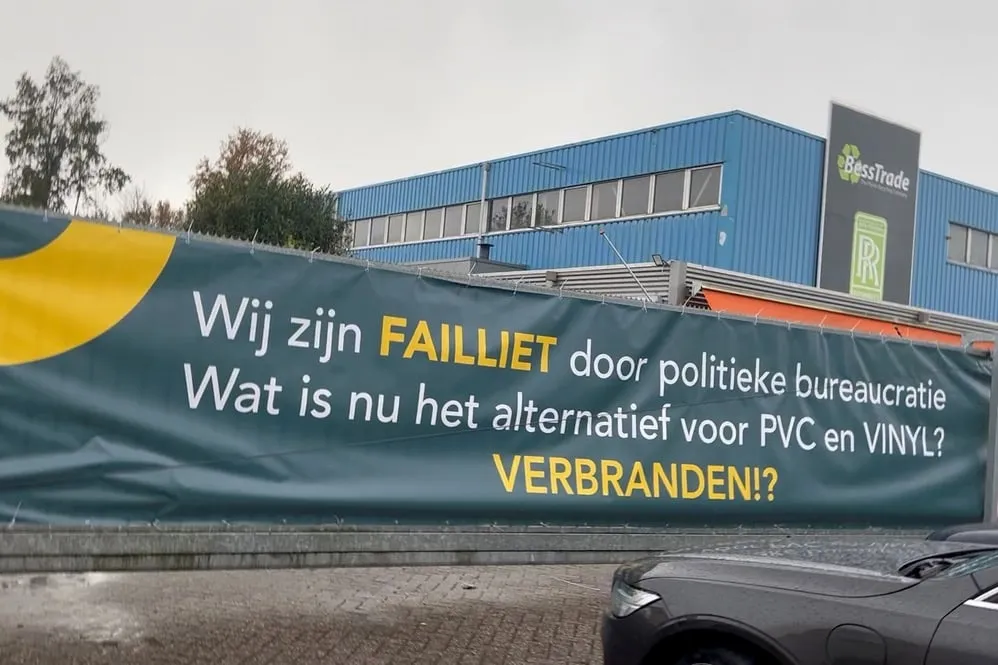
The plastics recycling sector is struggling. Seven Dutch plastics companies went bust in 2024. They all cite the same reason: the market is being flooded with rock-bottom-priced virgin plastic from America and recycled plastic from China. Vinylrecycling is an exception to that story. “We weren’t brought down, we were dragged down by bureaucracy”, says founder Ivo Besselsen. A recent ruling by the Council of State has now partly vindicated him.
Vinylrecycling, based in Lelystad, is a family business with a tradition spanning more than fifty years. Back in 1973, Ivo Besselsen began trading PVC production waste with Taiwan. There, it was immediately put to use again as a raw material for new PVC products. True pioneers in recycling, then. And a success story that was replicated in other markets, where demand for recycled PVC was strong. Demand is lower here in Europe, where PVC has to contend with a crusade against it. Although PVC comes in hundreds of types with different properties, they are wrongly tarred with the same brush as types covered by REACH legislation on hazardous substances. A crying shame.
20,000 to 25,000 tonnes a year
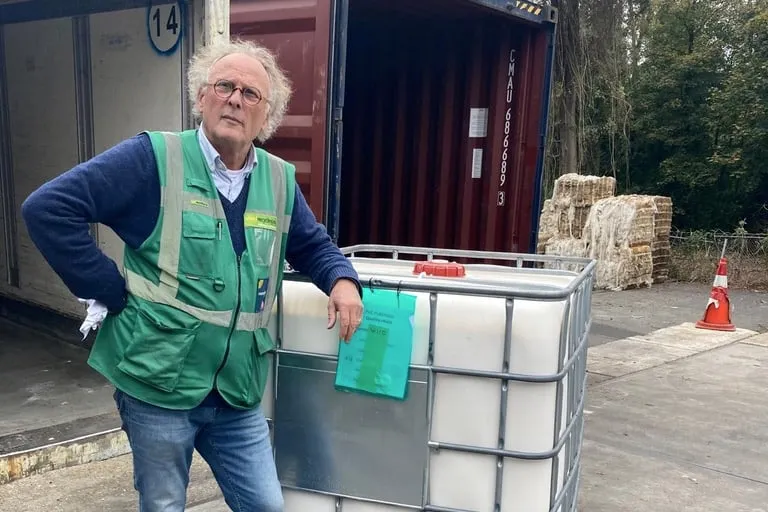
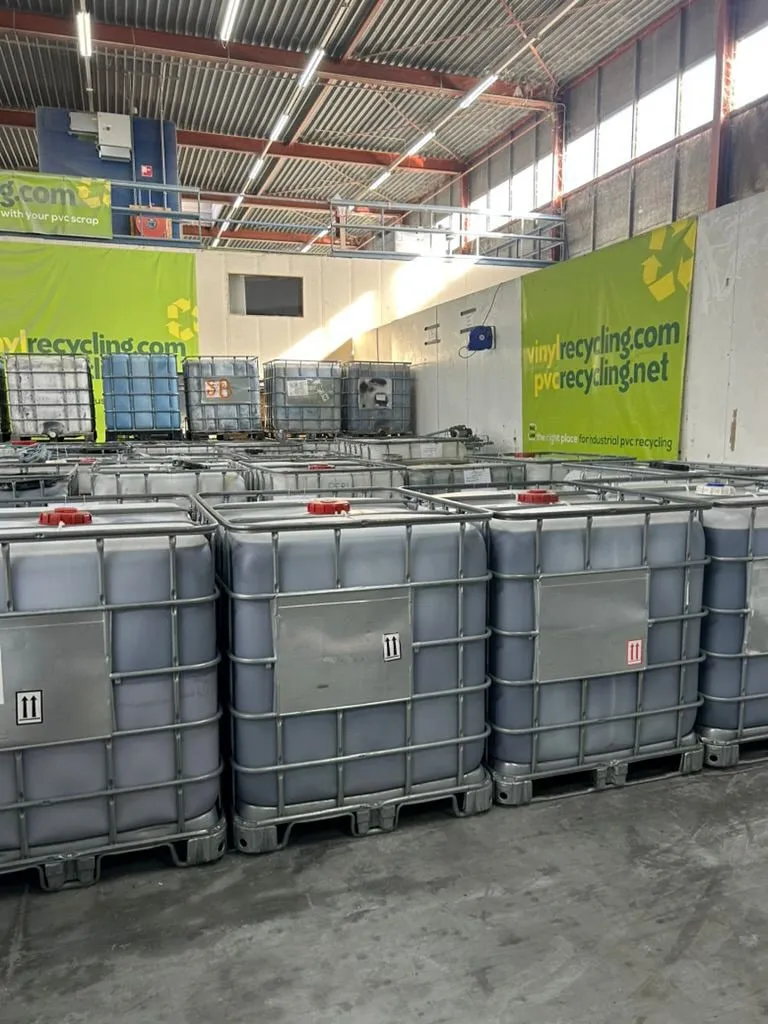
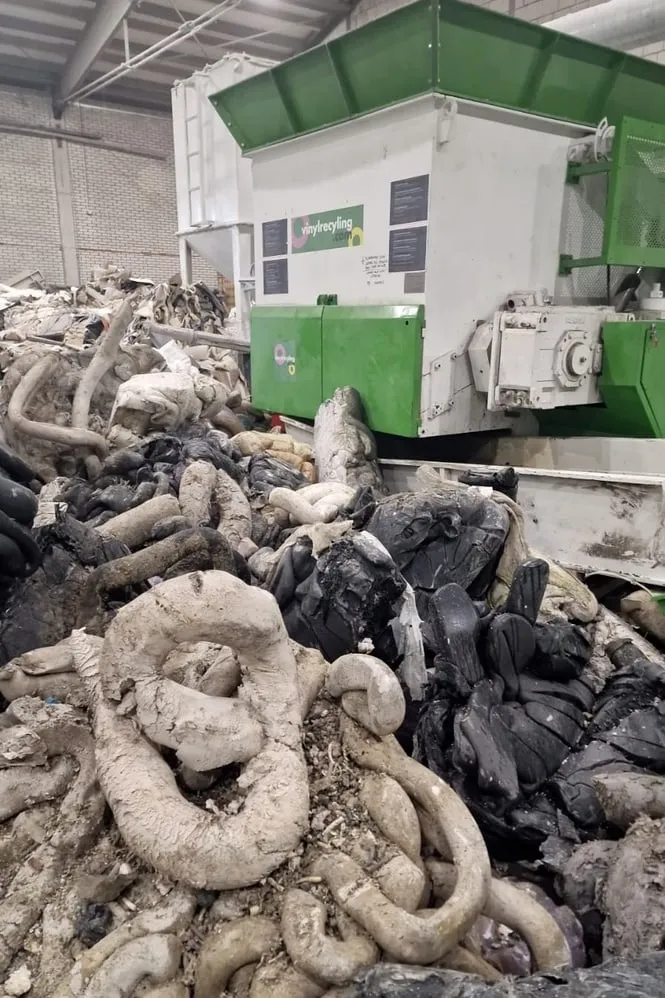
Fortunately, however, demand elsewhere in the world remains undiminished. Thanks to its experience and ambition to keep raising the bar, Vinylrecycling continued to receive many of those orders for products ranging from vinyl records to flooring, and pipes to windows. The malaise affecting the rest of the plastics recycling sector has not yet hit PVC. “We sell 20,000 to 25,000 tonnes of recycled PVC a year,” says Besselsen. “We buy up surplus batches and mechanically recycle them into small pieces, powder or granules, which are then used again as a new raw material. Our products go all over the world, from the United States to India.”
Exports blocked
But the Human Environment and Transport Inspectorate (ILT) put a stop to that. Since November 2023, exports of waste to countries outside the OECD have been prohibited. Vinylrecycling’s shipments were therefore stopped at the border. Seems reasonable, you might think. Surely we don’t want plastic polluting pearly white beaches? However, this material is not bought to be dumped or sent to an incinerator. It is used as a raw material for new products. “Europe has laid down the rules, but not the specific criteria for what is known as end-of-waste status. Member States are free to set those themselves. In the Netherlands, the ILT does so. We use the criteria set out in Article 6 of the Waste Framework Directive to determine whether a substance is waste or not. We meet those criteria.”
Ruling in its favour on additional requirements
Vinylrecycling says the ILT is demanding more than the legislation requires. Besselsen says: “They require a statement from the authorities in the destination countries confirming that they also regard our materials as raw materials. That is impossible, they don’t do that. It only makes them distrust your product, even though official tests can show that it contains no harmful substances. With this additional requirement, the ILT is partly obstructing our exports, and therefore hindering recycling and the development of a circular economy.” Vinylrecycling is not alone in holding this view. It brought summary proceedings against the penalty payments imposed by the ILT. The judge ruled that the case was too complex and should be heard by the Council of State. In early December, it delivered its verdict:
“The WSR contains no provision from which such an obligation follows. Although Article 50(4b) states that the State Secretary may request information about the destination, it does not say that this information may concern the receiving country’s consent. Article 28 of the WSR, to which the State Secretary refers in this context, applies only to the shipment of waste within the European Union. The title on shipments of waste to non-OECD countries contains no reference to this article, nor any equivalent provision. Article 28 therefore cannot, in itself, provide a legal basis for such an obligation.”
What next?
Unfortunately, Vinylrecycling did not live to see the date of the verdict. In November, the company could no longer hold off its creditors and had to file for bankruptcy. It now hopes to make a fresh start with this ruling in its favour. At the factory in Lelystad, big bags full of recyclate were still waiting to be shipped. It would be a crying shame if they did not get a second life and ended up in landfill instead. How would that help the circular economy? Perhaps Europe should reflect on the many rules that sometimes keep recycling companies in a stranglehold. Of course, we must export quality. That goes without saying. But if we allow so much plastic of questionable quality into Europe, why make it difficult to export quality recyclate?
Question about this story? Ask your question
Keep following this
Get an email when a new story is published. No account needed.
- ThemeMaking plastics and packaging circular
- SubjectNews







