












Waste and materials prevention congress shows the way to a stronger Europe
Text Valérie CouplezImage IKEA en OVAM
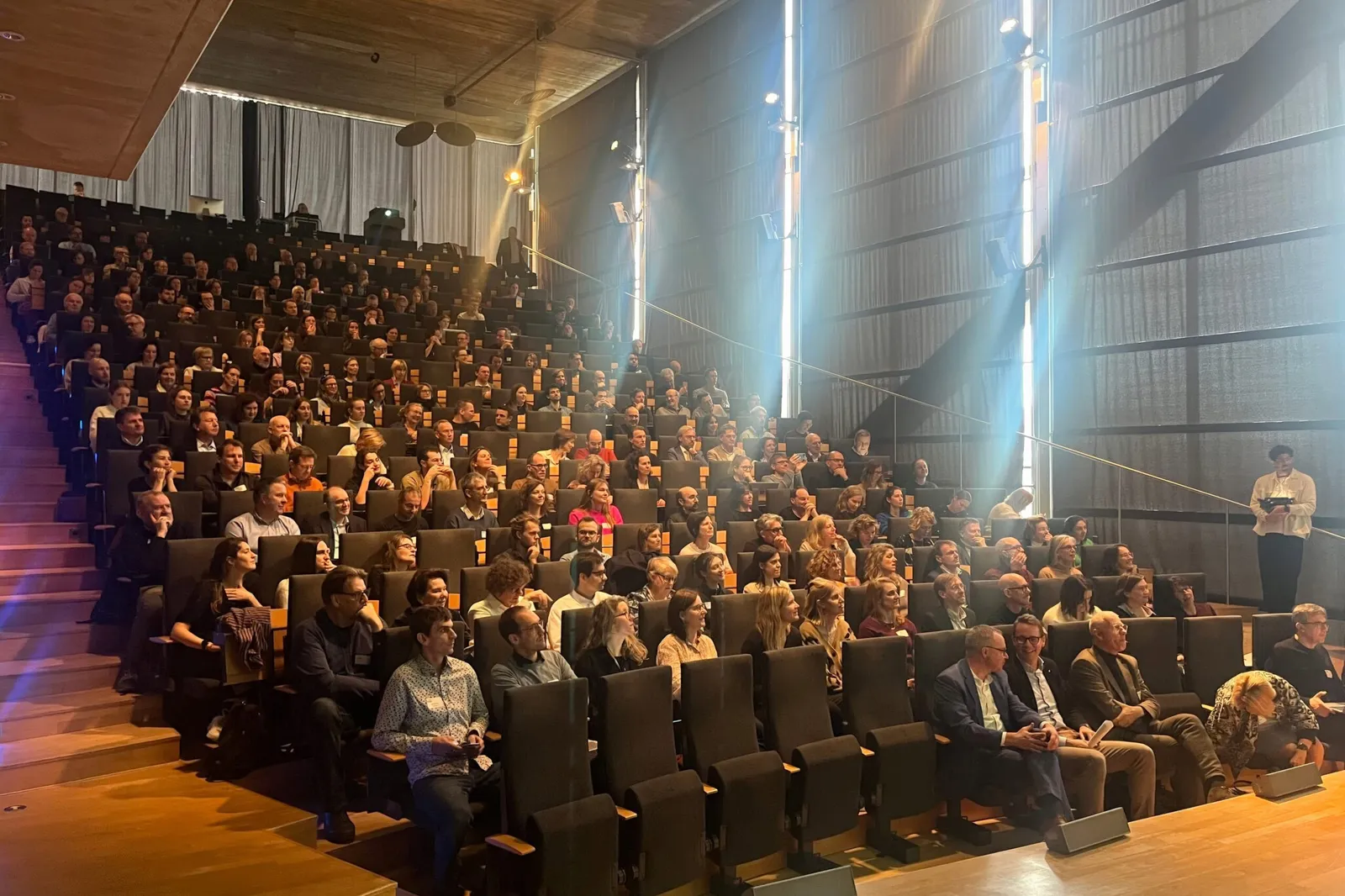
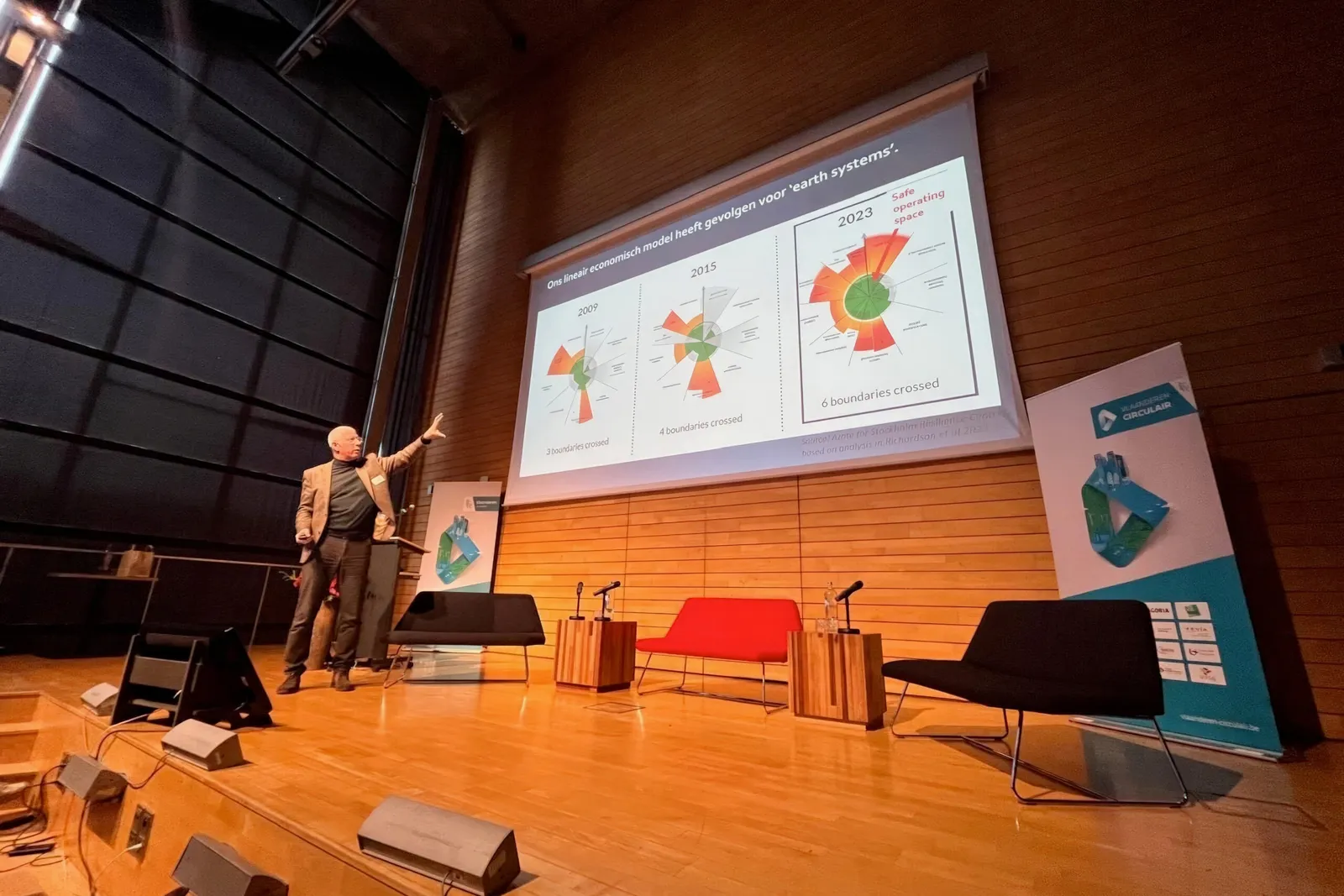
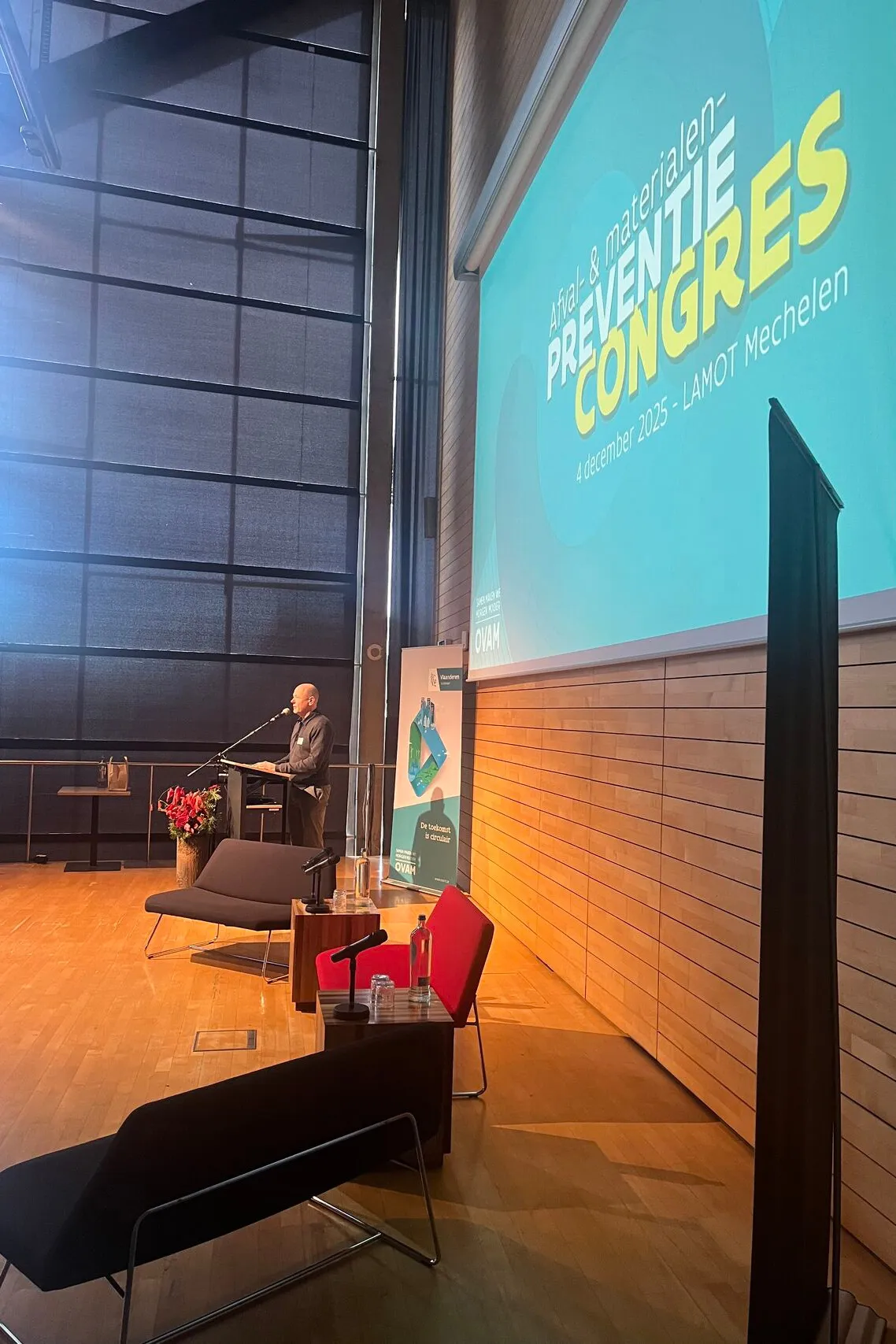
Recycling is central to a circular economy. Preventing waste and materials use is even more sustainable, and is increasingly moving to the fore. Almost twenty years had passed since OVAM, the Public Waste Agency of Flanders, last organised a congress on the subject. Back then, attendance was very small. By contrast, the event’s return in late 2025 drew a full house at Congrescentrum Lamot in Mechelen. Around 200 stakeholders were inspired by keynote speeches, panel discussions and practical case studies. RecyclePro was there too, and picks out a few highlights.
A strong prevention policy is needed to meet Flemish and European ambitions on resource use, waste generation and the associated environmental impact, such as greenhouse gas emissions and pollution. This calls for strategies that reduce demand for raw materials, prevent waste and promote repair and reuse. At the congress, OVAM, with support from Vlaanderen Circulair, once again put waste and materials prevention at the centre of the transition to a circular economy.
Stop wasting resources
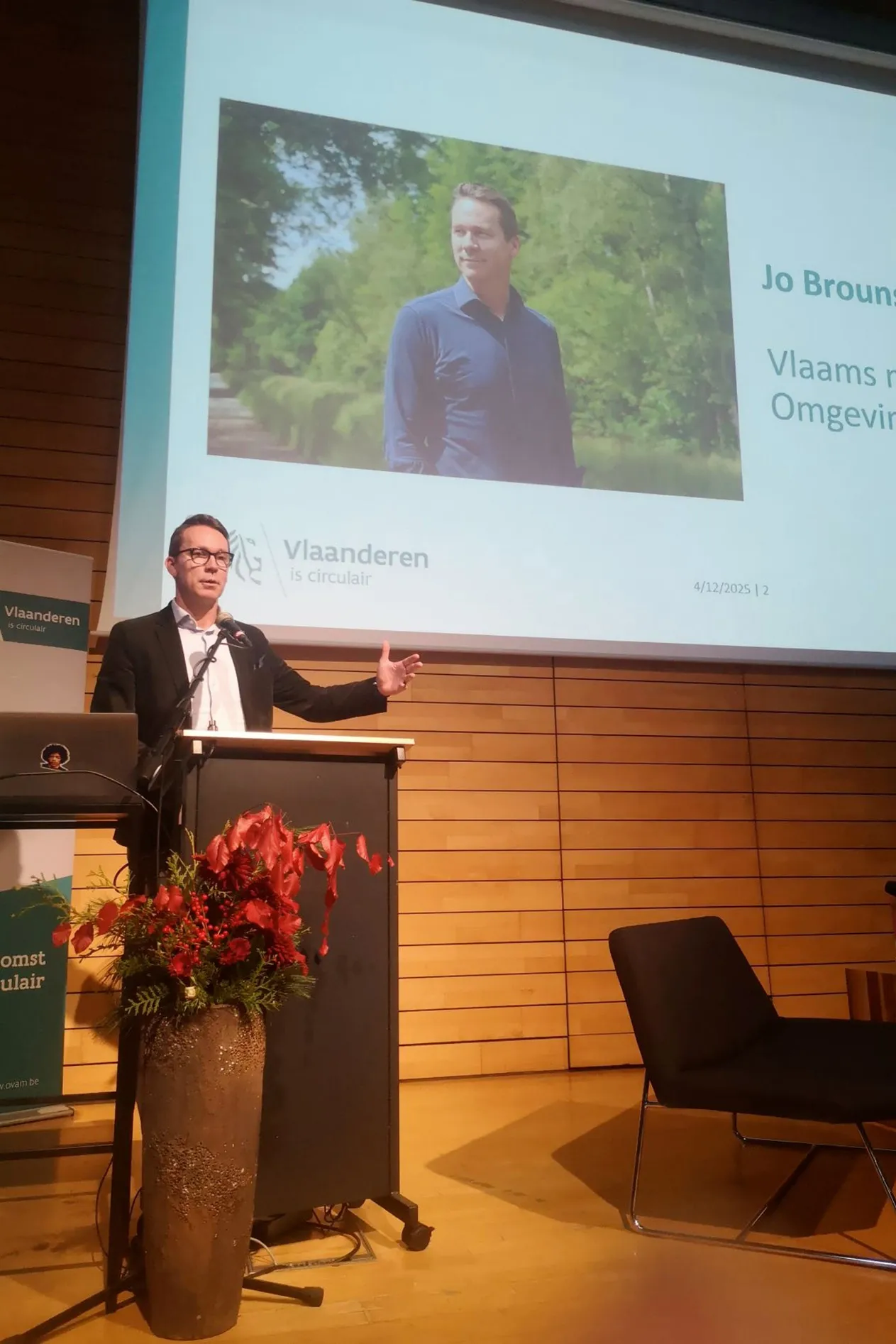
Flemish Minister for the Environment Jo Brouns opened the congress. He sees the issue as one of strategic importance. “Waste is a resource. The geopolitical tensions that are shaking the established world order to its foundations today make its importance all the clearer. As Europe, we must use every means at our disposal to become less dependent on energy and raw materials. Preventing losses is an excellent strategy for achieving this, and one that has already delivered many successes.” Brouns points to the figures for household waste in Flanders, which fell from 560 to 433 kg per person per year. “There are still too many recyclable materials in that figure that should not be sent for incineration. That is why we aim to bring it down to 100 kg. This is ambitious and challenging, as the whole value chain needs to play its part, but it is achievable if we work together, dare to think creatively and continue to invest. Recycling alone will not be enough to reduce material use.”
Sharing inspiration
For OVAM Director-General Werner Annaert, collaboration is also key. “What struck me at the congress was the great diversity of the audience. There were people from companies, institutions, local authorities … I hope everyone found inspiration to consider what they can do in their day-to-day work to prevent waste and reduce materials use,” he sums up. “OVAM’s role in this is that of a director. We need colleagues and partners to put the policy into practice.” The engaging parallel sessions showed that there are already plenty of success stories to share. Examples were presented on three themes:
- Preventing food loss: How can we make a real impact on food loss in Flanders?
- Preventing waste from consumer goods: How can extended producer responsibility (EPR) be used more effectively to prevent waste?
- Prevention in the construction sector: How can we reduce materials use in construction?
Preventing food loss
RecyclePro attended the session on tackling food waste and learned about the figures on the ground in Flanders and how they compare with the targets set by Europe. Those targets are, to say the least, challenging. Compared with the 2020 reference year, or the annual average for 2021 to 2023, food loss must be cut by 10% during processing and production by 2030, for both edible and inedible streams. Across retail and consumption, Europe expects an even greater reduction of 30% per capita. An interim assessment of the data for 2020 to 2026 will show where further adjustments are needed to meet these targets. The latest analysis of residual household waste shows there is still plenty of room for improvement. The organic waste found in it consists mainly of bread, vegetables and fruit, and prepared meals. Half of it is still edible. However, the trend towards less food waste is already under way. The Flemish food industry recorded a 4% reduction between 2020 and 2023. In retail, the figure was 11% over the same period, and in Flemish households it was 13%. Only the hospitality and catering sector still needs to reverse the trend, having recorded a 3% increase.
Tackling food loss in commercial kitchens
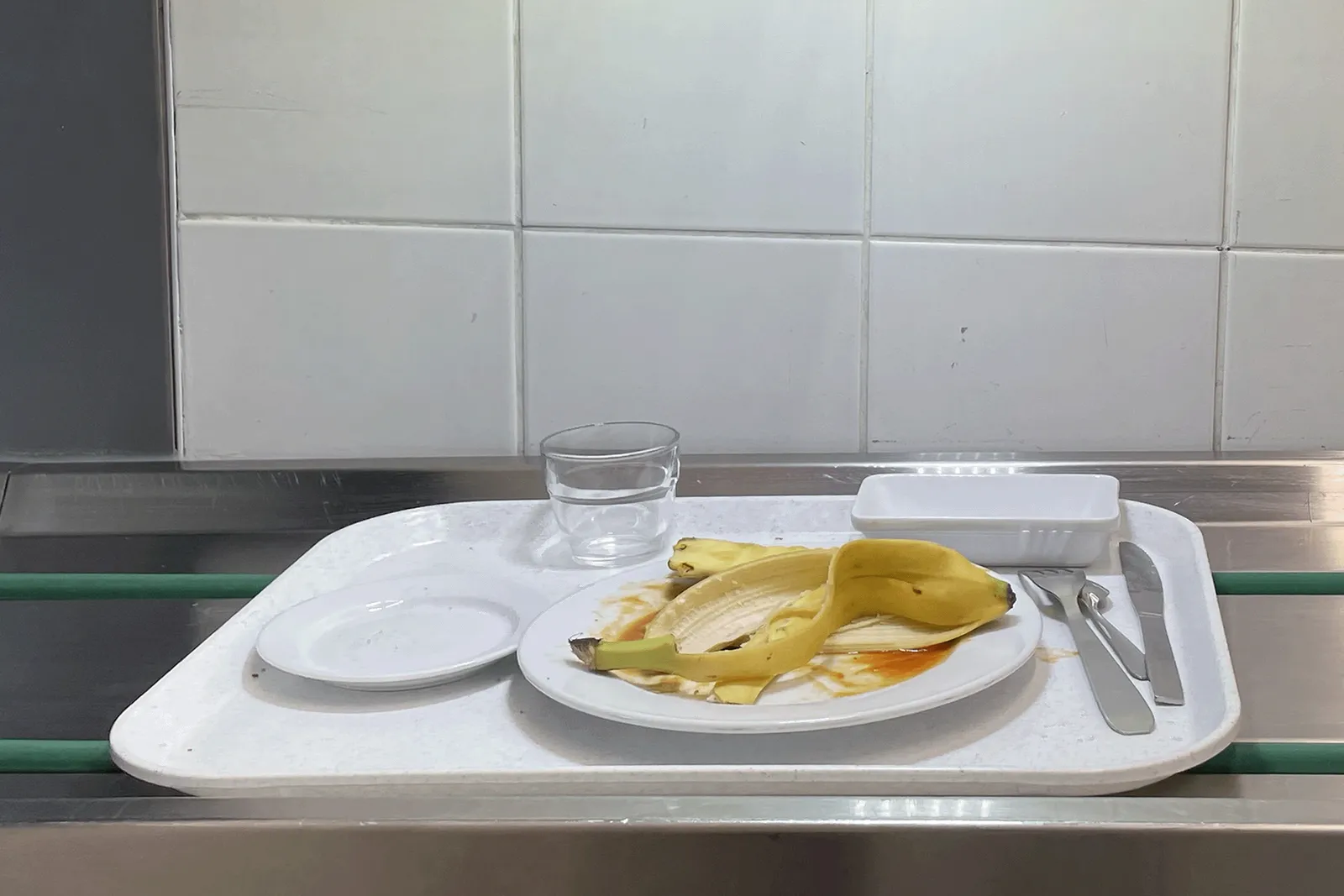
The Swedish chain IKEA has also set itself ambitious targets for tackling food waste. In 2017, it committed to halving food waste in its restaurants by 2020. “It took us one year longer,” says Toby Van Dromme, food operation leader at IKEA. The action plan started with the low-hanging fruit: raising staff awareness. “We spent the first three years on that, then we started improving the system with the help of AI, by recording and measuring more accurately. Today, we have reduced waste by 53%. In terms of food costs alone, that amounts to 2.6 million euros.” IKEA Belgium thus became a pioneer for the entire IKEA Group. It also sought partners to deal with specific waste streams: coffee grounds and empty mussel shells, for example, are given a second life. IKEA has now taken the next step, analysing what customers leave on their plates. To do so, it is introducing a unique system: a camera above the waste conveyor belt. “The figures tell us that 44 g comes back from each plate. Analysing this in detail gives us more data to raise staff and customer awareness of food waste.”
Een zakelijke vraag aan OVAM? Get in touch
Companies in this story

Keep following this
Get an email when a new story is published. No account needed.
- ThemeCircular business under changing regulations
- SubjectNews
- CompanyOVAM







