












Waste? A resource!
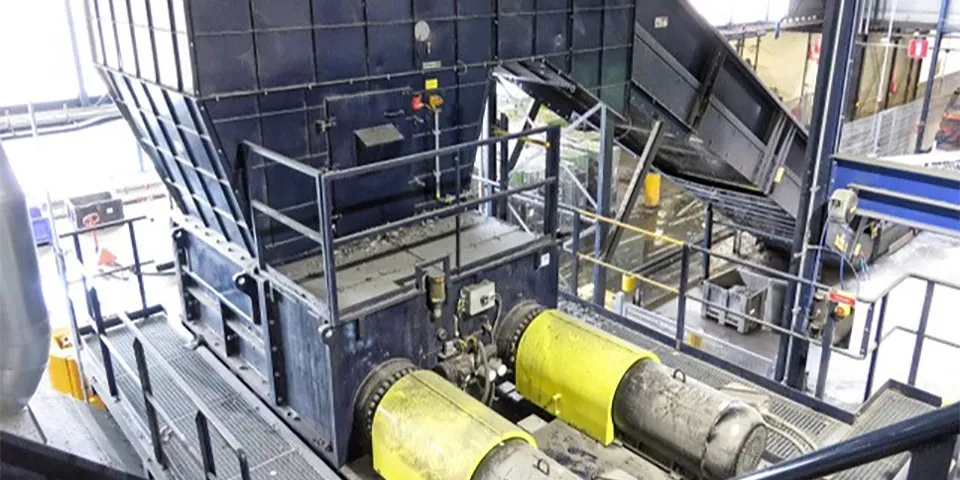
If we want to reduce the mountain of waste, it helps to start by thinking differently about waste. We can also see it as a potential resource. But we will not get there by changing our thinking alone. The latest generation of crushers and shredders already offers the technology needed to process waste so that it can be returned to the cycle as effectively as possible.
The environment is under immense pressure. We are inundated with news reports about the ecological crisis. It is five to midnight. At best. Such messages provoke feelings of anxiety and helplessness in many people. Some resign themselves to the situation and give up, while others take action. And that is exactly what we need: action and inspiring examples. Our enormous mountain of waste is putting a heavy burden on the planet. Each of us is estimated to produce around 1 kg of household waste per day. But there is also a great deal of ‘hidden waste’: industrial waste generated in the manufacture of the consumer goods we use. Once this is taken into account, the figure quickly rises to 10 kg of waste per person per day. This is a figure we must bring down, not least by recycling much more. By increasingly sourcing our raw materials from waste, we give nature a double gift. This idea is gradually gaining ground, including in production environments, where huge quantities of waste are often generated.
Circular solutions
“In their search for ways to deal with this waste, producers are increasingly opting for sustainable, circular initiatives,” says Stefaan Paulus, managing director of C.S.B. Waste Solutions. He cites the example of a company that prints on plastics and decided to process its own plastic waste. Having it collected was becoming increasingly expensive, and the lack of control over what happened to it afterwards no longer fitted with the company’s sustainability ethos. The company invested in a waste-processing plant to turn the offcuts into granules, which are used as a raw material to make new plastic products. Recycled plant pots are a familiar example. A new division was set up, which now produces recycled raw materials seven days a week, while also creating additional jobs. “Unfortunately, the company has encountered some limits. It wanted to invest further and expand its operations, but was unable to access the vital government support it needed,” says Paulus.
Economics versus ecology
From a technological standpoint, it is entirely possible today to process waste back into basic raw materials. “Crushers and shredders allow us to sort waste extensively so that as much as possible can be recycled. Such plants do require a substantial initial investment and a long-term vision. It is not easy for companies to put ecology ahead of economic interests. If we are serious about moving towards a more sustainable society, the government should provide greater support for environmentally friendly initiatives,” says Paulus. “In a sustainable society, economic, social and environmental factors are in balance. Today, economic interests still carry too much weight. The coronavirus crisis, for example, has caused oil prices to plummet to such an extent that extracting raw materials from nature is cheaper than recovering them through recycling. But we are not taking sufficient account of the high price we will pay for this in the longer term.”
The importance of pre-shredding
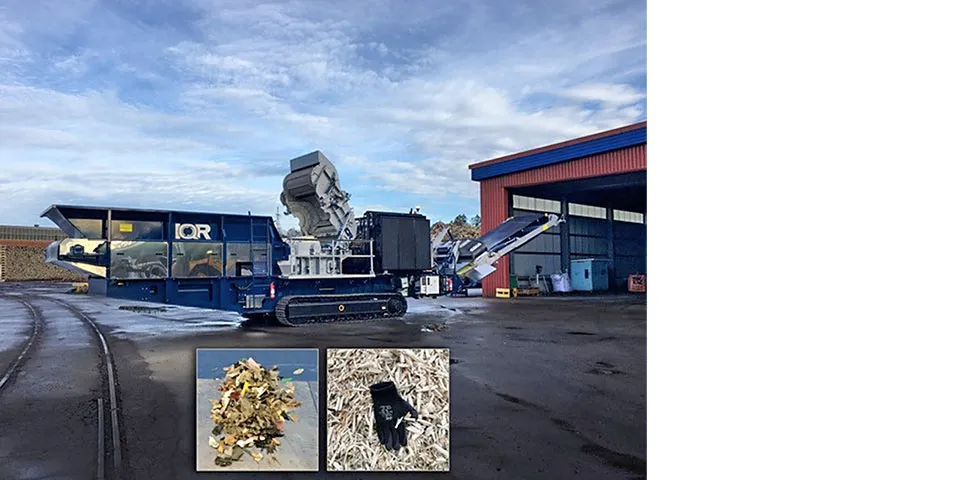
C.S.B. Waste Solutions has been leading the way for more than 25 years and distributes crushers and shredders from manufacturers including SSI and IQR / Elme Magnets in Belgium. With its expertise and in-depth advice and support, the company aims to do its bit for a more sustainable society. After all, every plant needs to be tailored to the job. Paulus: “No two situations are alike. The plant must be perfectly matched to the waste being processed, the volume and the desired result. SSI’s slow-speed shredders, for example, are ideally suited to pre-shredding a wide range of waste streams into larger fractions that can then be sorted efficiently. Sorting is largely done manually, but also with Elme overband magnets, which carefully remove ferrous metals from the fraction. In a second stage, the pieces can be shredded further into a fraction suitable for recycling. IQR’s crushers, whether mobile or not, are powerful machines capable of processing huge volumes at high speed. They can also be used to process post-consumer waste. Much of this waste is still exported today, but this is increasingly being restricted. With the right incentives and support, there is a significant market opportunity here too.”
Question about this story? Ask your question
Keep following this
Get an email when a new story is published. No account needed.
- ThemeSmarter use of machinery and plant
- SubjectNews







