












Wagging colleagues: dogs in the workplace
Text Group CasierImage iStock
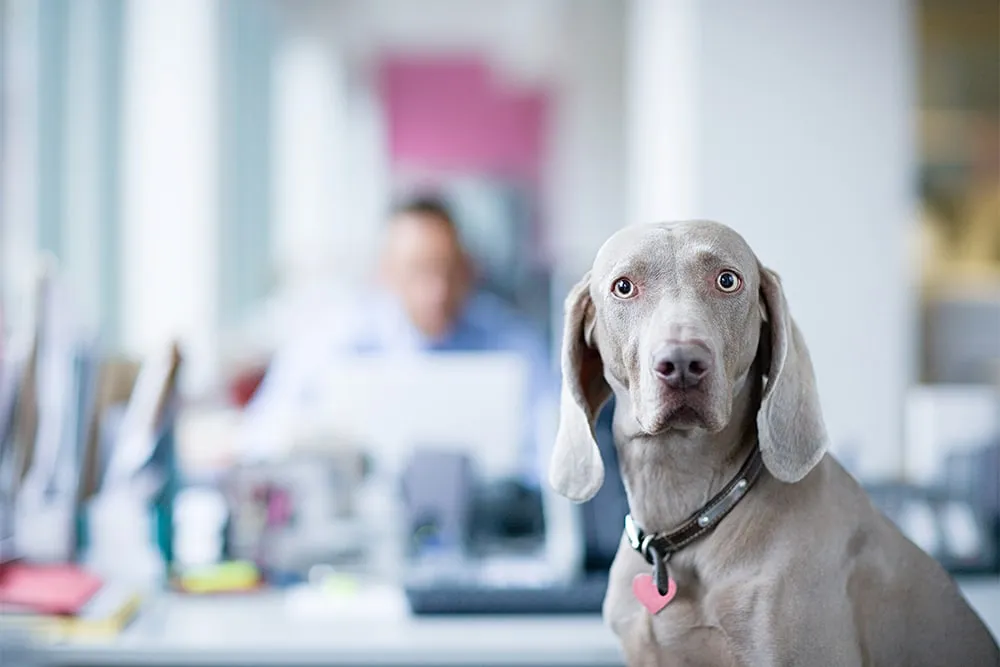
Dogs in the workplace may help create a better atmosphere, but they also present safety and prevention challenges. What should you take into account? And how can you protect yourself financially in case an animal causes damage?
The domestication of dogs in Europe is thought to have begun around 15,000 years ago. Until fairly recently, dogs often served as watch dogs and guards on business premises. Now, they have taken a new step on the evolutionary ladder. Dogs in the workplace are becoming increasingly popular. Many businesses recognise the benefits of a pet-friendly environment. Pets can help create a relaxed atmosphere, improve employee wellbeing and even boost productivity. This trend also brings safety and prevention challenges, and raises the question of liability.
Safety measures
Carry out health checks: all dogs coming to work should be checked regularly by a vet. This helps prevent the spread of disease and ensures that dogs are in good health;
Ensure dogs have basic training and good behaviour. They should know basic commands and behave sociably. This reduces the risk of aggressive behaviour or accidents;
Create safe spaces: it is essential to provide designated areas where animals can stay without disrupting work processes. Keeping a record of which dogs are on site is also good preparation for a possible evacuation.
Preventive measures
What about allergies and phobias? Not everyone is comfortable around dogs. Some employees may have allergies or phobias. It is important to take this seriously and offer alternative workspaces or solutions. These could range from creating dog-free zones to offering flexible working arrangements;
Hygiene is an important consideration when allowing dogs in the workplace. Regular cleaning of areas where dogs spend time is essential to maintain a clean and healthy working environment. The business should provide adequate cleaning products and clear guidelines on cleaning up after accidents.
What if something goes wrong?
If these preventive measures are not enough and an animal causes damage, you can protect yourself against the resulting financial risk through:
The company’s employers’ liability insurance: this protects employees on the employer’s payroll;
The company’s public liability insurance (business operations): if a company dog causes damage to a third party, this will generally be covered by the company’s public liability insurance. This policy covers damage caused by the company’s activities or property, including damage caused by pets owned by the company. Public liability insurance covers both property damage and personal injury caused by the dog. This may include medical expenses, compensation and legal costs. Not every insurer offers this cover, so you should check your insurance policy;
An individual’s personal liability insurance: if an employee’s dog causes damage to a third party, you should not assume that this will be covered by their personal liability insurance. The dog is, after all, in a professional setting. We look ahead to 1 January 2025, when Book 6 of the Civil Code comes into force. In particular, we refer to Article 6.17. It states that the keeper of an animal is strictly liable for damage caused by that animal. The keeper is the person who has independent authority to direct and control the animal. The owner is presumed to be the animal’s keeper unless they prove that someone else has custody of it. Always bear in mind that a liability claim must be based on non-contractual damage. This refers to damage caused by someone else’s fault or on the basis of strict liability, where the damage is unrelated to the performance of an agreement. In other words, damage that occurs where there is no contractual relationship between the parties concerned.
A considered policy
Dogs in the workplace can be a valuable addition to company culture and employee wellbeing. By implementing a considered policy and clear guidelines, your business can maximise the benefits and minimise the risks.
Have any questions or would you like more information? Please contact Bart Pieters, [email protected], Corporate Consultant at Group Casier, [email protected].
Question about this story? Ask your question
Keep following this
Get an email when a new story is published. No account needed.
- SubjectNews







