Expertise and an impeccable reputation make all the difference in transporting recyclables
No waste stream is as complex as recyclables. With more than twenty years’ experience exporting and importing these and other materials, REKUPP knows better than anyone how to help its customers navigate every obstacle. And it all starts with thorough quality checks. A shipment held up at an overseas port costs customers time and money in a sector where margins are already particularly tight.
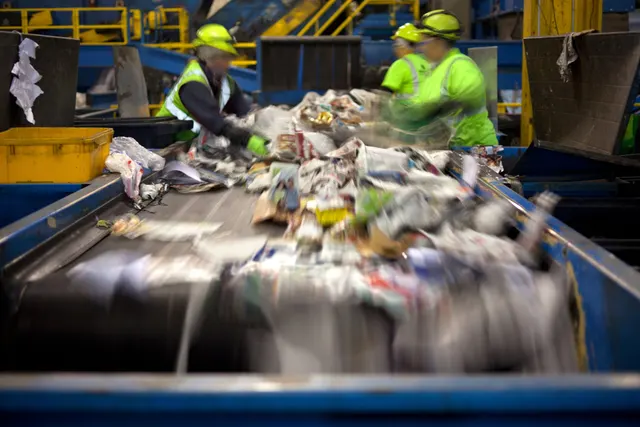
Remant Globe Logistics and Steelduxx have joined forces to create REKUPP, a freight forwarding company specialising in the transport of recyclable materials. The new company starts out with a wealth of experience in logistics niches. REKUPP’s mission is to make importing and exporting recycled materials around the world as hassle-free as possible for its customers. “This is our way of helping to pave the road to a circular economy,” explains manager Frederic van Olmen. “We handle all kinds of materials, from plastics to textiles, and from paper to rubber. We also keep a close eye on market developments to identify new material streams and proactively look for solutions. We are always looking ahead.”
Making a difference on the ground
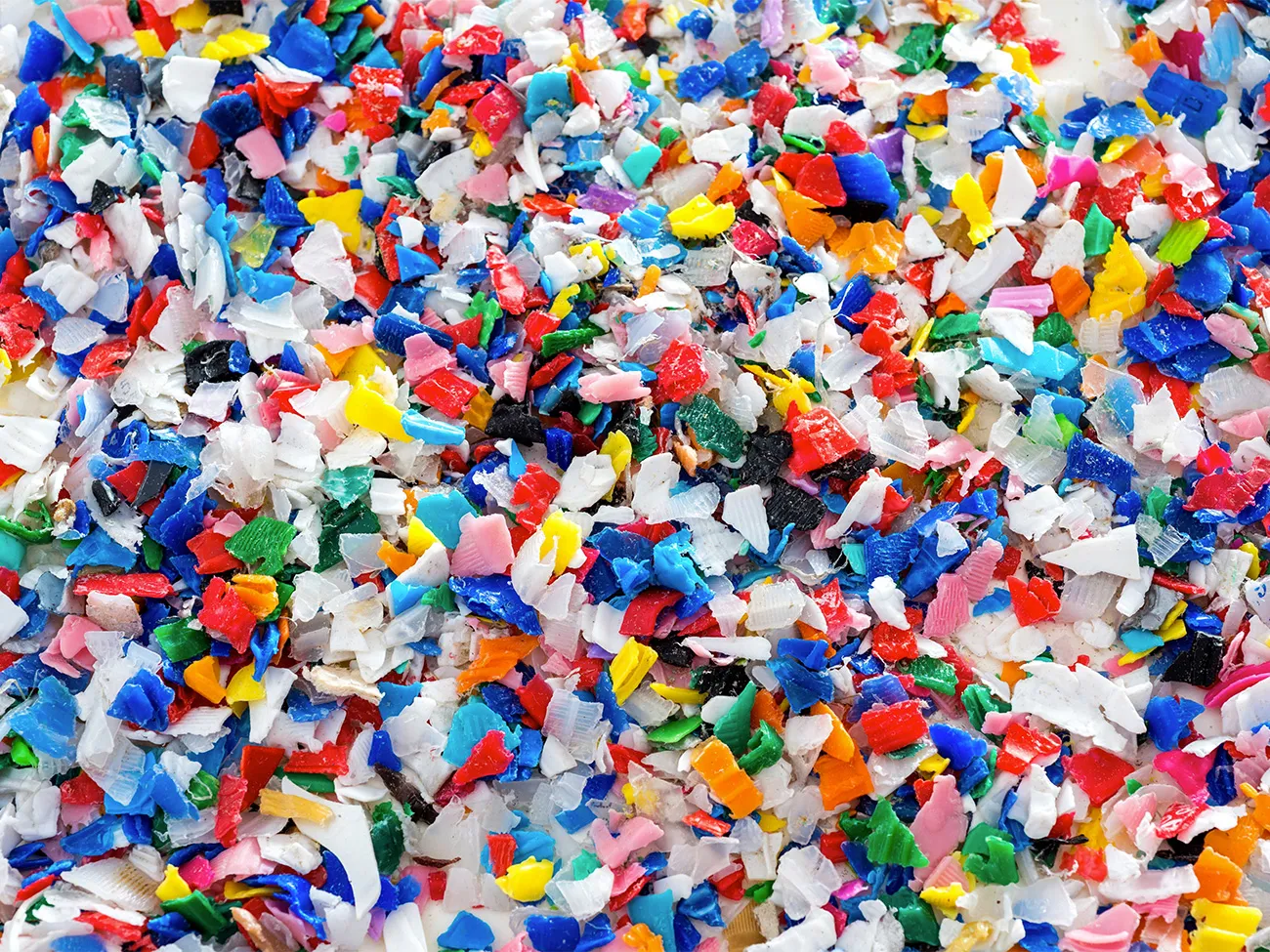
Rekupp stands out thanks to its many years of experience, expertise and impeccable reputation. This is particularly important in the complex world of plastics, where it makes a real difference on the ground. “That is precisely because there are so many different types of plastic, in a wide range of grades, from scrap and regrind to virgin raw materials,” adds business development manager Bruno Driesen. “By carrying out thorough quality checks, we establish exactly what material we are dealing with, and then arrange transport in the best possible way and on the best possible terms. This takes considerable know-how because, although there is uniform European legislation on waste streams, not all Member States interpret it in the same way. As a result, it can sometimes be more advantageous to ship certain material streams from ports in other countries rather than from the nearest port in the country of origin. Thanks to our experience and international contacts, we know exactly what is expected in each location and what will benefit our customer most.”
A focus on quality checks
That is far from a given today. The distinction between virgin plastics and plastic scrap is sometimes blurred. Transporting recyclables involves additional administrative procedures, and as a result of these ‘cowboy practices’, a number of shipping lines have stopped carrying plastic scrap. Driesen: “You can see it in the inspections too. If a document accessible to customs or environmental inspectors lists plastic scrap, you can almost always expect a physical inspection, a scan or a documentary check. The worst thing that can happen to us is for a container to be held up somewhere in the world. That causes unnecessary delays and extra costs for customers. That is why we put so much effort into quality checks. The better we can identify the materials, the better we can inform and educate our customers, and rule out potential problems in advance. If there is any doubt about whether the local authorities will approve the recyclables for overseas transport, it is better not to ship them. The margins are too small for that.”
An impeccable reputation
Shipping lines also appreciate the time and resources Rekupp invests in carrying out these quality checks. Van Olmen: “The people behind Rekupp have been active since 2001 and are now well known to shipping lines. That also means we can negotiate better rates. Reputation is everything in this sector.” Rekupp is determined to maintain this strategy in the future. “In a circular society, waste becomes a raw material again. The importance of importing and exporting these material streams will therefore continue to grow. We do, however, expect the focus to shift from mainly exports to more imports as we build up our own recycling industry here in Europe, which is the EU’s aim. Transport between the various EU Member States will increase. But the expertise needed to see the wood for the trees will remain essential. It is the fundamental requirement for always finding a solution that complies with the rules.”
Question about this story? Ask your question
Keep following this
Get an email when a new story is published. No account needed.
- SubjectTransport & logistics