A plastics export ban is on the way
Text Valérie CouplezImage iStock
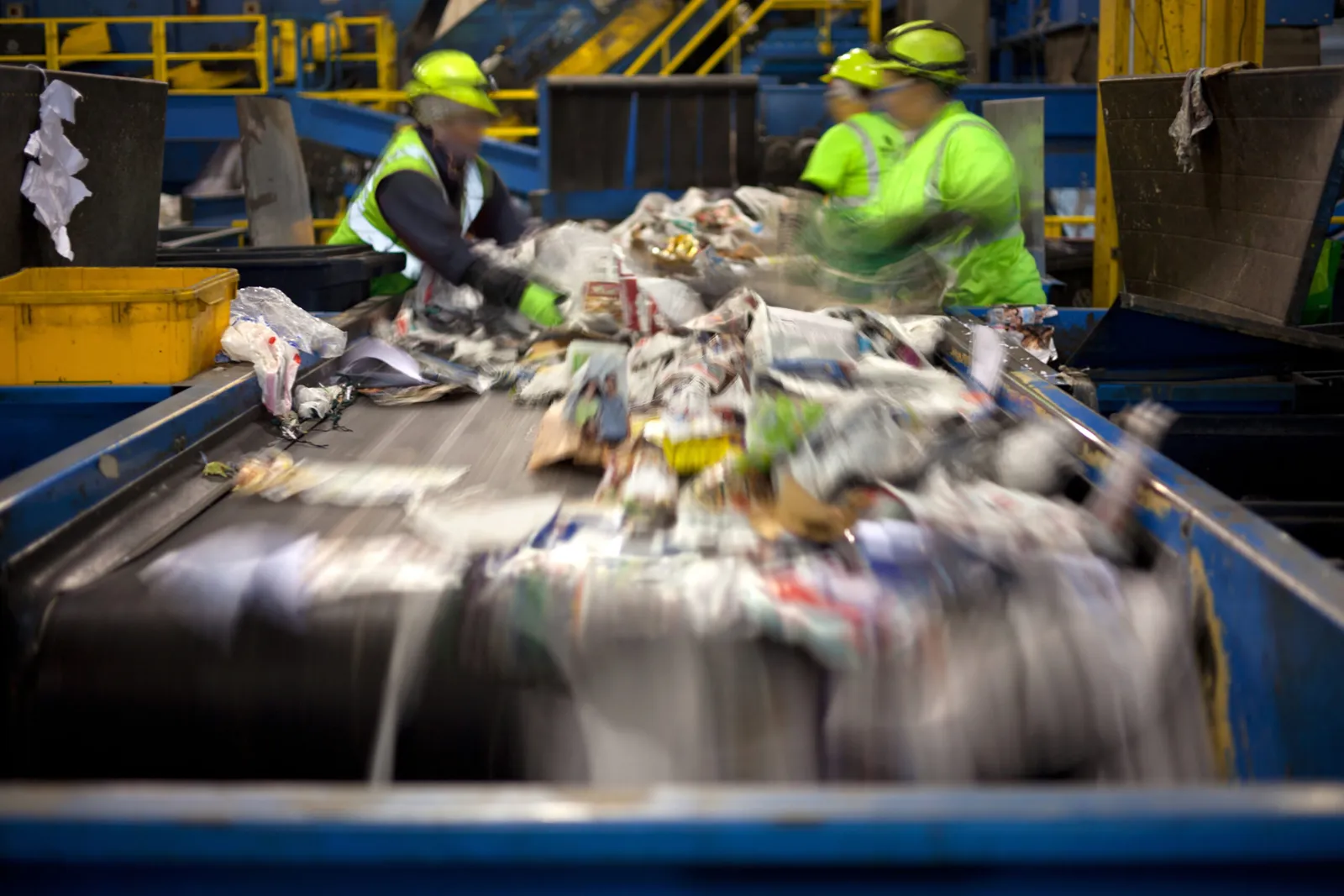
Plastics recycling is under pressure today. This is due to lower overall demand and the low price of fossil fuels, which is prompting even producers that were already using recycled materials to switch back to virgin raw materials, with higher CO2 emissions. Things will not get any easier from November 2026, when the plastics export ban prescribed by the European Waste Shipment Regulation comes into force. This will put significant additional pressure on Europe’s processing capacity.
Europe is not ready for its own plastics export ban. That is the sad conclusion reached just over a year before it actually comes into force. For one thing, the plastics recycling industry does not currently have sufficient capacity. Or at least, not the right kind of capacity to process the notoriously difficult, lower-value waste streams that are mainly exported today. These often need to be sorted by hand. We do not have the workers for that here, and labour costs many times more than in Asia.
Too little demand
The market is not ready either. In recent years, we have seen a significant decline in demand for recycled plastics. Despite all the ambitious promises on sustainability, as soon as fossil fuel prices fall, producers switch back to virgin raw materials. Measures that could boost demand are still awaited. The requirement for recycled content in packaging materials under the Packaging & Packaging Waste Regulation will not take effect until 2030. The end-of-life vehicle legislation, which also includes provisions on recycled content and even closed-loop recycling, has yet to be finalised by parliament.
Impact across the entire chain
It is currently difficult to predict exactly how much the export ban will affect the market. What is beyond doubt is that more low-value waste streams will remain here, pushing prices down. Supply will outstrip demand. Whereas in the past, people were paid for their waste, they will now have to pay to have it collected and processed. This increased supply is no gift to collectors or recycling companies processing plastic waste into recyclate either. Producers already using recyclate in their products will now cherry-pick, opting for the highest-quality material. Meanwhile, Europe risks being left with a mountain of plastic waste. So, should it all be incinerated? Building up unlimited stocks of materials for which there is currently no solution is a no-go.
Stability is needed
The aim of the regulation is sound: to keep as much material as possible within Europe. But creating a truly circular market requires supporting measures, such as requirements for the use of recyclate. Unfortunately, these requirements will not come into force for several years. Stability is also key. Further investment is needed in processing capacity and innovation to process efficiently all the waste streams that can no longer be exported. However, the European Waste Shipment Regulation provides for an evaluation of the export ban within three years. In other words, if the market were to reopen then, all that investment would have been for nothing. A plant cannot be built overnight. Unfortunately, the legislation lacks this long-term perspective.
Harmonise, support and protect the internal market
If we do not want Europe’s plastics recycling industry to decline, financial support is needed. A CO2 tax that reflects the environmental benefits of recyclate in its price is unlikely to be introduced in the short term. But perhaps we could look at EPR schemes and offer financial incentives to producers that use recycled content. Or use some of the contributions companies pay into EPR schemes to develop new technology for recycling difficult fractions here. Better mechanical separation is very important in this respect, whether as a preparation step for chemical recycling or not. And while we are looking ahead, let us also consider how we can better harmonise the European market. Different rules, levies and EPR schemes apply in different European countries. Greater harmonisation would help the European market thrive and give it a stronger hand in competing with cheap recyclate from other parts of the world. The internal market could do with a little extra protection.
Question about this story? Ask your question
Keep following this
Get an email when a new story is published. No account needed.
- ThemeMaking plastics and packaging circular
- SubjectTransport & logistics