












The tungsten market: from challenges to solutions?
Text Els GoethalsImage Geurts Van Kessel Hardfacing
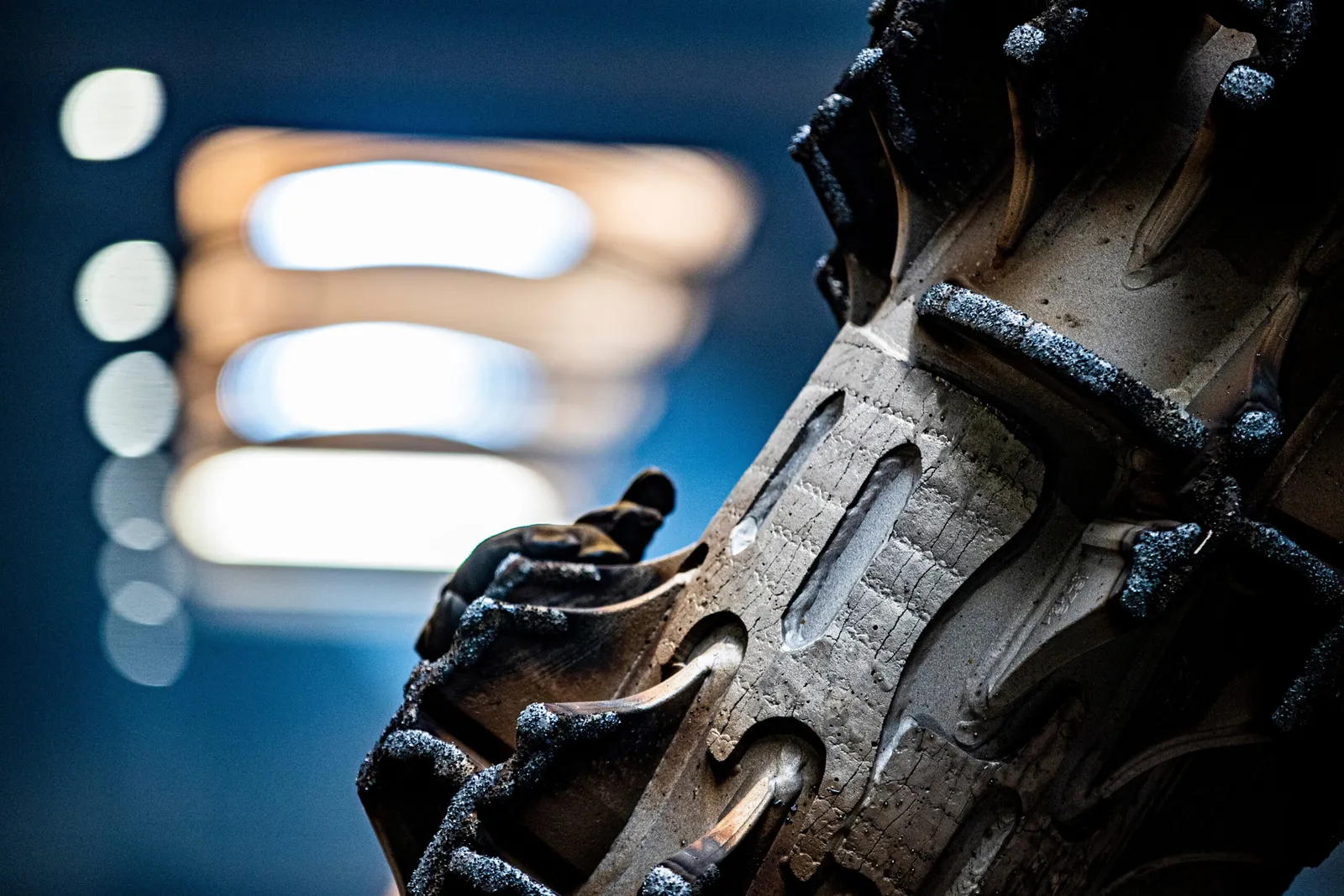
There is no doubt that a tungsten carbide wear layer significantly extends the service life of components. But is it the only holy grail, or are there other ways to achieve the same superior protection? It is a timely question, with international tungsten carbide prices under pressure. Even in challenging times, specialist Geurts van Kessel Hardfacing knows the answer.
Where tungsten prices and availability were once fairly stable, geopolitical tensions have changed that. China, which produces around 82% of the world’s tungsten, turned off the tap last year. This has direct consequences for sectors reliant on carbide solutions, including the recycling industry. The key question is: are there any alternatives at all?
Wear challenges in the recycling industry
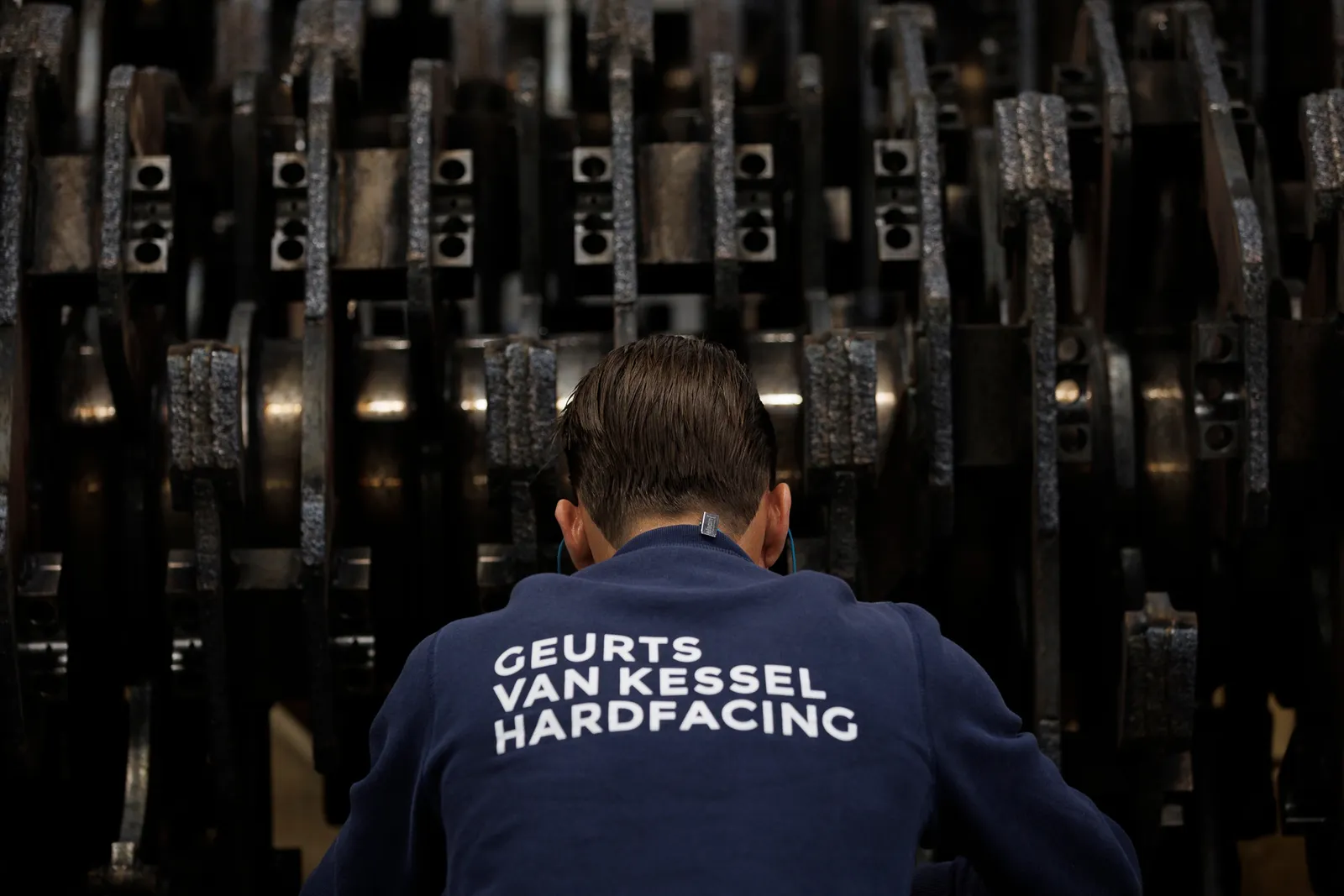
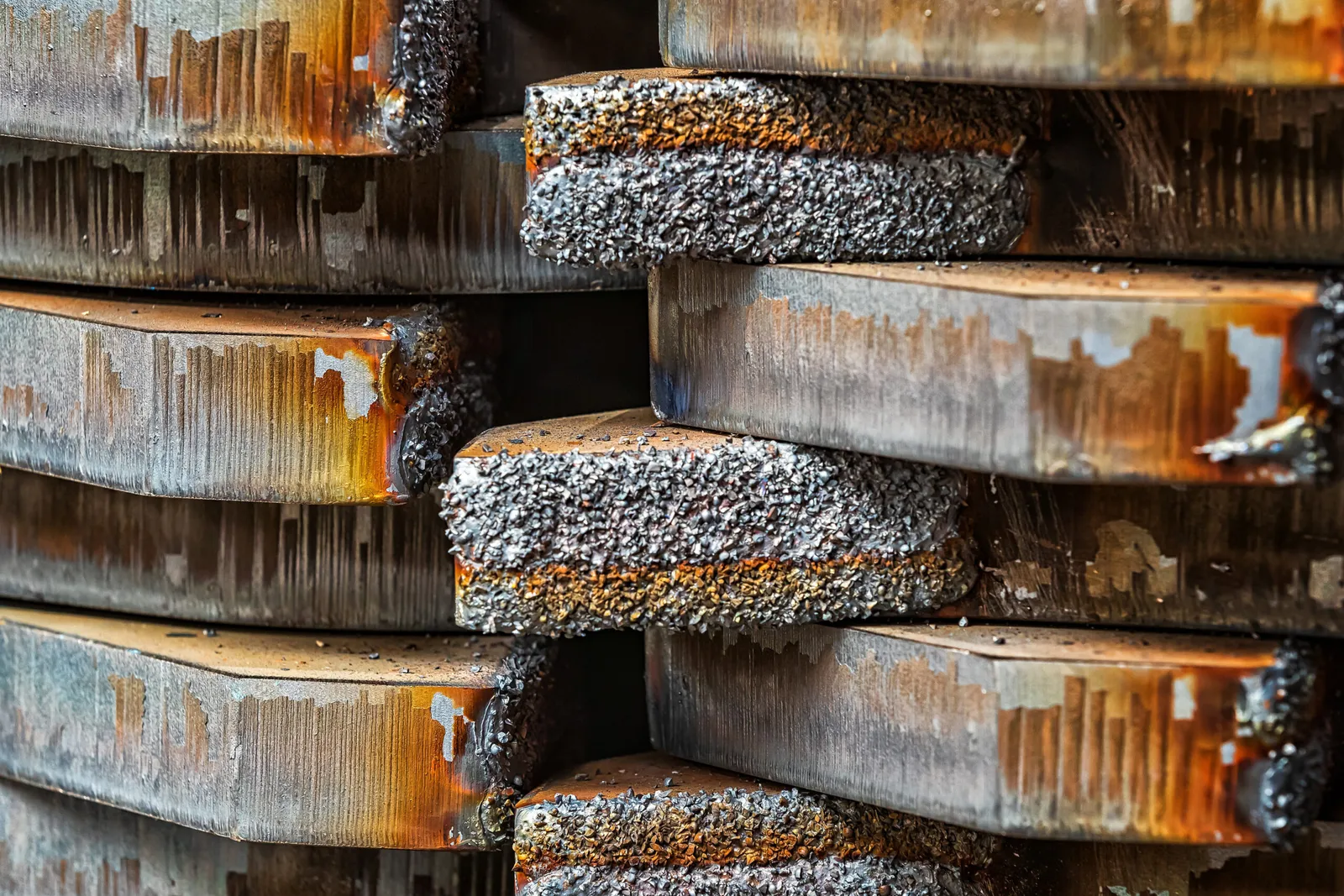
If there is one thing recycling professionals swear by, it is tungsten carbide wear layers. And rightly so: it is one of the hardest materials in existence and can extend the service life of components by as much as three to four times. Shredder knives, hammers, rotor segments and wear plates are typical recycling machine components exposed to heavy impact as well as friction and abrasion, which accelerates wear. Based in Heesch, the Netherlands, Geurts van Kessel Hardfacing has specialised for more than twenty years in applying wear-resistant layers to these and other machine components. This delivers more consistent output, less downtime, lower fuel consumption and reduced maintenance costs. “Continually refining welding techniques is in our DNA and gives us a clear edge in a rapidly evolving market today,” says Kim Geurts van Kessel.
Innovation in wear solutions
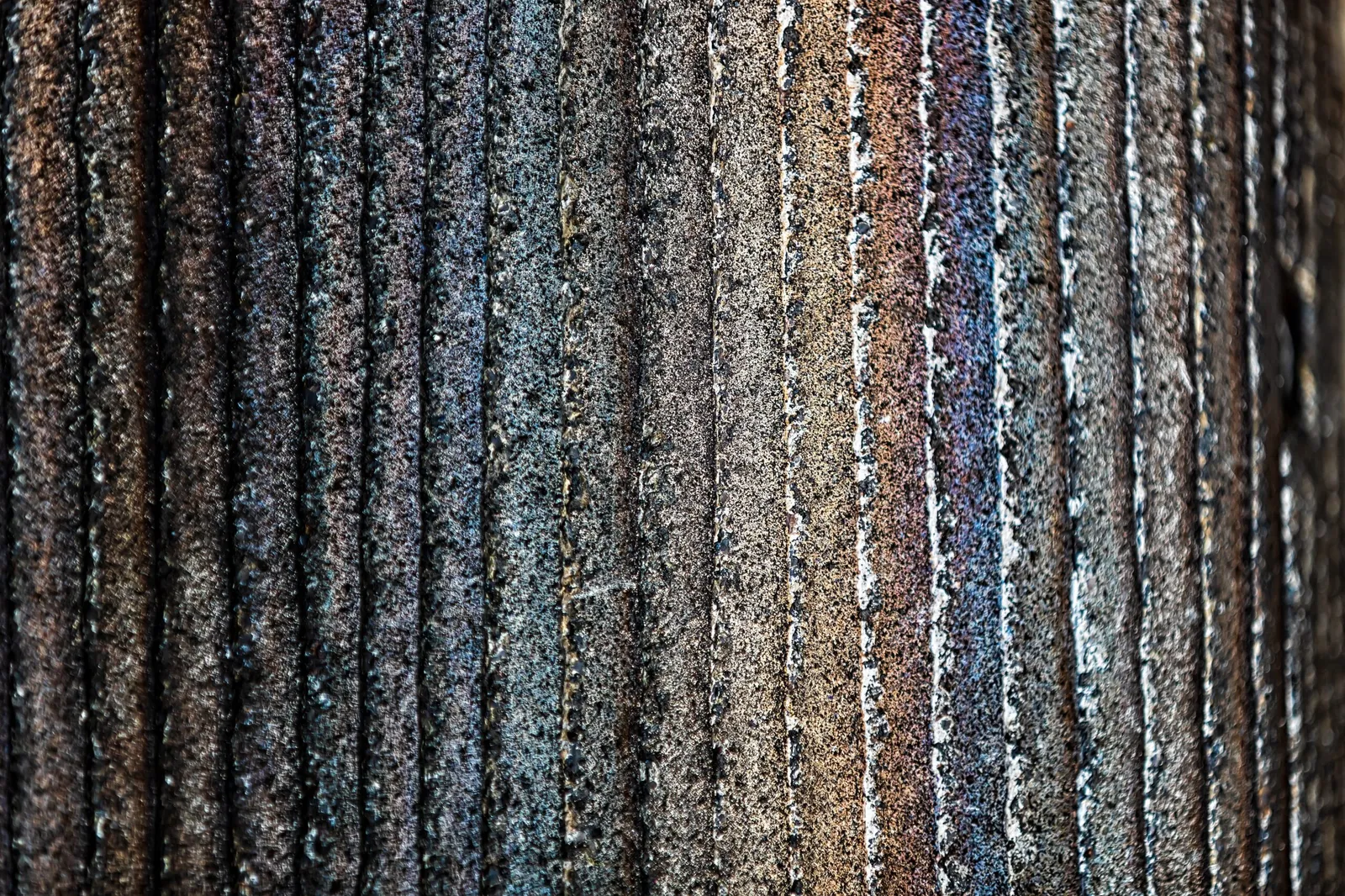
“It remains uncertain how long the current situation of high prices and long lead times will continue. What is clear is that interest in sustainable alternatives is growing. We cannot change market conditions, but we can investigate the causes of wear problems. What mechanical loads are the components subjected to? What material streams are being processed? This allows us to work closely with the customer and find the most suitable solution. We no longer focus solely on maximum hardness, but also consider factors such as toughness, impact resistance, repairability and the total cost over a component’s entire service life. This gives us a more diverse range of material solutions, in which tungsten carbide still plays an important role, but is no longer the only possible approach,” Geurts van Kessel explains.
RecyClad offers a solution
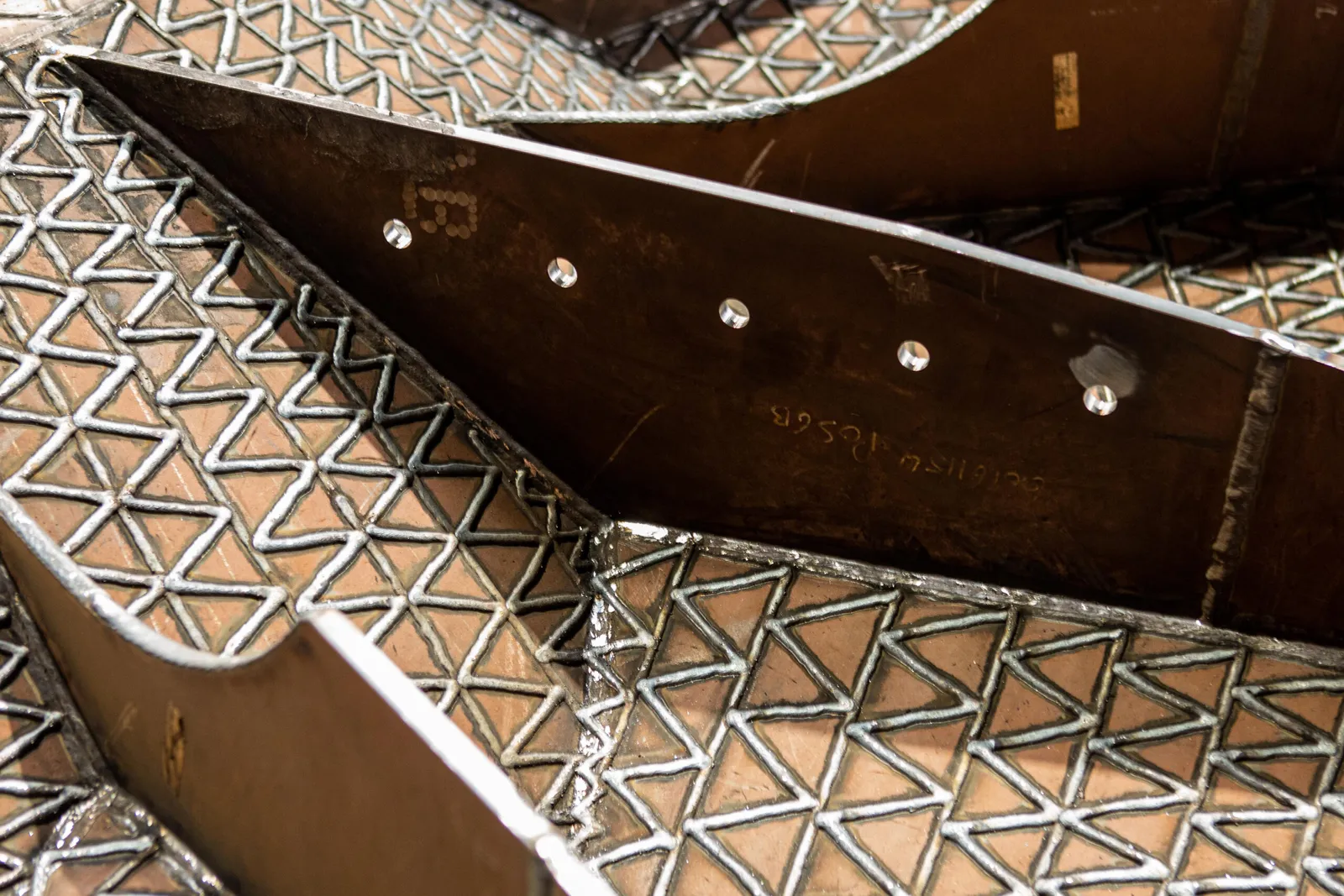
“Our RecyClad wear layer, applied using laser cladding, is one such material concept that we use successfully. Laser cladding uses a focused laser beam to apply a wear-resistant metal alloy to metal components. Only the top micron-level layer of the base material is melted, allowing the powder to form a strong metallurgical bond. This method therefore makes it possible to apply a precisely controlled wear layer with minimal dilution of the base material. The result is a hard, wear-resistant microstructure that requires no large quantities of tungsten carbide.”
The real cost: more than just raw materials
“Carefully weighing up the choice of tungsten carbide against other options can minimise downtime and loss of output,” concludes Geurts van Kessel. “Quality always comes first for us. A cheap weld overlay that has to be replaced after just two weeks will ultimately cost you far more than a quality solution that lasts five times as long, even if the latter costs more upfront. By analysing each wear problem individually, we make the most of our expertise to find the right, most economical solution.”
Question about this story? Ask your question
Keep following this
Get an email when a new story is published. No account needed.
- ThemeRecovering metals and creating value
- SubjectNews







