Waste hierarchies for a world without waste
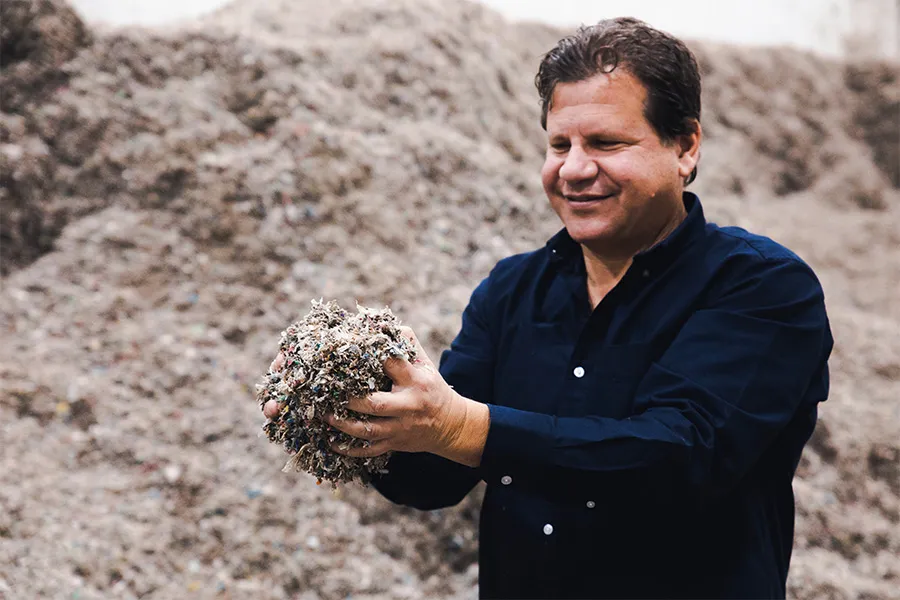
177 kg per person. That was the average amount of packaging waste produced by each European in 2020. It adds up to a sizeable mountain of waste, but we can do something about it in three simple steps: reduce, re-use and recycle. It sounds good, and is easy to remember and put into practice, but to truly lead us towards a world without waste, we need something more powerful. A world without waste requires good waste management, which can be visualised, for example, using so-called waste hierarchies.
All waste hierarchies set out the optimum order of the available waste management options, with the aim of minimising environmental impact and retaining as much value as possible from the materials used. They can be viewed as a series of layers or filters: the top level captures (or prevents) as much waste as possible, leaving less waste to move on to the second level, and so on. The more effort put into the upper levels, the less need there is to rely on the lower, less desirable methods.
Let’s take a closer look at and compare two waste hierarchies that can help us move towards a world without waste. The Zero Waste International Alliance (ZWIA) hierarchy has seven levels: redesign, reduce, prepare for re-use, recycling/composting, materials recovery, management of residual waste, and incineration and waste-to-energy (unacceptable). The European Union’s Waste Framework Directive sets out five levels: prevention, preparing for re-use, recycling, recovery (including incineration where energy is generated), and disposal (including the use of landfill sites).
The two hierarchies are clearly very similar, but differ in how they rank landfill and incineration. The EU hierarchy favours incineration over landfill, provided that energy is recovered. Even so, incineration releases roughly twice as much carbon as the average electricity grid. Incineration does, however, require less land than landfill and also prevents methane emissions. The ZWIA hierarchy, by contrast, prioritises minimising landfill over incineration. Biological stabilisation is crucial in this approach to tackle methane emissions, alongside a careful assessment of opportunities for future waste reduction.
Any efforts to prevent waste from being generated are welcome. You can also reduce the waste mountain by avoiding purchases you don’t need. Could you borrow the item or buy it second-hand? If you really do need to buy a new product, pay close attention to the materials it is made from. For example, how much recycled material does it contain? What is its carbon footprint? And how recyclable are the materials at the end of the product’s life? Asking yourself these questions helps you create your own waste hierarchy.
A world without waste may still seem like a utopian ideal, but applying the guidelines set out in the waste hierarchy can take us a long way towards it. And if we also use the latest technologies to process the waste that is still generated and turn it into reusable materials, that ideal will be closer still.
Jack Bigio,
Co-founder and co-CEO of UBQ Materials
Question about this story? Ask your question
Keep following this
Get an email when a new story is published. No account needed.
- SubjectThe pen