Building bridges
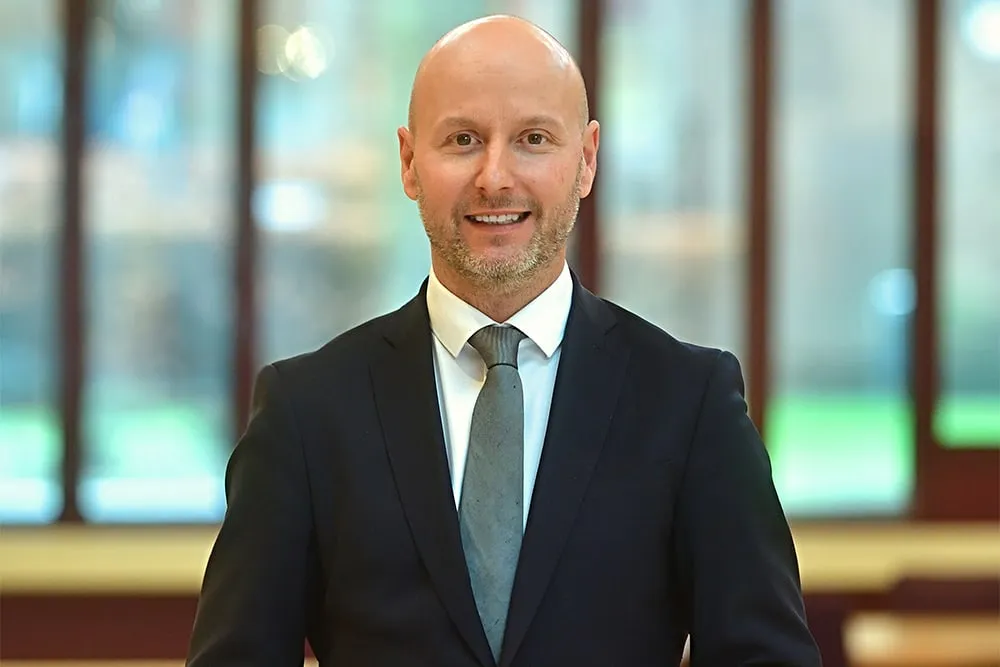
Companies at Chemelot have far-reaching plans to electrify. Plastics producer Sabic is investigating the possibility of electrifying its naphtha crackers, while fertiliser producer OCI wants to use green hydrogen to produce ammonia. A prerequisite is access to the green electricity generated by offshore wind farms, as well as an adequate supply of green hydrogen. This is more complex for a cluster that is not located by the sea than for the other four clusters.
We all use the plastics made by companies at Chemelot every day. Agriculture will also continue to rely on fertilisers to feed the Netherlands and the rest of the world. The site’s strength lies in all its plants being part of a single chain. The end product of one is the feedstock for another. And thanks to heat exchange, they do this very energy-efficiently. The site now faces the challenge of producing those same products in a different way, using circular feedstocks and sustainable energy. This requires retrofitting existing plants and building new links in the longer chain. Decarbonising the two main product streams, naphtha and ammonia, can make the entire chain more sustainable.
The close integration of the chain also means a high degree of interdependence. At the same time, the companies involved are international businesses with their own financial and sustainability objectives. It is good that the government has set clear targets for 2030 and 2050. But in my view, measures of this kind will not automatically make industry more sustainable. Those decisions are ultimately made in company boardrooms. Companies, in turn, need certainty on matters such as permits and access to green electricity and molecules. These are all issues that play out mainly beyond the factory gates.
The key task of a coordinator is to enable decisions to be made. That starts with gathering and sharing information in the right way so that informed decisions can be taken. Our team then translates this into action: comparing figures and making agreements concrete. What do we mean by speeding things up? What constitutes an intention? When will work actually start on site? What does it take for a project to succeed, and when will you scale up? If we share the same goals, we will also know when they are at risk. It is difficult to keep track of everything in detail, but I can certainly intervene if projects look likely to run into trouble. The cluster managers have a direct line to senior civil servants and can raise bottlenecks in legislation and regulations, permits or funding instruments.
In the meantime, there are already some promising plans to make Chemelot more sustainable. Sabic is already using chemical recycling to produce plastics, and RWE has plans to convert household waste into hydrogen. Utilities supplier USG already uses an e-boiler to produce steam. The site has everything it needs to make the energy and feedstock transition a success. The challenge is to learn to navigate the uncertainties that come with this kind of system transition. That starts with trusting that others have good intentions.
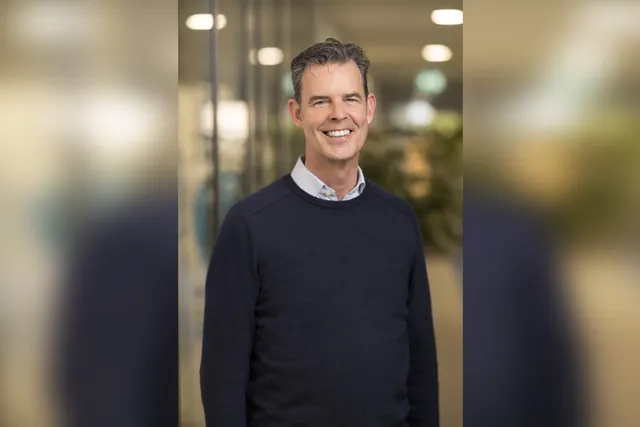
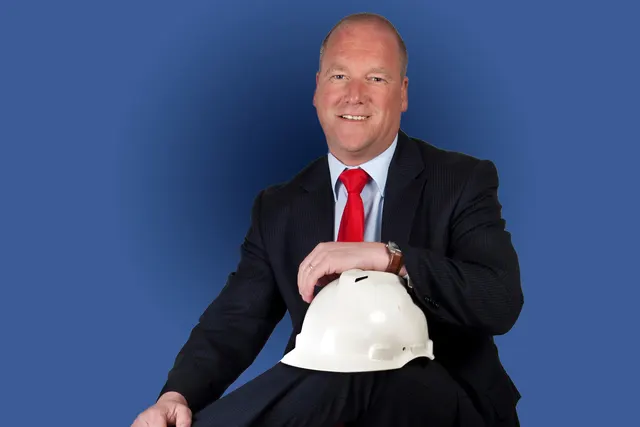
Mark Verheijen,
Chemelot Cluster Coordinator
Question about this story? Ask your question
Keep following this
Get an email when a new story is published. No account needed.
- ThemeMaking plastics and packaging circular
- SubjectThe pen