












The hits and misses at every stage of the circular economy
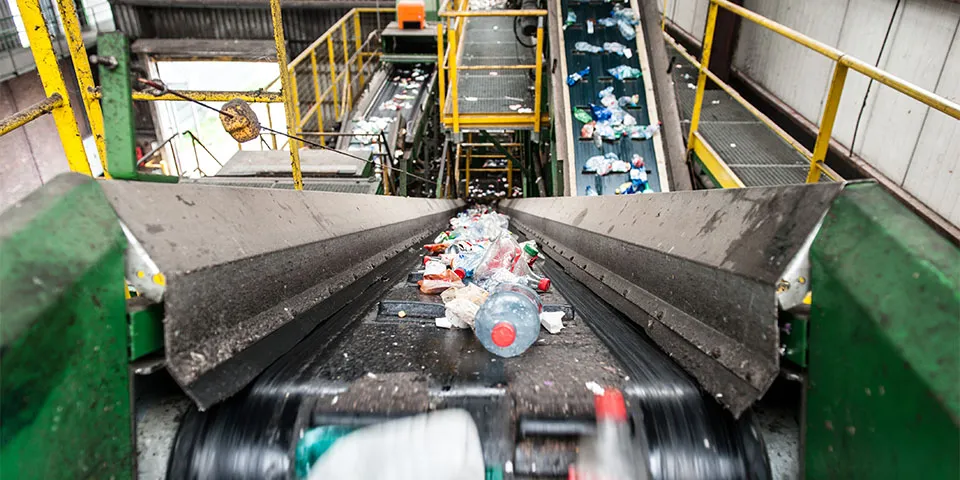
Recycling is central to a circular economy, ensuring that products and their components are put to useful use time and again. This is only possible if careful decisions are made at various stages in a product’s life cycle. Belgium has many leading circular examples: product developers that pay attention to ecodesign, companies that make products using recycled materials, initiatives that encourage the separate collection of different waste streams … But for every good example, there are plenty of failures too. Every year, billions of tonnes of new products that cannot be recycled enter the market worldwide, made without separately collected materials and not collected separately at end of life … This feature highlights some impressive achievements and challenges at every stage of the circular economy, in other words: the hits and misses.
Hit: purple bag for P+MD
Alongside the usual PMD waste, the purple bag collects other hard plastics (yoghurt pots, butter tubs and vegetable trays) and soft plastics (films and bags). The first pilot projects in 2016 showed that more waste was collected separately and less residual waste was put out for collection. Pink bags are also used to collect additional plastics separately.
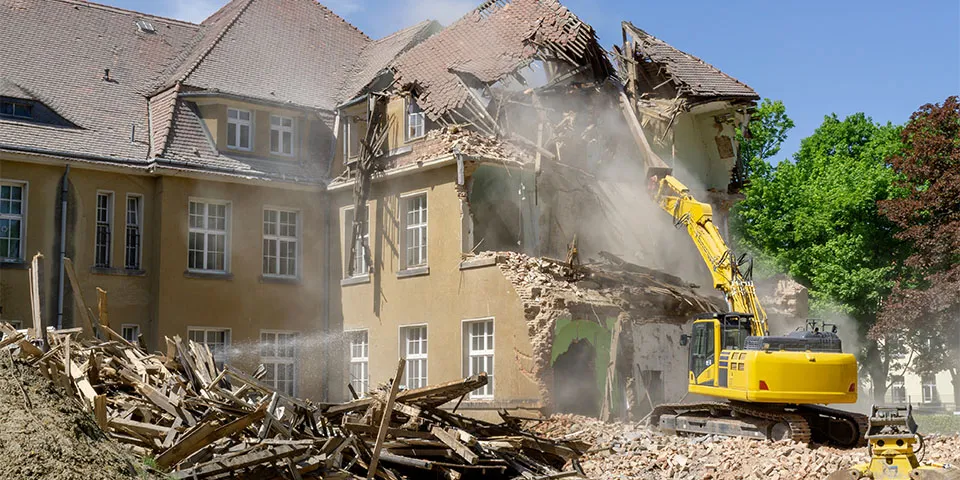
Miss: glass from buildings
Belgium recycles almost 100% of its packaging glass. But there is still potential to do more, particularly with flat glass. An estimated 50,000 tonnes of recyclable glass waste from windows is discarded each year because it is not kept separate at major demolition and renovation sites.
Question about this story? Ask your question
Keep following this
Get an email when a new story is published. No account needed.
- ThemeCircular business under changing regulations
- SubjectNews







