












The highs and lows at every link in the circular economy
Recycling is central to a circular economy, ensuring that products and their components are always put to useful use. This is only possible if careful decisions are made at different stages in a product’s life cycle. Belgium has plenty of excellent examples of circular practices: product developers who take ecodesign into account, companies that make products from recycled materials, and initiatives that promote the separate collection of different types of waste. But for every good example, there are plenty of failures too. Every year, billions of tonnes of new products that cannot be recycled, contain no separately collected materials and are not collected separately still reach the market worldwide. This section showcases some impressive achievements at every link in the circular economy, as well as some challenges, or in other words: the highs and lows.
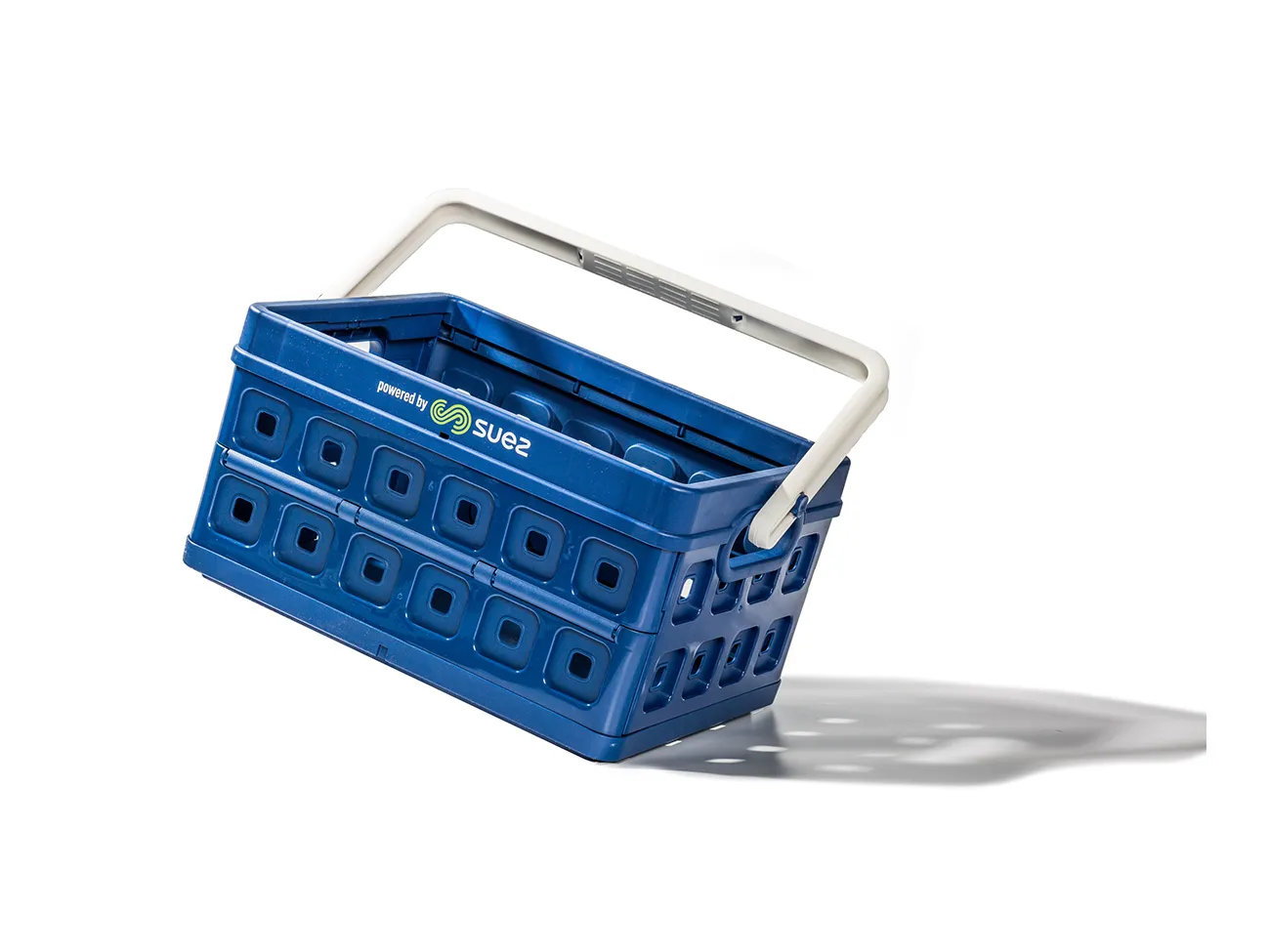
High: recycled folding crate encourages reuse
Recycling can encourage reuse. SUEZ, for example, developed a plastic folding crate made from household packaging waste sorted by the company. Polymer recycling company QCP then turns this packaging into the raw material for the folding crate, which families can use to carry their shopping sustainably.
Low: technological obsolescence
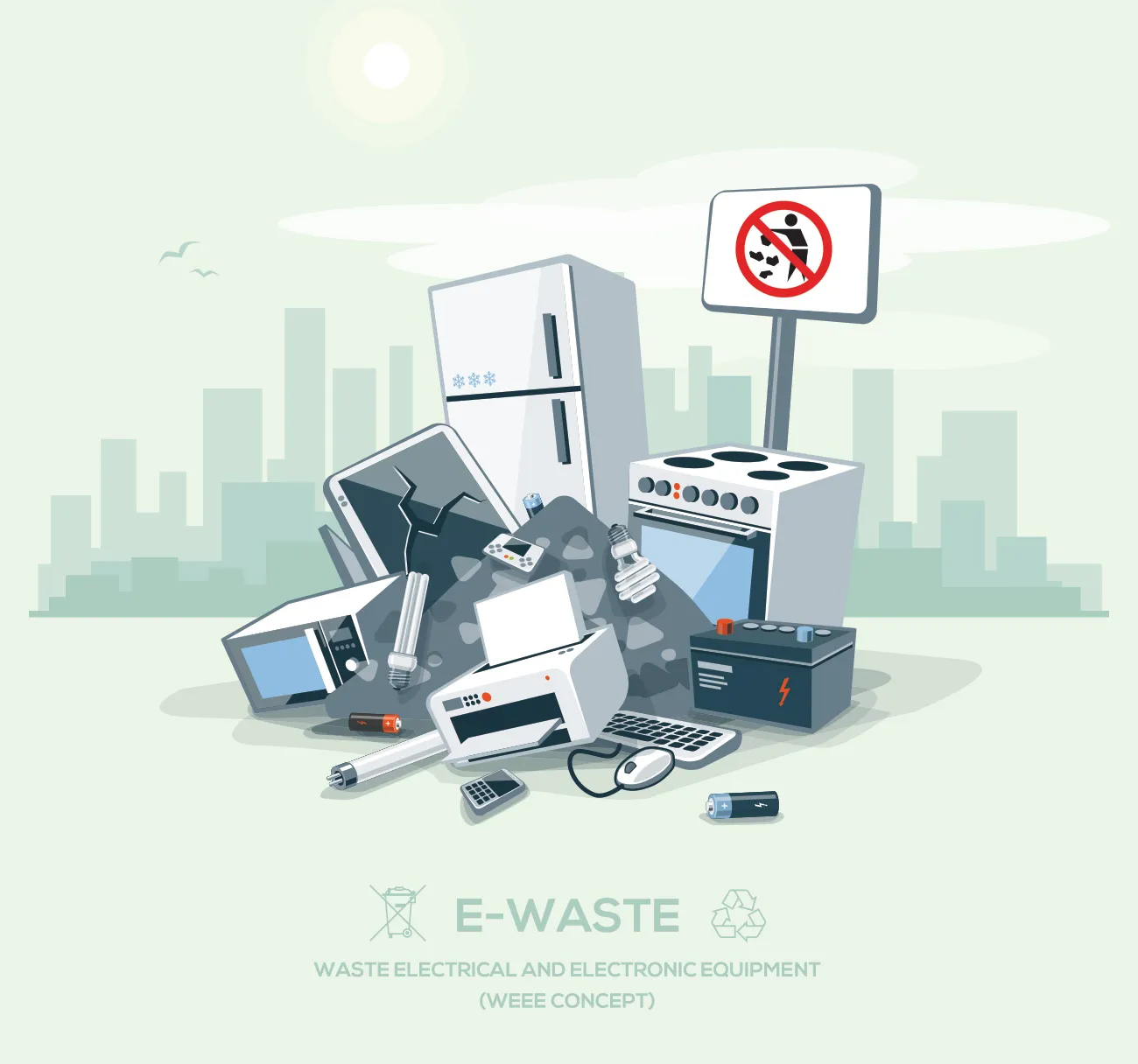
Electrical appliances that suddenly break down just after the warranty expires? Printers that stop printing after a certain number of pages? Unfortunately, there are several examples of products with a very limited service life.
Question about this story? Ask your question
Keep following this
Get an email when a new story is published. No account needed.
- ThemeCircular business under changing regulations
- SubjectNews







