












The evolution from recycling to materials management
Text Valérie CouplezImage Indaver
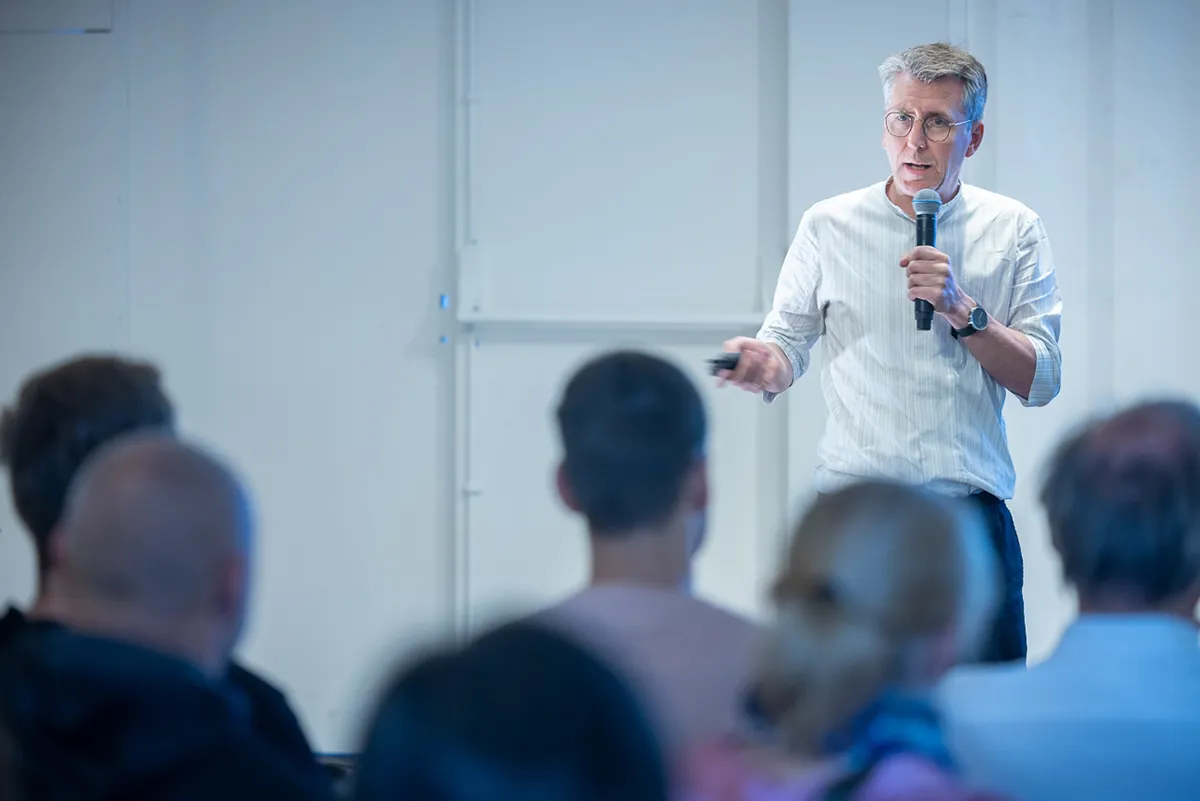
Karl Vrancken is currently Chief Sustainability Officer at Indaver. His career has always taken him to the intersection of research, industry and policy, at VITO, various government bodies and the University of Antwerp, but always focusing on waste and reuse. “I also believe the circular economy needs the convergence of knowledge about technologies, policy and the various stakeholders. At Indaver, I now have the opportunity to put that to the test in practice. In a way, this brings me full circle. After completing my PhD, I spent some time at Seghers Engineering. There, I helped build Indaver’s first large-scale incineration plant in Doel.”
The social relevance of recycling is what kept him closely involved in the sector all these years. “We started with a problem, waste, and the risks it poses to health. Since then, the story has broadened to include recovering valuable materials and recognising their value. The issue of substances of very high concern, such as PFAS, is interesting because it brings health right back to the fore. We cannot simply reuse everything. There are still contaminants that we must permanently remove from the system, from society. Even in a circular economy, this incineration plant will serve a purpose, and Indaver will have a role as gatekeeper.”
More than a gatekeeper
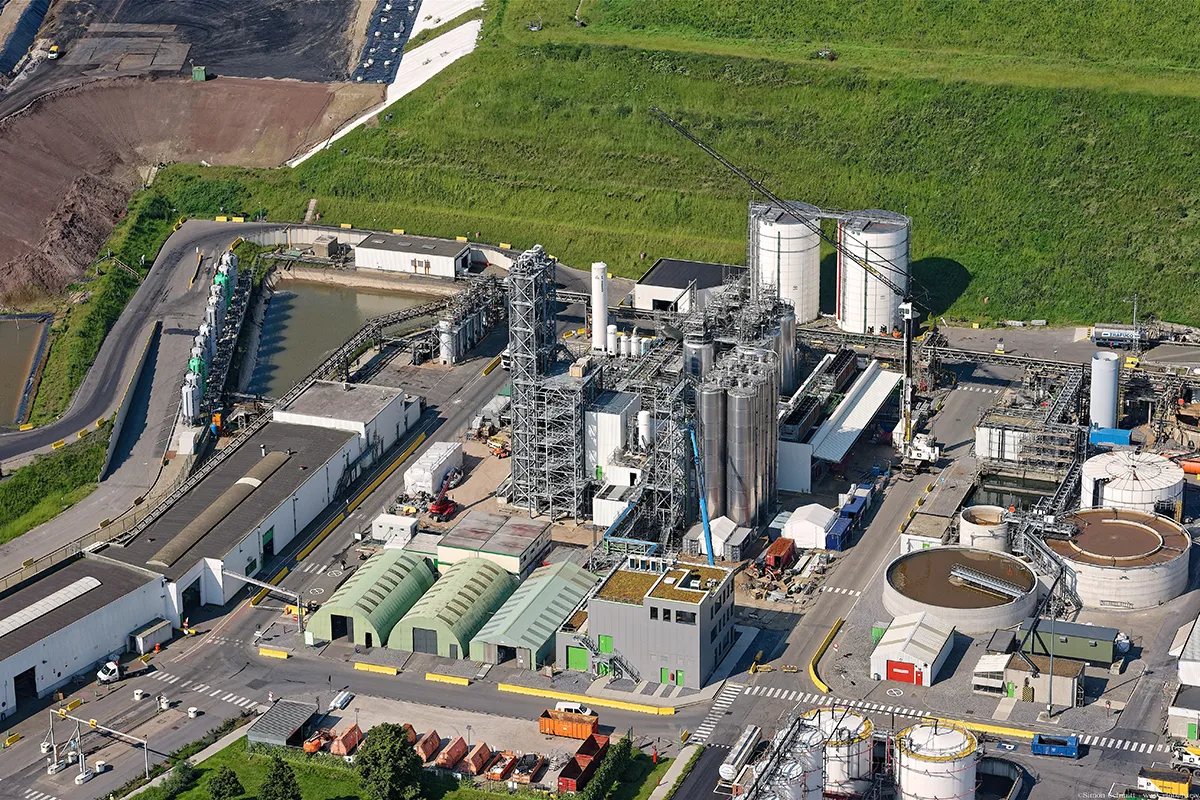
Over the past few years, Vrancken has seen the circular economy, in its broadest sense, evolve from a concept into policy. “Above all, we must not define it too narrowly. A little recycling is not enough to produce and consume sustainably. If we want to transform the existing linear economy, reuse must also take centre stage. These ideas are becoming increasingly embedded beyond the sector. Car-sharing schemes and second-hand shops are now a permanent fixture on our streets. The younger generation has grown up with them. That is why we in the sector must keep innovating. Indaver also wants to be an enabler by focusing on recycling and reuse. A good example is the Plastics2Chemicals plant, which converts plastics back into basic feedstocks for the chemical industry.”
A digital revolution is needed
Vrancken sees long-term potential for developing more service-based models. These depend not only on the product, but also on the app used to access it. “The recycling industry has not embraced digitalisation enough. We can track parcels better than waste, and that is not right. The idea of reuse will become more important, and that will require a digital revolution to track where reusable materials are,” he says with conviction. “That applies to recycling, too. For example, alongside recovering critical materials from solvents, we could also offer ‘solvent leasing’. Recycling
companies would supply clean solvents and take back contaminated streams to process them into clean solvents. The customer pays for the service, rather than buying solvent. Concepts like these are in development, and their success depends on the quality of the digital support linked to the service. The more advanced recycling becomes, the more complex this will be. But linking digitalisation and circularity is essential if we want to strengthen the resilience of our materials system.”
Thinking in value chains
We now have to compete, and the recycling industry is no exception, with ultra-cheap virgin materials from China. “If we can deliver high-quality materials, the distinction between primary and secondary raw materials will continue to fade. We must therefore manage the materials we have ourselves in a sustainable way. If we can keep them here, we can also preserve our economic fabric. We will need to think more in terms of value chains to achieve that ambition. That is why Indaver is a member of essenscia. The recycling industry certainly has an important role to play in the future as a manager of materials.”
Question about this story? Ask your question
Keep following this
Get an email when a new story is published. No account needed.
- ThemeCircular business under changing regulations
- SubjectNews







