












Taking ship waste processing further
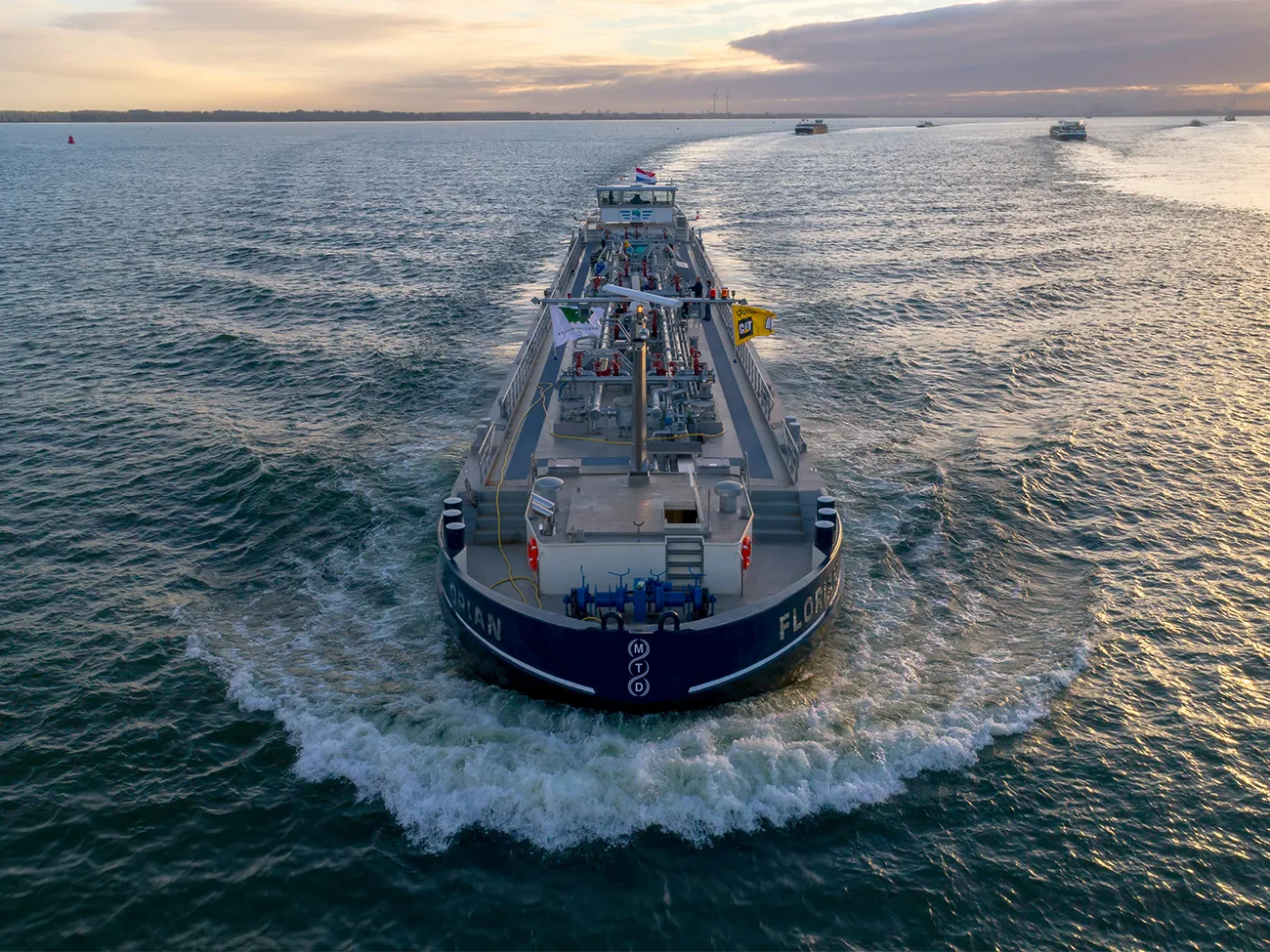
The Port of Antwerp relies on private companies to operate its port reception facilities. One of them is MTD Maritime Services and Port Reception Facility, which offers a comprehensive range of services to ships calling at Antwerp.
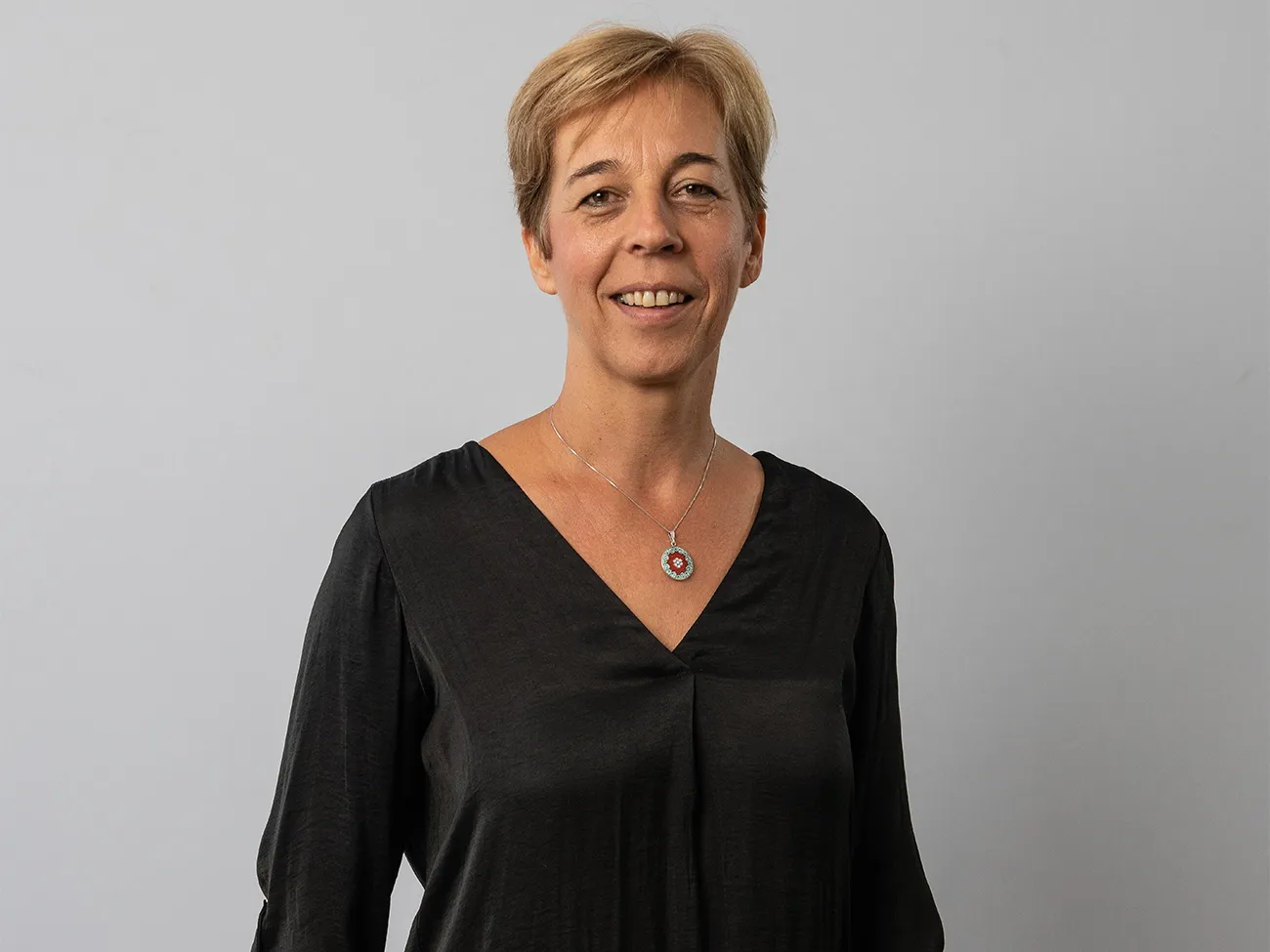
The focus is on collection, whether ashore or on the water, but above all on treating wastewater streams and processing the recoverable fractions they contain into new raw materials. MTD can treat 90 to 95% of the waste itself. “Innovation is our strongest weapon,” says general manager Marga Hauttekeete. “We want to maximise the value of all the fractions we recover and help build a circular economy.”
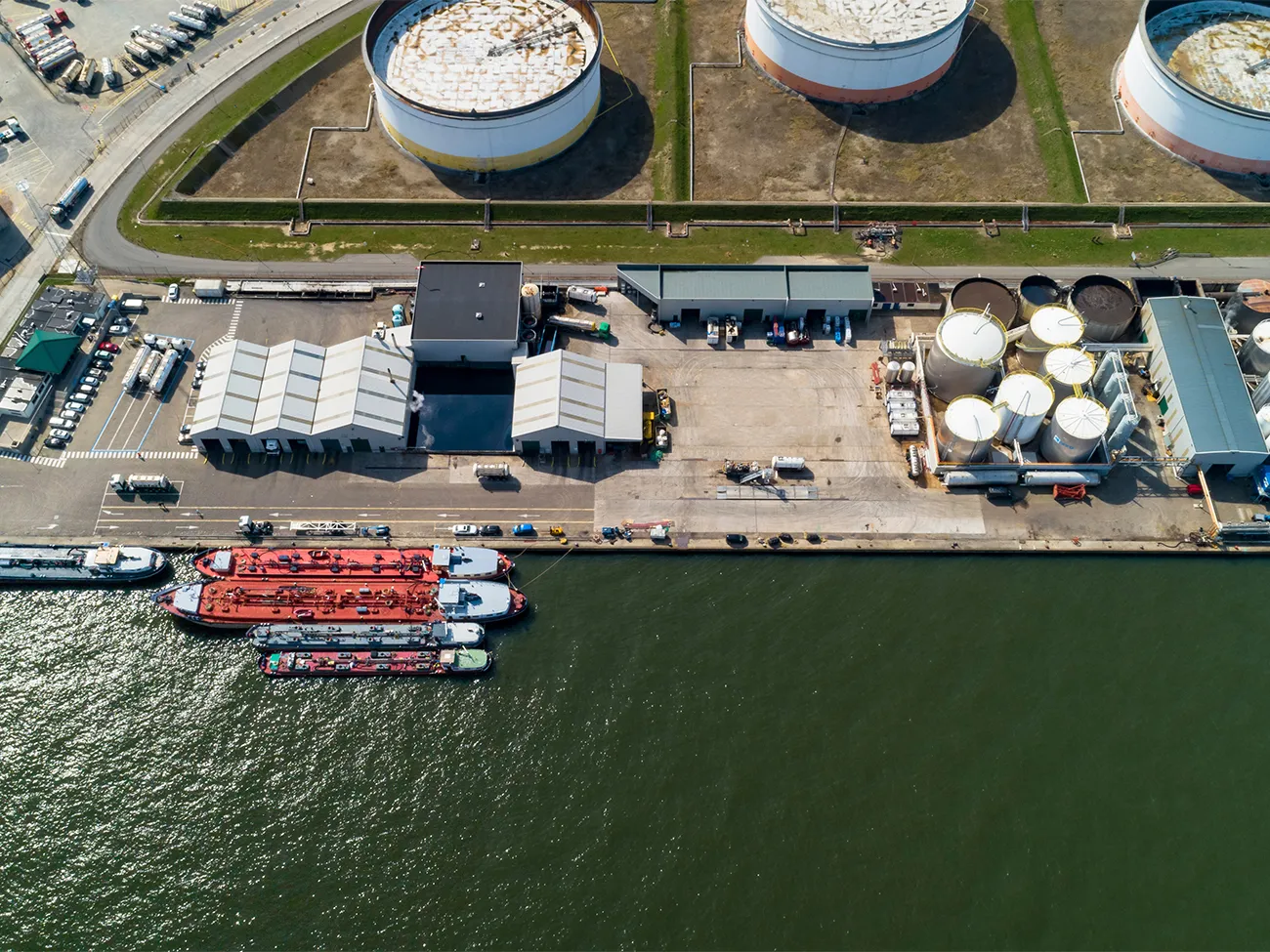
With a workforce of 25 and its own fleet of six collection vessels, MTD serves ships with a combined 100,000 horsepower. This gives an indication of the dynamism of the family business, which has established itself as a leading player in the Port of Antwerp and other Flemish ports. Ships can turn to MTD for a range of services: waste collection on board, supply of provisions and stores (food, spare parts …), gas-freeing and, more recently, cleaning of inland vessels. “We are seeing increasing attention being paid to ship and cargo emissions in the regulatory framework. By joining industry federations such as Denuo and Euroshore, we keep abreast of developments, follow constantly changing legislation closely and make the right strategic choices. A family business has the advantage of being able to respond quickly to opportunities in the market. We are currently also looking at how we can further optimise the treatment and recovery of wash water from bio-based fuels. Since January 2021, these highly viscous substances, classified as ‘persistent floaters’, have no longer been allowed to be discharged at sea. We are investigating how we can process these streams for the biodiesel industry.”
Processing 2 million tonnes of sludge
Most of the company’s activities today still involve the collection and treatment of engine room sludge. “Although the shift towards cleaner marine fuels is under way, with the permitted maximum sulphur content reduced to 0.5%, scrubbers being installed on board for exhaust gas cleaning and LNG vessels entering service, shipping will continue to rely mainly on heavy fuel oils in the years ahead. A fleet cannot be replaced overnight,” says Hauttekeete. The global maritime sector consumes 300 million tonnes of these fuels every year. When this fuel is used, an average of around 2 to 3% of it remains as residue on board, known as engine room sludge. “Very large container ships produce around 2 to 3 m³ of sludge a day. It falls under Annex I of the Marpol regulations (wastewater contaminated with mineral oil derivatives) and must be removed from the ship via port reception facilities. This is a regulation that most shipping companies and ships comply with well. As Europe accounts for around 40% of worldwide ship calls at ports, this amounts to approximately 2 million tonnes of sludge collected and treated by European port reception facilities every year.”
Innovative treatment
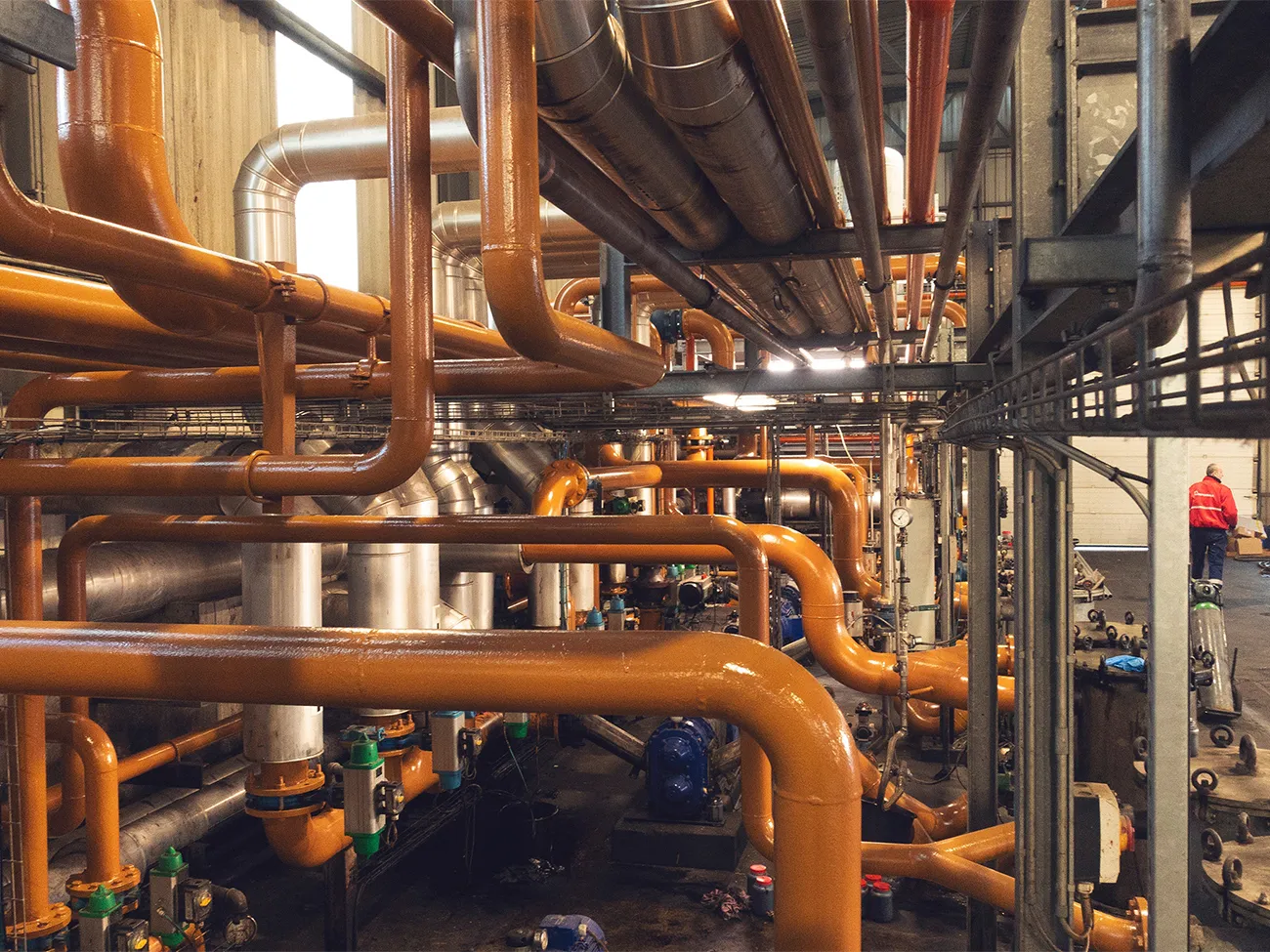
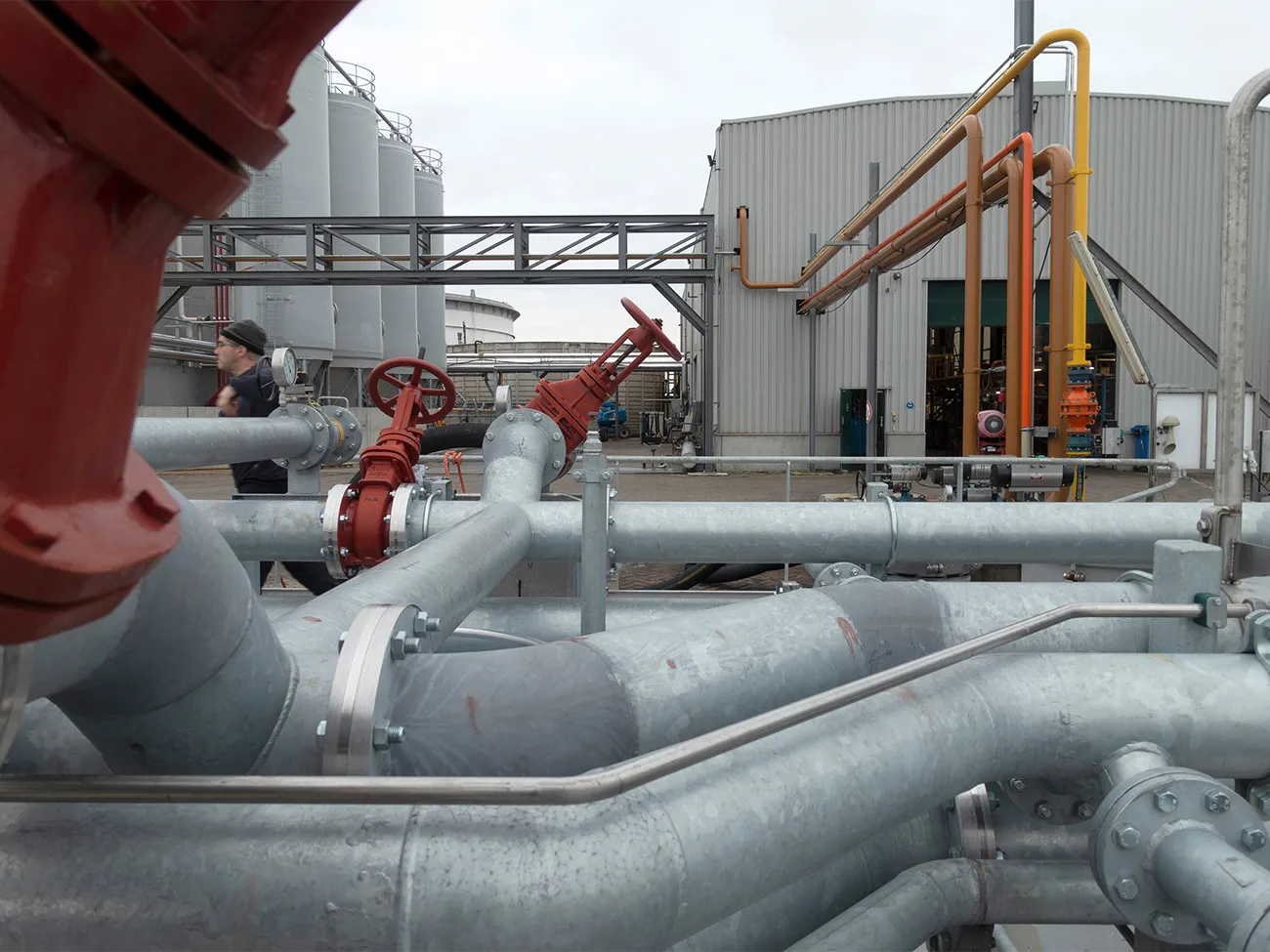
MTD not only collects oily wastewater (Marpol Annex I) and various other cargo-related wash waters (Marpol Annex II), but also has efficient, innovative treatment facilities on shore. Hauttekeete says: “Every year, we treat around 150,000 m³ of wastewater from ships collected in the ARA area (Antwerp, Rotterdam, Amsterdam). Having ample storage capacity of 12,000 m³ is important for being able to operate flexibly. The port operates 24/7. It never stops.” Most of the wastewater delivered falls under Annex I and therefore contains oil derivatives.
To separate the oil and water fractions, MTD uses a series of physico-chemical treatments, after which the water phase undergoes further biological treatment at its own wastewater treatment plant. “We aim to maximise the value of the separated oil fractions. Traditionally, the dewatered ‘fuel oil’ fraction went straight to waste treatment facilities such as cement and lime kilns, or to companies able to process it further. In recent years, we have invested in innovative equipment and additional technologies to purify this fuel further and achieve end-of-waste status for the upgraded product. In time, this could bring a large proportion of the approximately 35,000 tonnes of fuel oil we recover each year back into the loop as a component of marine fuel, replacing primary fossil fuels. We are proud to have been the first port reception facility in Belgium to achieve this status,” says Hauttekeete.
Towards greater standardisation
However, the process was not without its challenges. “In principle, a European legislative framework sets out the conditions for achieving end-of-waste status, but each EU member state can interpret it in its own way. Given the complexity of assessing end-of-waste status, this may not be the best approach. Local authorities struggle to resolve the issue. Within the European industry federation Euroshore, efforts are under way to take further steps towards standardisation, with a call for end-of-waste criteria to be developed at European level for this specific oil fraction, found internationally and derived from the processing of ships’ fuel oil. It would be better to pool expertise in this area, bringing greater consistency and giving companies in the treatment sector more opportunities to maximise the value of their waste streams within a clear European legislative framework and a level playing field. What we do as an industry can ultimately save a great deal of irreplaceable crude oil,” Hauttekeete concludes.
Question about this story? Ask your question
Keep following this
Get an email when a new story is published. No account needed.
- SubjectNews







