












Smart energy management and sharing for better value creation
Text Valérie CouplezImage BEE
If we want to keep our energy bills under control, we should not just mutter short prayers that the war in the Middle East will finally be over. We can also look at how to get the most out of the energy available to us, for example by managing it more intelligently or sharing it. Pallieter Muyldermans, director Origination & Sales at BEE, explains what this involves and when it could be of interest to recycling companies.
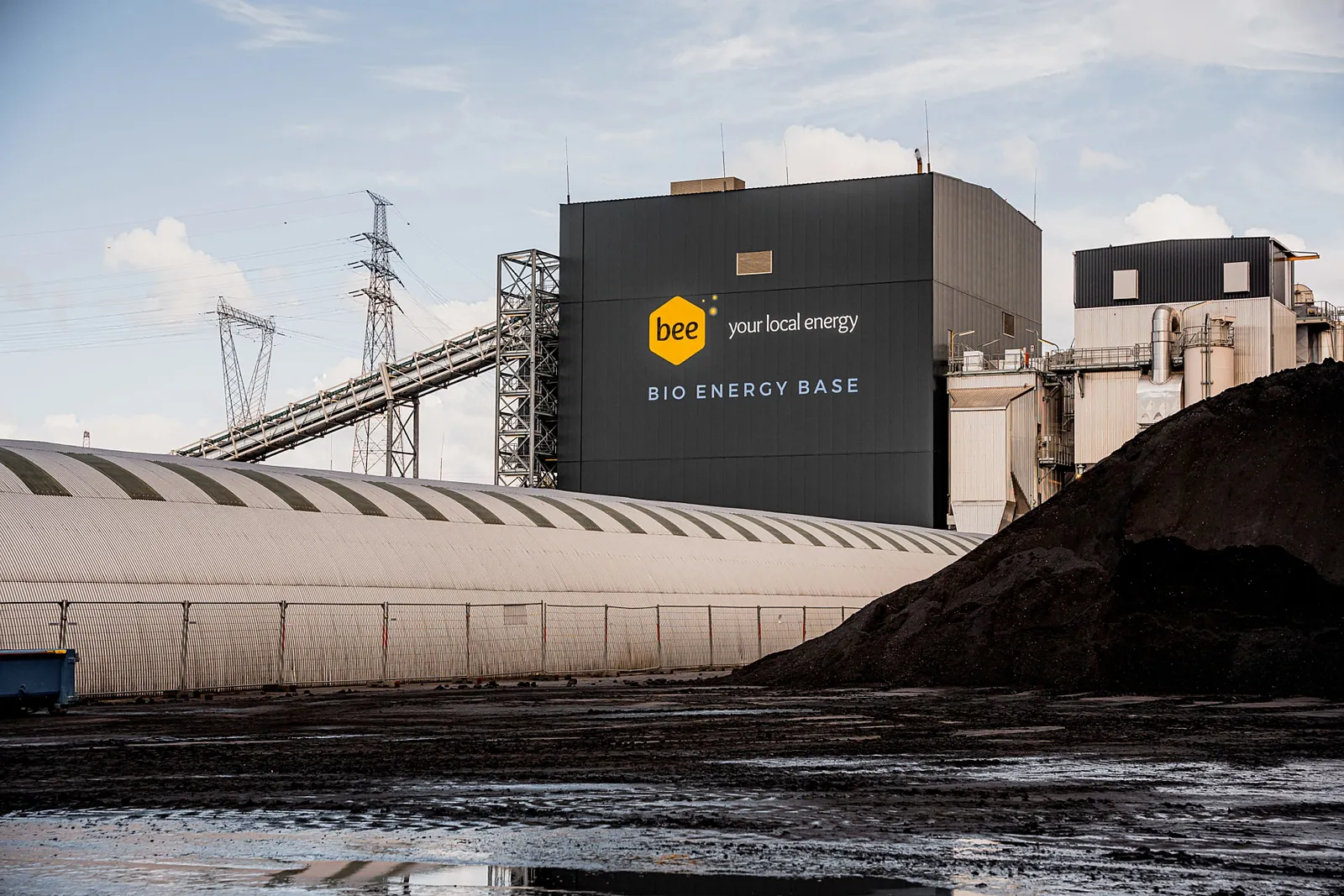
BEE was established in 2010 and stands for Belgian Eco Energy. “What makes us unique is that we are 100% Belgian and fully vertically integrated. That means we generate and supply energy locally, exclusively to B2B customers. Most of the energy comes from the biomass plant in the port of Ghent. It generates 20 MW of electricity and 30 MW of heat by burning waste wood. This is supplied 24/7 to major consumers via a district heating network. We focus on transparency and expertise. Our vertical integration means we can advise customers on whether investing in their own assets would be profitable. BEE carried out this assessment for the Chimay brewery, too. “The 5,200 MWh/year of energy we generate there with our wind turbine (BEE funded the 3.3 million euro investment itself) is used directly to bottle the famous Trappist beers, with the surplus fed into the grid.”
Responding to the imbalance market
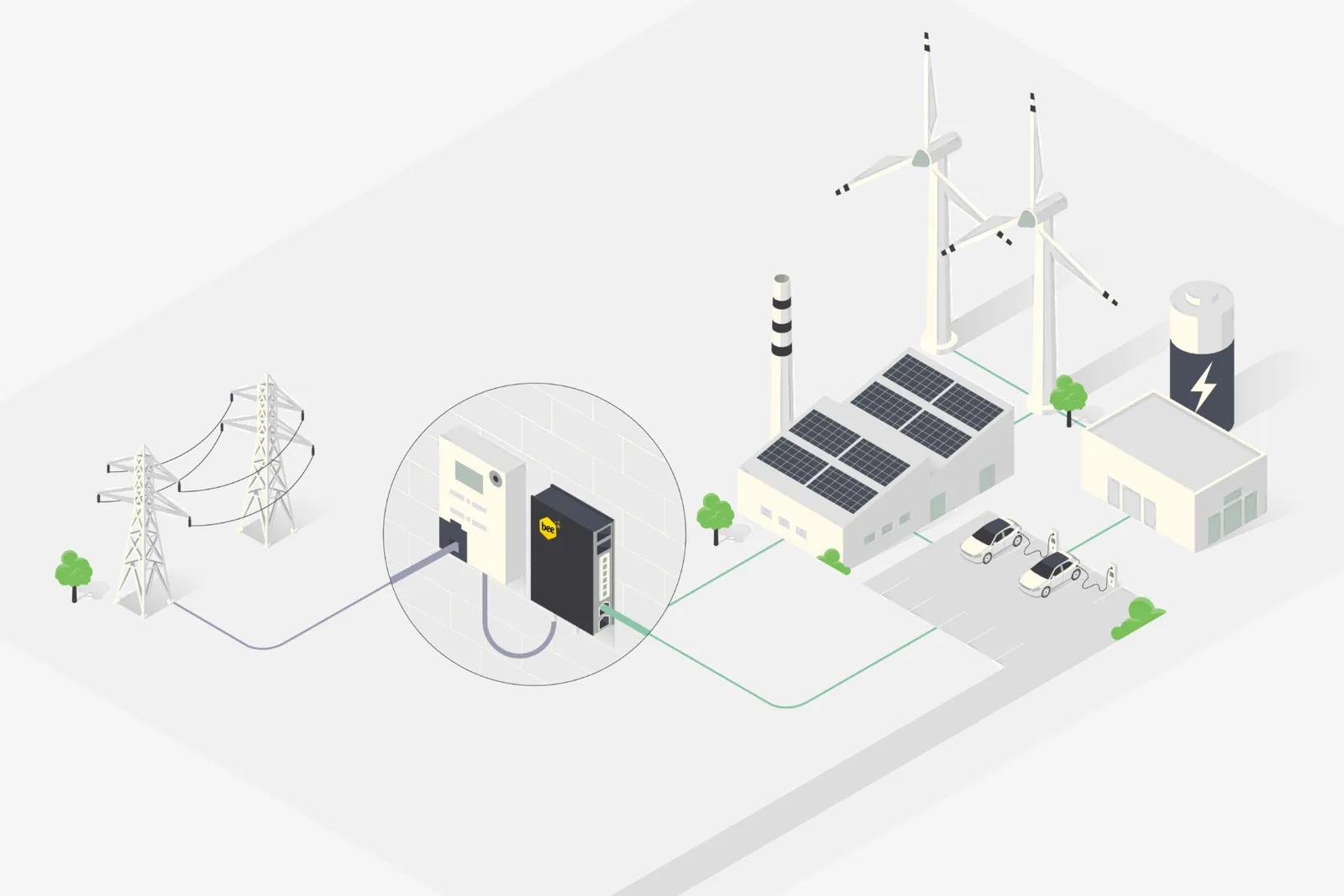
According to BEE, we need to do more with these surpluses. The company is investing in smart management of both its own assets and those of its customers. “Grid operator Elia has to ensure that the energy generated and fed into the grid matches consumption at every second. This is difficult to predict and normally leads to deviations, for example when there is more or less sunshine than the weather forecast predicted. We call this difference the grid imbalance. A price is also assigned to it, which means the price of electricity can vary every quarter of an hour.” According to Muyldermans, this presents opportunities for companies that have the flexibility to adjust their energy use. “They can manage that energy intelligently to respond to periods when there is too much or too little electricity. In return for a fee, they allow us to connect to, for example, their solar PV installation or battery, so we can switch it on or off. This can also be a tool for tackling grid congestion.”
Sharing energy in real time
The other option is energy sharing. It is not yet widely used, but is gaining popularity. “The idea is to make your surplus energy available to another user instead of feeding it into the grid. The simplest example is a company with several sites but only one wind turbine. It makes the energy from that turbine available to its other sites in real time. This is done at a fixed price and for a fixed term. It is a good way to get more value from your assets.” Other benefits include traceability and budget certainty. As mentioned, the exchange takes place in real time. “Ideally, this is not about surplus energy at midday, when there is too much electricity, but in the morning or evening. In practice, this means that energy sharing is currently mainly of interest to large installations.”
Heat as a service
BEE advises its customers on how to get the most out of their own energy sources and optimise their consumption. Muyldermans also sees a future for ‘heat as a service’. “Many manufacturing companies have hot water buffers, often gas-fired, which can result in a huge bill. A smarter approach is to heat the water according to electricity prices. That will be the next big thing,” he predicts.
Question about this story? Ask your question
Keep following this
Get an email when a new story is published. No account needed.
- SubjectNews







