












Plastic recycling between crisis and capacity shortages
Text Kris VandekerckhoveImage Leonie Swauwaert, iStock
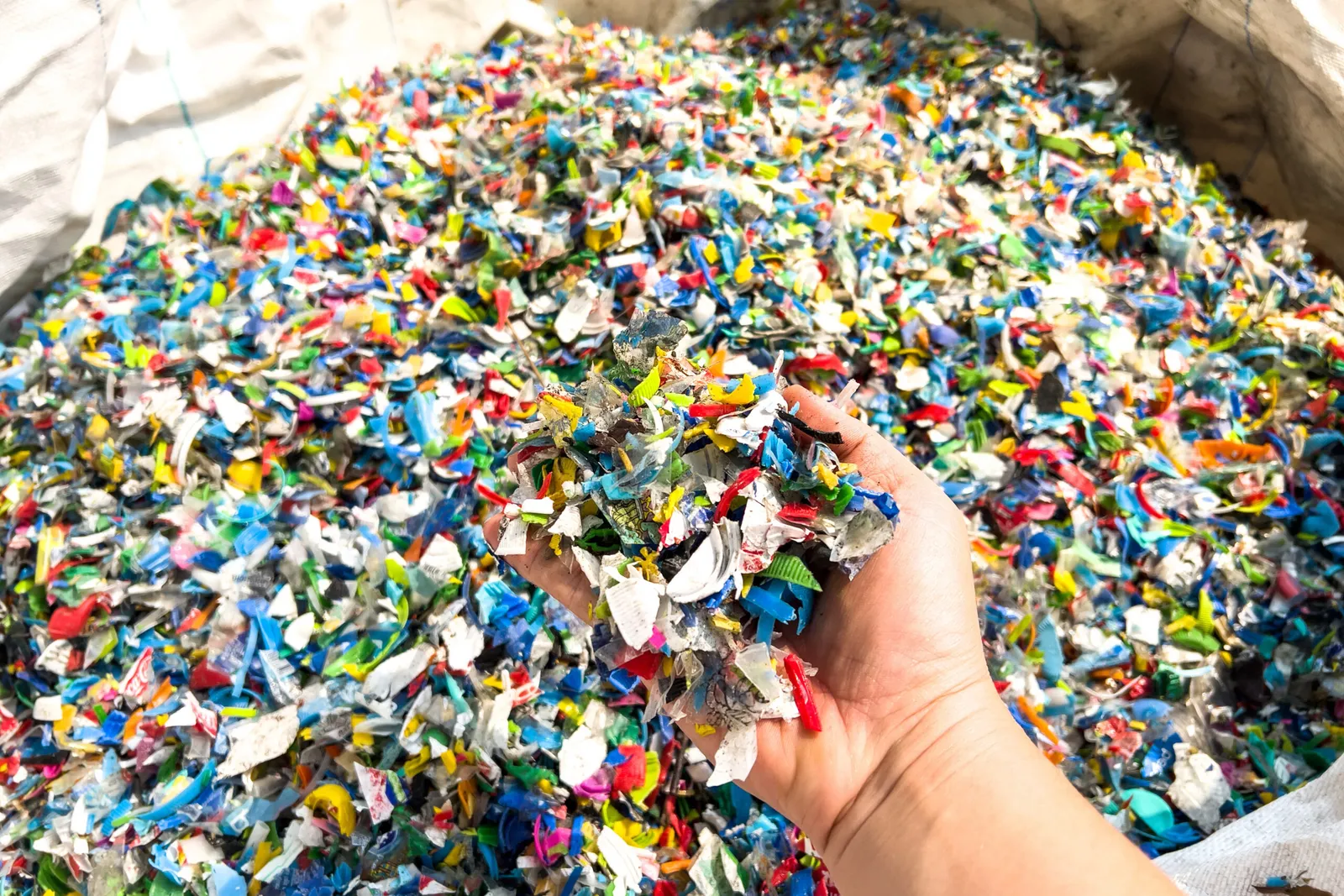
Europe’s plastic recycling sector is in a paradoxical position. As Europe sets increasingly demanding obligations for the use of recycled material towards 2030, the sector is under severe economic pressure today.
Low prices for virgin plastics, international competition, and high energy and investment costs are squeezing recyclers. At the same time, recycling capacity is disappearing when it should be expanding.
A perfect storm for recyclers
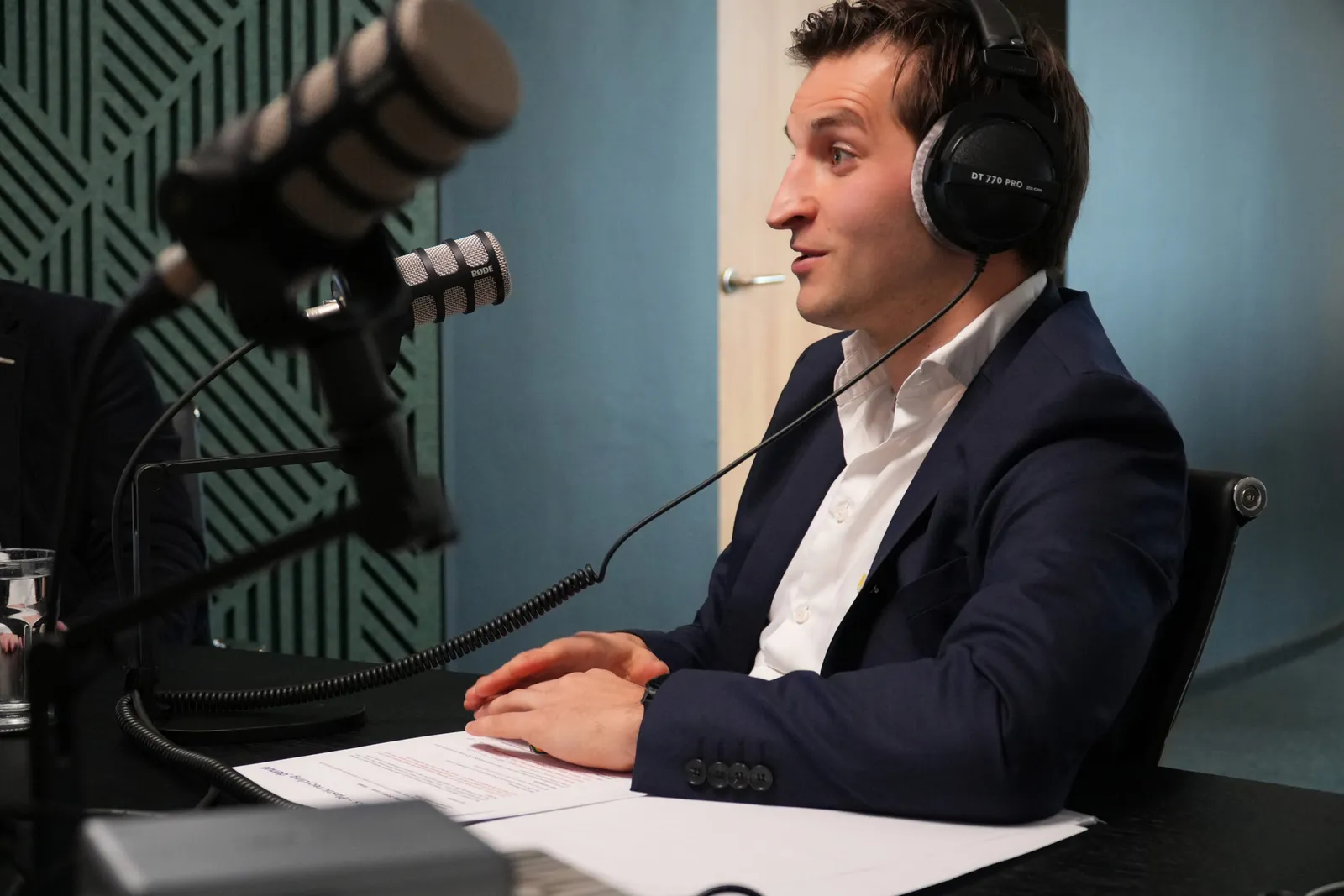
According to Eric Van Roekel (Van Werven Plastic Recycling Holding), the market is currently shaped by a fundamental pricing problem. Recyclers are caught between the costs of collection and processing on the one hand and competition from cheap virgin plastic on the other: “When virgin material is cheap, recycled material cannot cost more. At the same time, we cannot raise the price at the front end, because then the material flows go to incineration or landfill. That mechanism is completely out of balance today.” International competition adds to the pressure. Recyclers in Europe face higher energy prices, stricter regulations and higher labour costs than producers of new plastic elsewhere in the world. Vanheede Environment Group is also finding that market demand is becoming more challenging. Jeroen Blancke points to the sales of recycled plastic streams, especially darker colours: “Demand for lighter colours remains fairly stable, but the market is clearly becoming more difficult for darker grades. This is mainly due to price pressure and the large supply.”
Capacity is disappearing when it is needed
The economic pressure is having tangible consequences. Almost one million tonnes of recycling capacity have disappeared in Europe in recent years. Blancke says this is a worrying trend: “While Europe needs more recycling capacity towards 2030, companies are shutting down today. That is a dangerous development.” Van Roekel agrees. The sector should actually be scaling up quickly, he says, but in practice everything is at a standstill. “We know that we will have to recycle more in the future. But many companies are in a difficult position today. As a result, we risk losing capacity that we will badly need later on.”
The paradox on the road to 2030
European regulations require producers to use a certain percentage of recycled material in new products by 2030. But the sector says preparations for this target are progressing slowly. Blancke points out that millions of tonnes of additional recycling capacity will be needed to meet these obligations: “Looking at the planned recycled content targets, certain plastic streams will need an additional five to six million tonnes of capacity.” Yet companies are still not doing enough to anticipate this future demand. Economic uncertainty makes investment difficult, while financing is often a problem.
From recycling to circularity
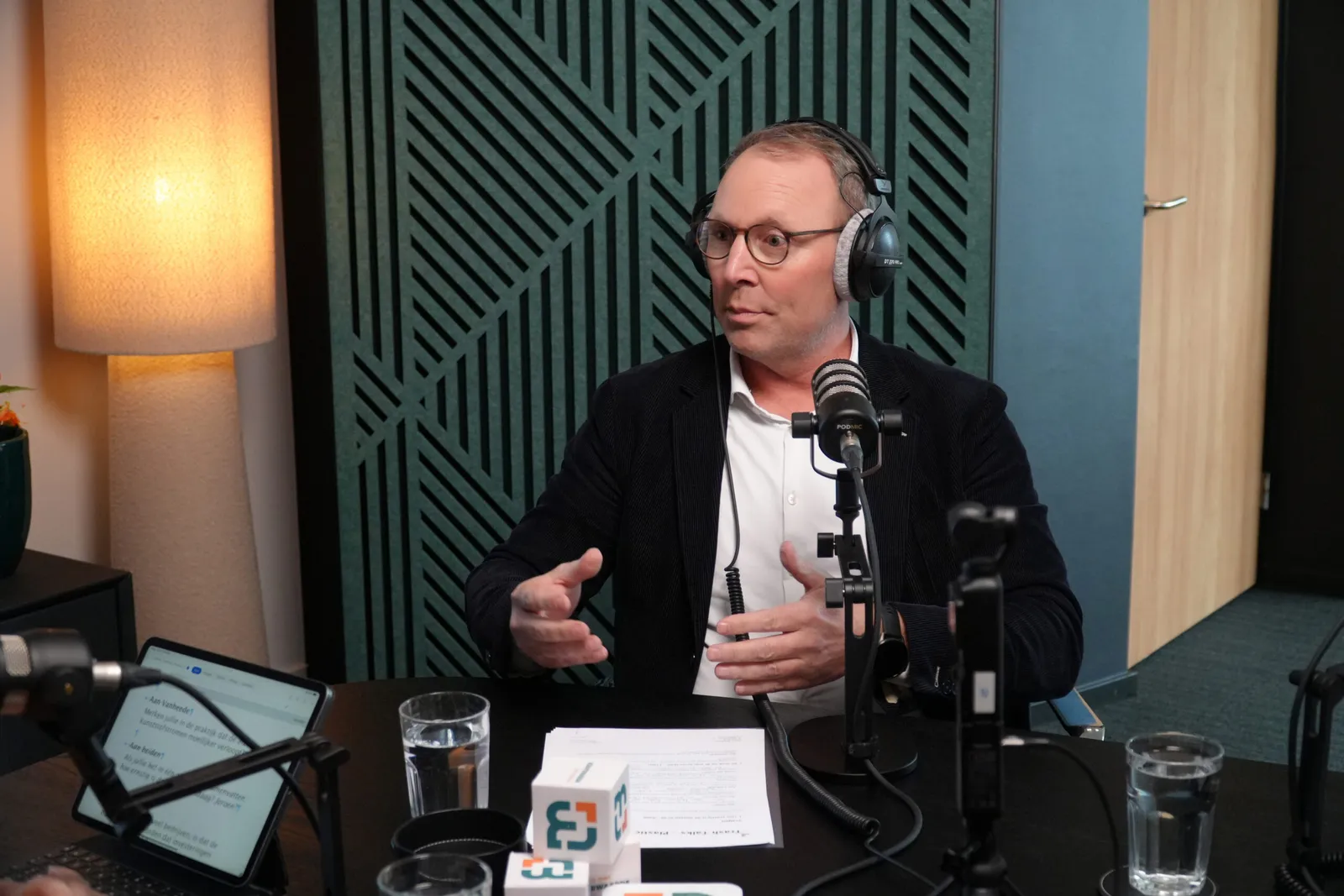
Alongside the economic challenges, there is also a debate about priorities. Blancke says the focus today is too heavily on recycling rates, when circularity should really be the goal: “For years, we have looked at the recycling rate: how much material do we collect and process? But the real question is: does that material go back into the same applications?” This means that producers and brand owners also need to play a bigger role in the circular chain. After all, the circular economy cannot function without demand for recycled material. Van Roekel sums it up sharply: “We have almost built a circular economy, but with a linear ending. Everything is collected and recycled, but if the material is not used again, the loop still comes to an end.”
A need for clear decisions
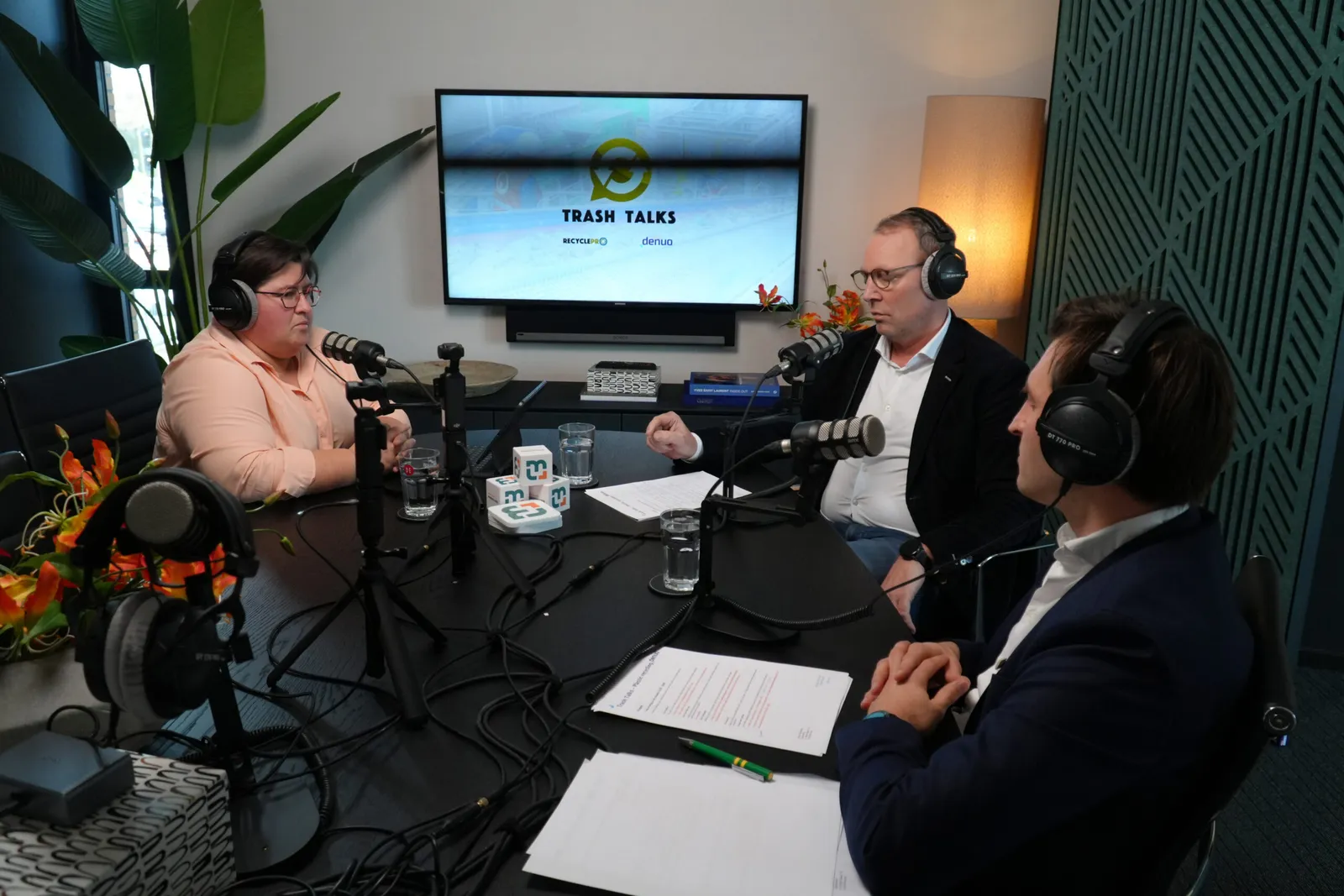
The sector is therefore calling for clear policy decisions. A gradual recycled content requirement, for example starting at a low percentage and increasing over time, could help get the market moving, both speakers say. “If there are clear rules, the sector can invest,” says Van Roekel. “But companies need stability to take those steps.” Despite the difficult market conditions, both speakers remain cautiously optimistic. Cooperation within the sector is growing, and awareness of the urgency is increasing. Blancke says: “There is growing momentum between all the links in the chain. That gives us confidence that we can take steps together towards genuine circularity.”
Een zakelijke vraag aan Van Werven plastic recycling? Get in touch
Companies in this story
Keep following this
Get an email when a new story is published. No account needed.
- ThemeMaking plastics and packaging circular
- SubjectNews
- CompanyVan Werven plastic recycling







