












OVAM maps pesticide residues in Flemish soil for the first time
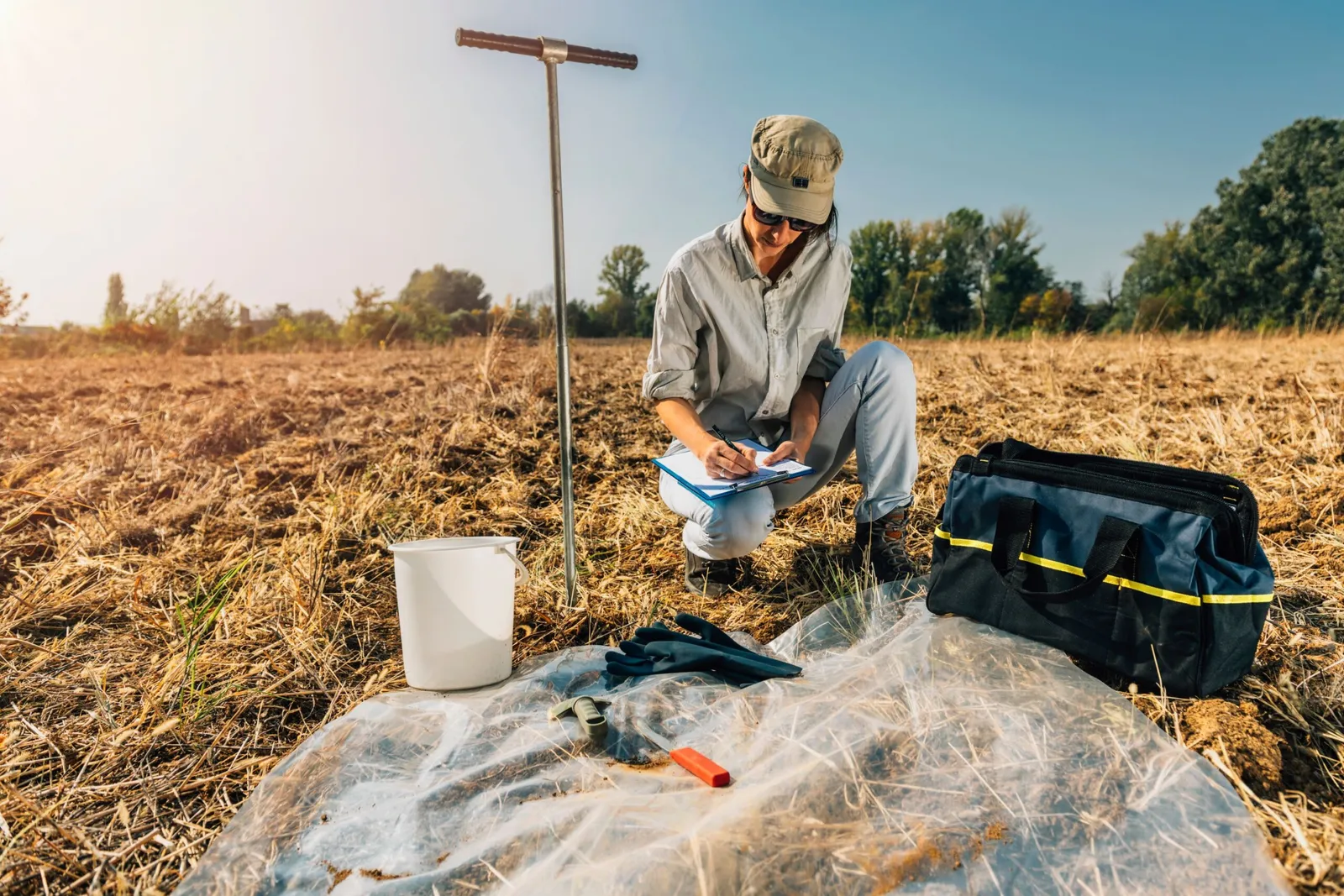
In an exploratory study covering 100 sites in Flanders, OVAM has mapped the impact of pesticide residues in Flemish soil for the first time. Pesticide use was less tightly regulated in the past, but has been heavily restricted in recent years. Alongside monitoring in food, surface water and groundwater, it is also important to build a picture of the situation in soil. The study aimed to establish which substances are still present today, at what concentrations, and where further monitoring would be most useful. OVAM found traces of at least one pesticide or pesticide breakdown product in 44% of the soil samples tested, but in every case concentrations were below the screening values. Elevated concentrations of certain old, now-banned pesticides, such as DDT and related substances, were found in a few private gardens. These could potentially pose a health risk if eggs from home-kept chickens were consumed. In view of the reassuring results, the research report recommends continuing targeted sampling and monitoring.
In January 2026, OVAM, in collaboration with research organisation VITO, took 118 samples at 100 sites in 26 municipalities across three highly contrasting regions: central West Flanders, the Noorderkempen and Haspengouw. The regions differ not only in soil type but also in their dominant crops
(potatoes, vegetables, fruit, …). The campaign covered agricultural plots, private gardens (including vegetable gardens), nature reserves, public green spaces and recreational areas. Most soil samples were collected from the topsoil layer (0-30 cm below ground level). At a limited number of sites, deeper soil samples were also taken. Sampling was deliberately carried out outside the growing season, primarily to detect residues that remain in the soil for longer.
Across all analyses, at least one pesticide or metabolite above the reporting limit was detected in 52 of the 118 samples (44%). At least two substances were found in 32 samples. These were mainly historical organochlorine pesticides, such as DDT and its breakdown products. These substances have not been used for a long time, but their persistence means they can remain in the soil for many years. Concentrations on agricultural plots were generally low. The highest levels were found in private gardens.
AMPA, a breakdown product of glyphosate, was also found in a number of samples. Glyphosate itself was detected less often. The broad screening for pesticides currently in use yielded only a limited number of detections.
There are no general Flemish soil remediation standards for pesticides in soil. Indicative screening values for historical organochlorine pesticides drawn up by VITO (and comparable to the Dutch RIVM screening values) gave no indication of a
potential exceedance of risk thresholds. However, exceedances were found in four private gardens in scenarios where eggs from home-kept chickens were consumed. No exceedances were found in scenarios where home-produced eggs were not consumed.
“This first exploratory campaign gives us a better picture of pesticide residues in Flemish soil. The results are largely reassuring and point to no general health risk.” “With targeted monitoring, we can now continue to track where further research would be most useful, including in private gardens.”
Werner Annaert, Director-General of OVAM.
The research report recommends further targeted investigation, particularly in private gardens. Persistent historical pesticides also require continued attention to potential hotspots, exposure risks and dispersal through soil movement.
Een zakelijke vraag aan OVAM? Get in touch
Companies in this story

Keep following this
Get an email when a new story is published. No account needed.
- SubjectNews
- CompanyOVAM







