RecyclePro is part of Louwers Mediagroep: 45+ trade platforms in the Netherlands, Flanders and Wallonia. Trade magazines, websites, newsletters, video and podcasts, since 1987.
The Dutch startup Asbeter is well on its way to solving the asbestos problem within ten years. At the same time, the technology developed by Asbeter helps to achieve a substantial reduction in CO2 emissions, while also eliminating the need to discharge acidic industrial waste streams. The technology also produces raw materials for clean building materials such as plaster. Late last year, the company received the Rabo Sustainable Innovation Award in the Circular Economy category for this reason.
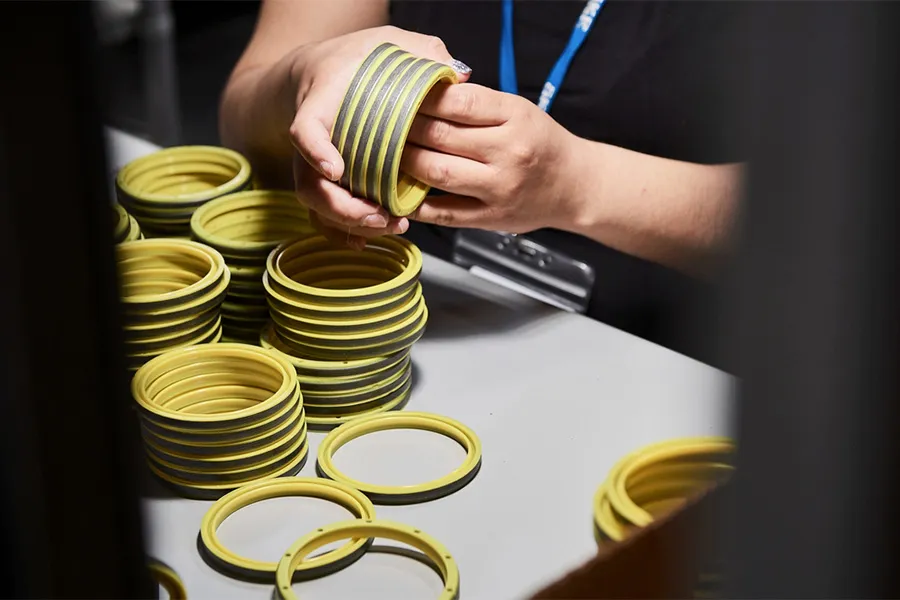
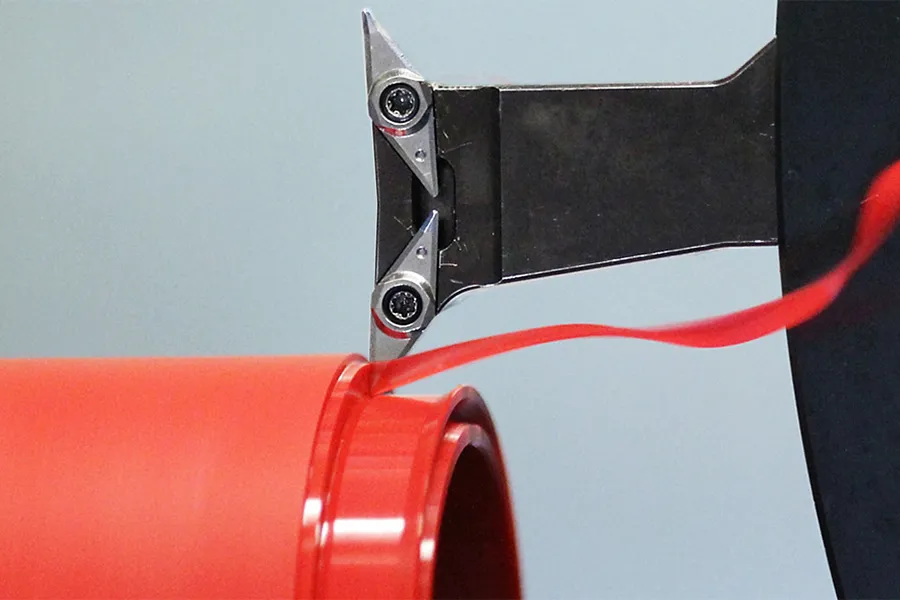
Het grote voordeel van ‘gemachineerde afdichtingen’ is dat ze altijd op maat zijn en niet in grote hoeveelheden afgenomen hoeven worden.
There is no longer any need to landfill asbestos.
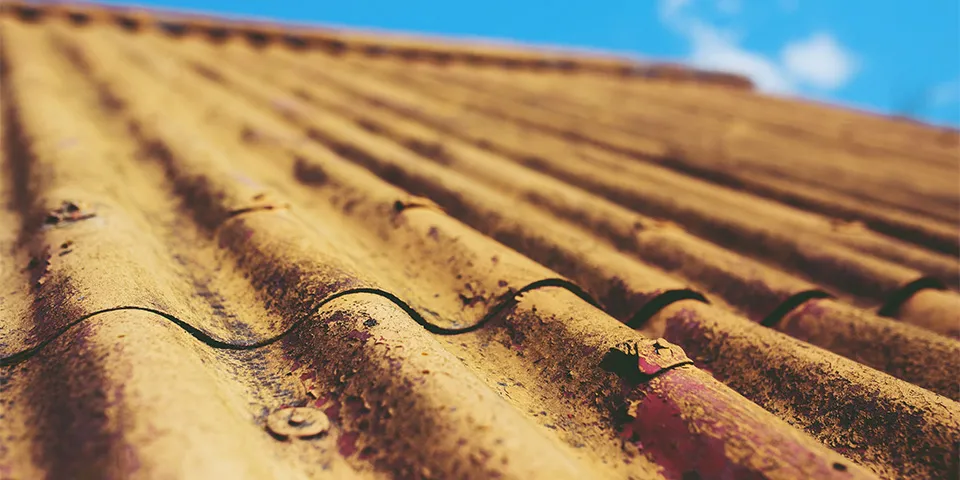
Asbestos is not the first thing that comes to mind when talking about the circular economy. To put it mildly, the material has a poor reputation, and the technology for processing toxic and carcinogenic roofing material into a clean construction material was long met with raised eyebrows. Yet the Dutch startup Asbeter has succeeded in developing a technology that tackles several problems at once. In 2018, Asbeter tested a method for chemically breaking down asbestos, and the results were so promising that a test facility was set up at Plant One in Rotterdam. Meanwhile, construction is well under way on a permanent plant in the Botlek area. It is due to open in 2021. The Asbeter process safely remediates asbestos using industrial waste acids. Using hydrochloric acid in a circular process can save seventy per cent of CO2 emissions by avoiding the neutralisation of waste acids with CO2-rich lime. The process itself has a neutralising effect, thanks to the cement in the corrugated sheets. The silica that is ultimately released is pure and can be reused as a construction material.
Binnen de polyurethaan familie bestaan er nog bijzonder veel varianten om tot de juiste mix van fysieke en chemische eigenschappen te komen voor de toepassing in kwestie.
The process at a glance.
Waste acids
The circular aspect of the technology devised by Asbeter founders Inez Postema and Pol Knops stems from its use of industrial waste acids. In one fell swoop, Asbeter tackles two problematic waste streams: asbestos roofing sheets and industrial waste acids. According to Postema, once the new plant is operational, Asbeter will be able to process 100,000 tonnes of asbestos sheets a year using 500,000 tonnes of available acidic industrial waste streams from the Botlek and Delfzijl. These waste streams are currently neutralised with CO2-rich lime or caustic soda before being discharged. The neutralisation process also releases a great deal of CO2. By using these waste streams, Asbeter therefore avoids a substantial amount of CO2 emissions. The process leaves behind reusable raw materials such as silica and plaster.
Acid-base reaction
Asbestos-cement roofing sheets consist of approximately ten per cent asbestos and ninety per cent cement. At its core, the Asbeter process involves a simple acid-base reaction: the cement reacts with the acid, thereby neutralising the waste acid ‘automatically’. An additional challenge was that analyses showed the sheets contained not only white asbestos, the least harmful type, but also percentages of brown or blue asbestos. These are extremely harmful to health. Asbeter therefore developed an extra process step to destroy the brown and blue asbestos as well. This is timely, as increased nitrogen deposition in the Low Countries is not only acidifying the soil, but also accelerating the degradation of asbestos roofing sheets, which will release more asbestos fibres.
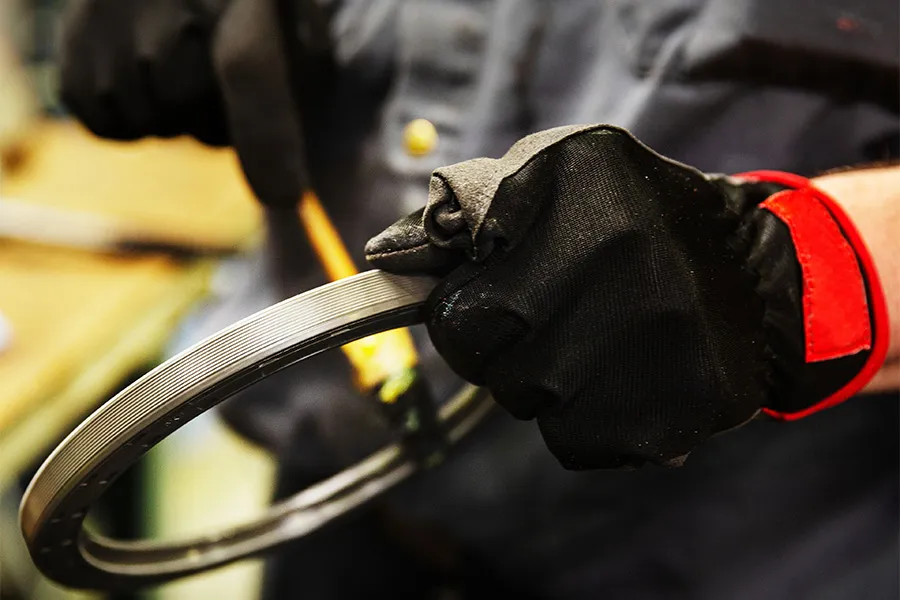
Afdichtingen zijn vaak een kwetsbare plek zijn. Een klein onderdeel, maar één dat een grote impact kan hebben.
Drinking water pipes
At a rate of 100,000 tonnes a year, Asbeter can solve the asbestos problem within ten years. There is still a million tonnes of asbestos on Dutch roofs. After that, the 30,000 kilometres of asbestos-containing drinking water pipes could also be remediated. Between 2021 and 2025, Asbeter plans to expand into Europe by supplying the technology to customers so they can build plants in Belgium, Germany, France and the United Kingdom.
We use cookies to keep the site working properly. With your consent, we also use cookies for statistics and third-party banners. Read more in our privacy and cookie statement.