












New Walloon biogas plant planned, with a capacity of 900,000 tonnes
Text Valérie CouplezImage iStock
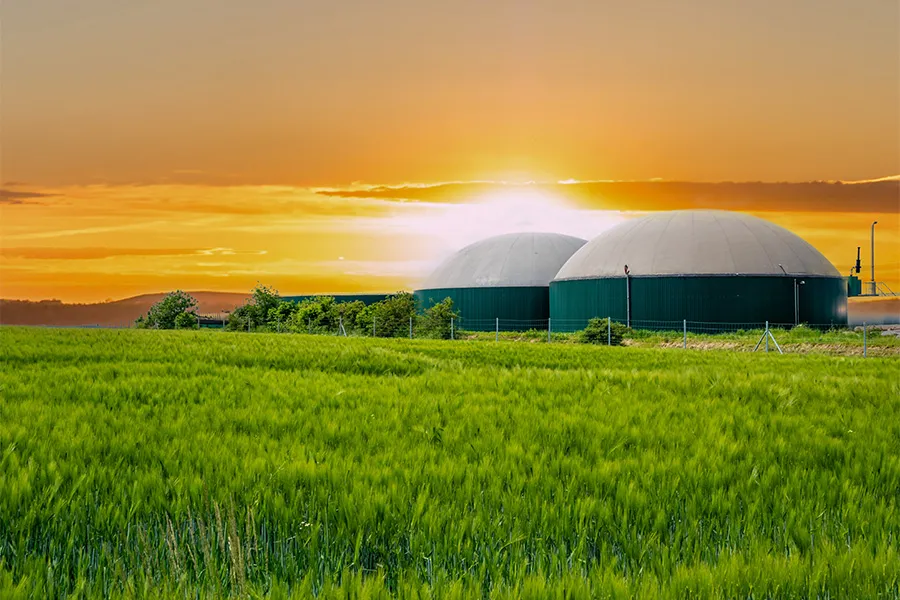
What should Flanders make of this?
If all goes to plan, construction of a biogas plant capable of processing 900,000 tonnes of organic waste is due to start next year in Saint-Ghislain (near Mons). It would immediately be the largest in the country. The project is an initiative by Cryo Advise of Wetteren, backed by a Danish investment fund worth billions of euros. The Walloon government is also participating in the project, which carries a price tag of €150 million to €250 million. Notably, the developers do not want to rely on subsidies, but believe that producing liquefied biogas will make the project financially viable in its own right. But what should we in Flanders make of it?
In Belgium today, an installation with a biogas capacity of 2.5 MW is already considered a major producer. By comparison, such a plant will require an average of 80,000 tonnes of organic waste each year. The scale of the plant planned by Cryo Advise is unprecedented in our region. There was no room for it in Flanders, either: neither the scarcity of building land nor the nitrogen issue made it an attractive proposition. Back to the figures, then. Although the plant is now planned for the other part of the country, it will need a substantial amount of organic waste from across the language border to keep it running. The project developers intend to limit the collection radius to 100 km around the plant. How exactly this will work in practice remains to be seen. For quality reasons, organic waste is best processed as quickly as possible to achieve the greatest possible reduction in greenhouse gas emissions.
Independent of subsidies: it can be done
That is reason enough to take a closer look at the planned investment. Its clear advantage is the subsidy-independent approach. This involves skipping a step in the process altogether. Instead of converting the biogas produced into heat and electricity, it remains biogas, specifically biomethane. What is more, the process will go one step further by turning it into bioLNG, or liquefied biogas. This means it can be sent to places where demand for sustainable fuels is strongest and prices are therefore highest. It is also a relatively innovative process, with little competition on the market so far. This could support a profitable business model while also contributing to the EU’s Fit for 55 targets. The EU aims to reduce net greenhouse gas emissions by at least 55% by 2030.
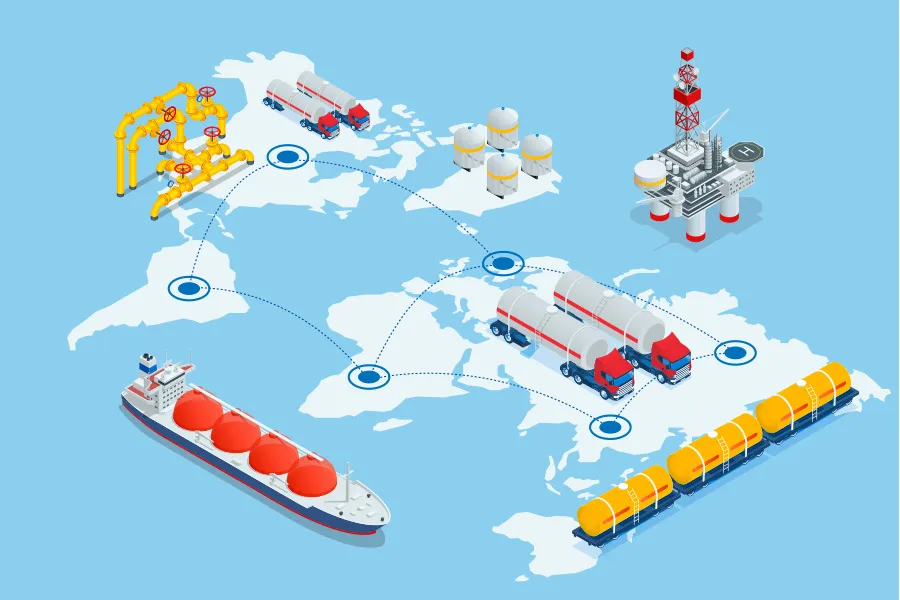
Flemish feedstocks for Europe’s green transition
One caveat is that these positive figures will not appear on Flanders’ balance sheet. Although much of the liquefied biogas will be produced from Flemish waste, it will be exported and deliver its environmental benefits elsewhere. While Europe is built on the principle of a free market, as a region we may do well to use the limited feedstocks we have sparingly.
Technically feasible?
One final point to consider is technical feasibility. The biogas sector already has to contend with a poor reputation because of cowboys who entered the market with empty promises in the past. It remains to be seen whether the biochemical processes used in anaerobic digestion plants can simply be scaled up to the proposed volumes. This will require not only millions of euros, but also sufficient technical expertise to make that leap. Cryo Advise will, of course, bring its own specialism, although this focuses primarily on the final step in the process: converting the gas into liquefied biogas. In addition, best available techniques will be needed to limit odour nuisance for local residents.
Conclusion
New players, especially those with a fresh approach that allows them to operate without subsidies, are a welcome addition to this market, provided they do not build castles in the air and undermine the credibility of the biogas sector.
Question about this story? Ask your question
Keep following this
Get an email when a new story is published. No account needed.
- SubjectNews







