












More efficient recycling method set to yield more tin, silver and gold
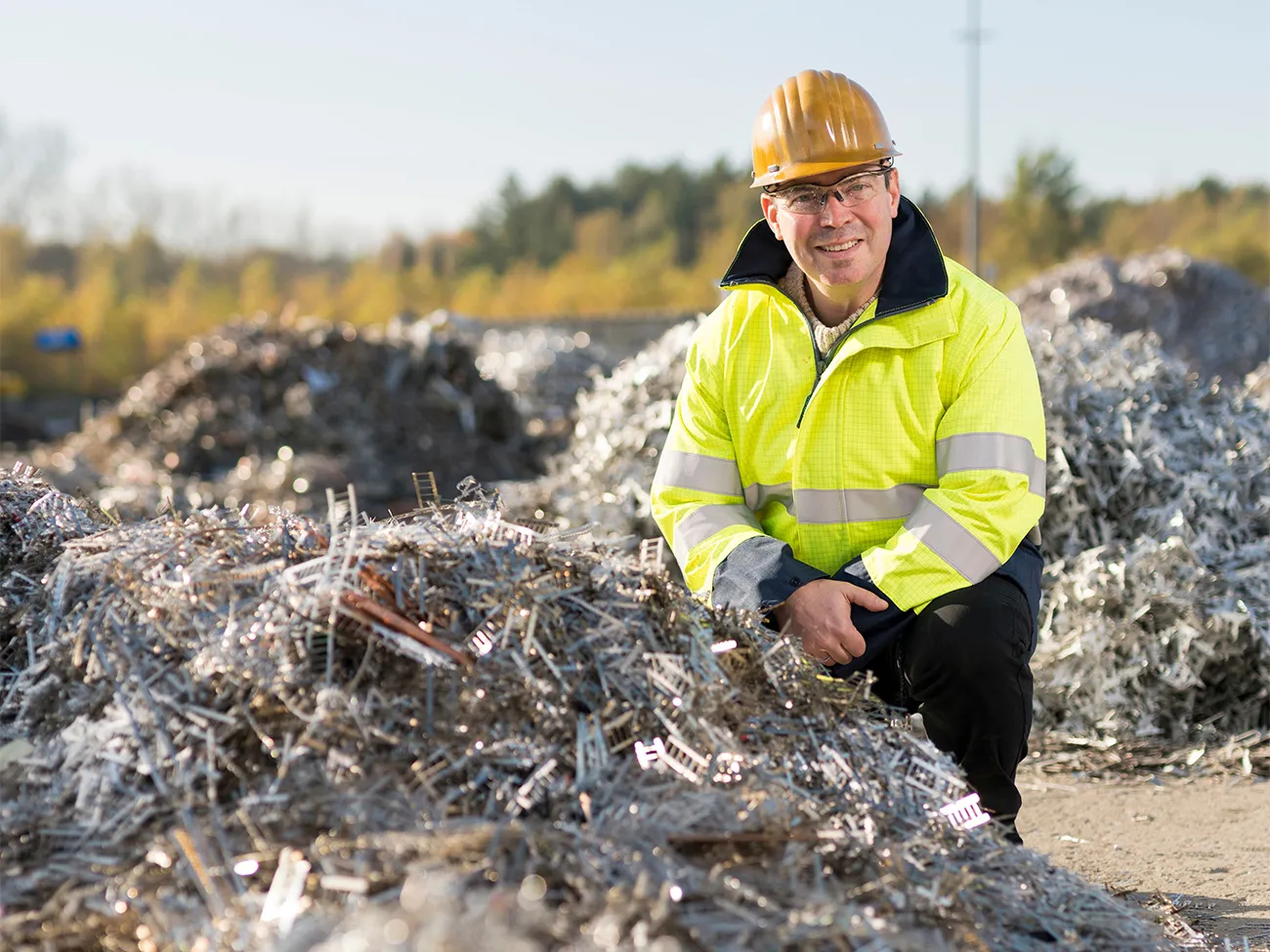
Urban mining will be crucial to closing material loops. But not all material streams are equally straightforward to process or equally high-grade. Aurubis Beerse has therefore made a speciality of the more complex work. Its 460 employees give 250,000 tonnes of low-grade streams a second life each year. With the development of a new, state-of-the-art recycling plant, Aurubis is proving its commitment to innovation and to achieving the goal of an independent production cycle. The circular economy at its best, here in Flanders.
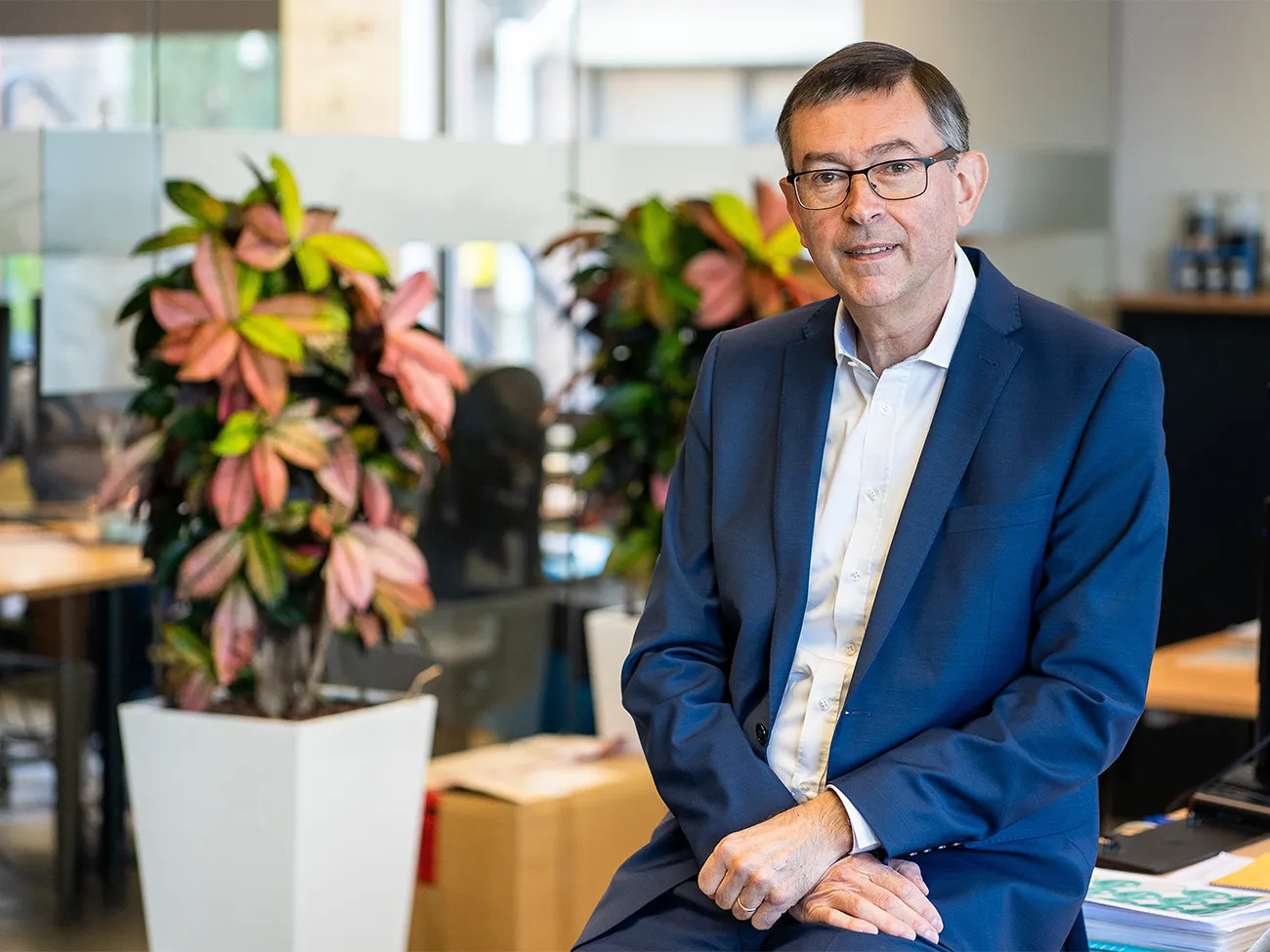
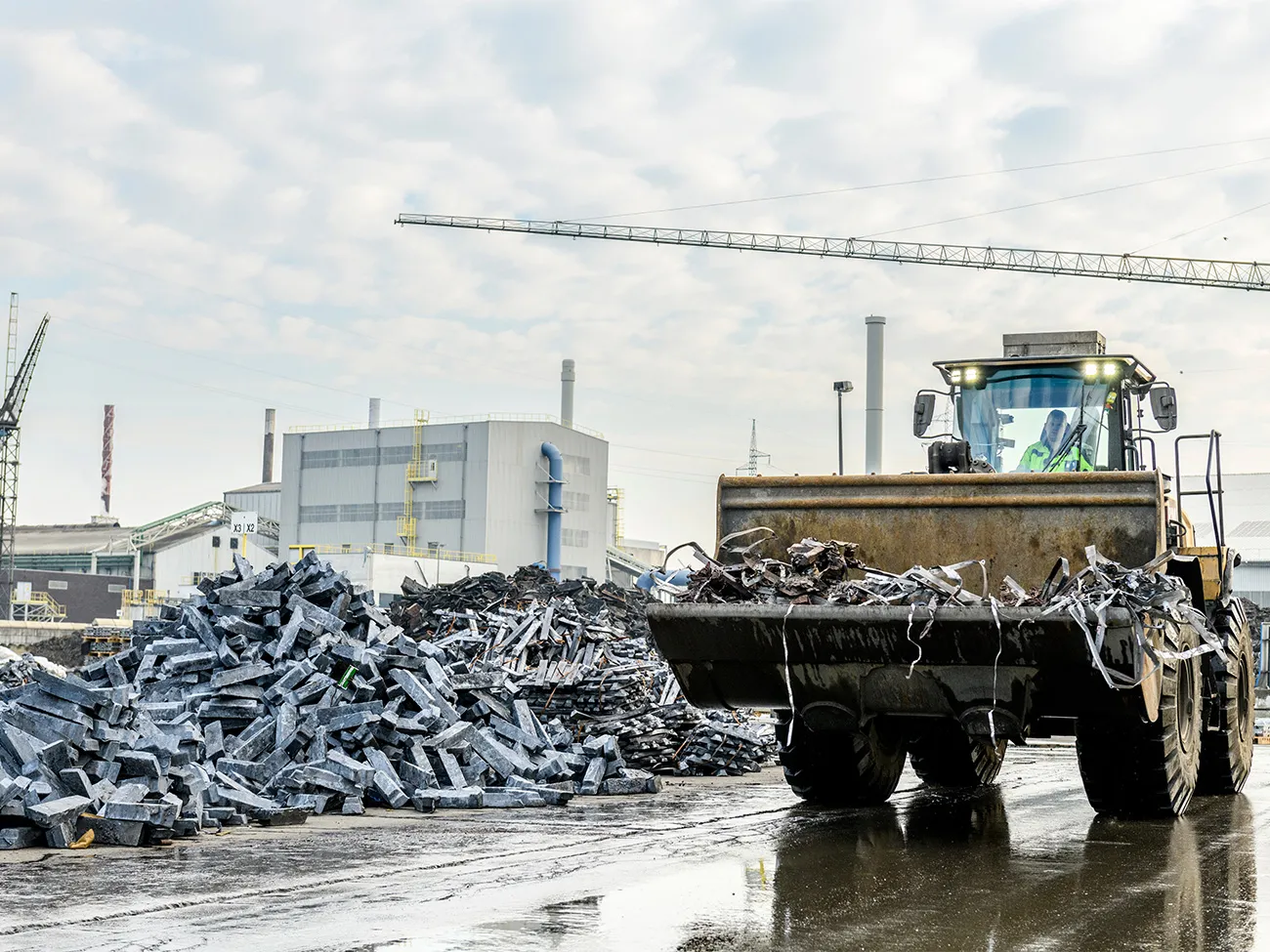
Aurubis Beerse traces its roots back to just after the First World War. From 1919, copper concentrates were processed at the site under the name Metallo-Chimique to produce copper sulphate, a product that helped combat diseases in agriculture. By the 1950s, the company had turned its attention to recycling. “Competition for primary raw materials had become fierce. Drawing on the technical expertise available, we looked at how innovative metallurgical processes could help us do the same with less. Turning scrap back into metals. This development has continued as a common thread ever since. We are firmly committed to recycling increasingly complex, lower-grade feedstocks and returning them to the market as pure metals,” says Sr. VP Managing Director Dirk Vandenberghe, summing up the company’s mission. Each year, the Beerse site gives 250,000 tonnes of waste streams a second life. The second site in Berango, near the Spanish city of Bilbao, adds a further 100,000 tonnes a year. These efforts produce copper anodes (100,000 tonnes), copper cathodes (24,000 tonnes), lead (25,000 tonnes), tin (10,000 tonnes), zinc oxides in various grades, nickel electrolyte and precious-metal-bearing sludges.
“Aurubis Beerse has also developed a plasma-driven process to produce a very pure and stable synthetic mineral from our ferrosilicate slag, Koranel®. We are conducting extensive research to develop high-value, sustainable construction applications for it, in collaboration with academic and industrial partners.”
Complementarity for sustainability
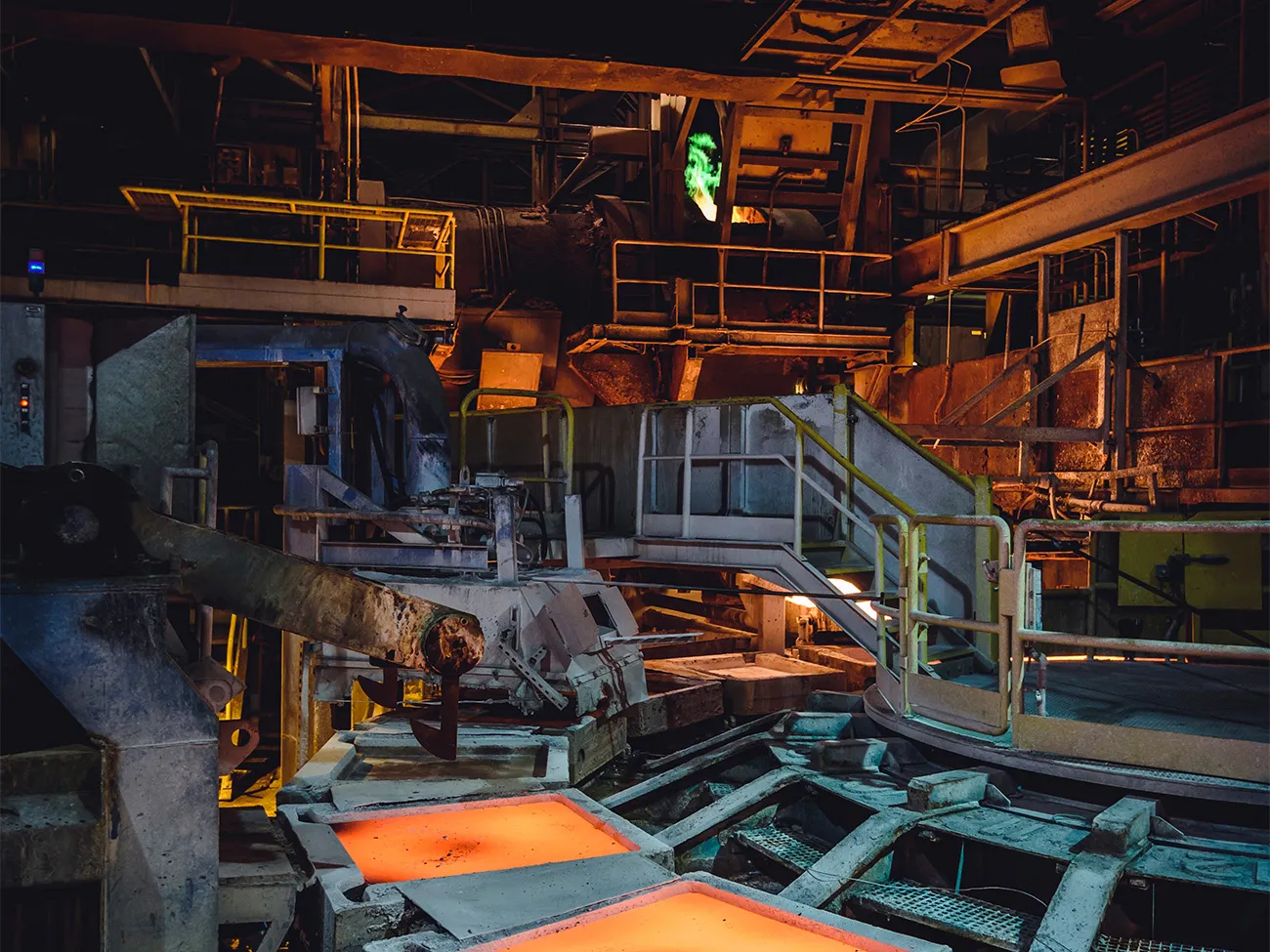
Since May 2020, the company has been part of the Aurubis Group, one of the world’s largest copper recyclers. “The different companies within the group complement one another to a great extent. Recycling alone cannot meet current demand. The interaction between the companies means we can offer metals to the market in the most sustainable way. Many by-products or secondary streams generated at one site can serve as feedstock for another. For example, we had long-standing contracts with the site in Olen, where mainly high-grade scrap is processed. The acquisition has only intensified those ties.” Another advantage of the new framework is greater capacity to act. The first example of this is the ASPA plant (Advanced Sludge Processing by Aurubis), which is now being built on site. R&D Director Bert Coletti explains: “The electrolysis process we use here generates an anode slime that still contains a considerable amount of valuable metals. We were already able to recover some of the tin, but wanted to increase that proportion and extract other materials, such as gold and silver, too.”
Building blocks for electrification
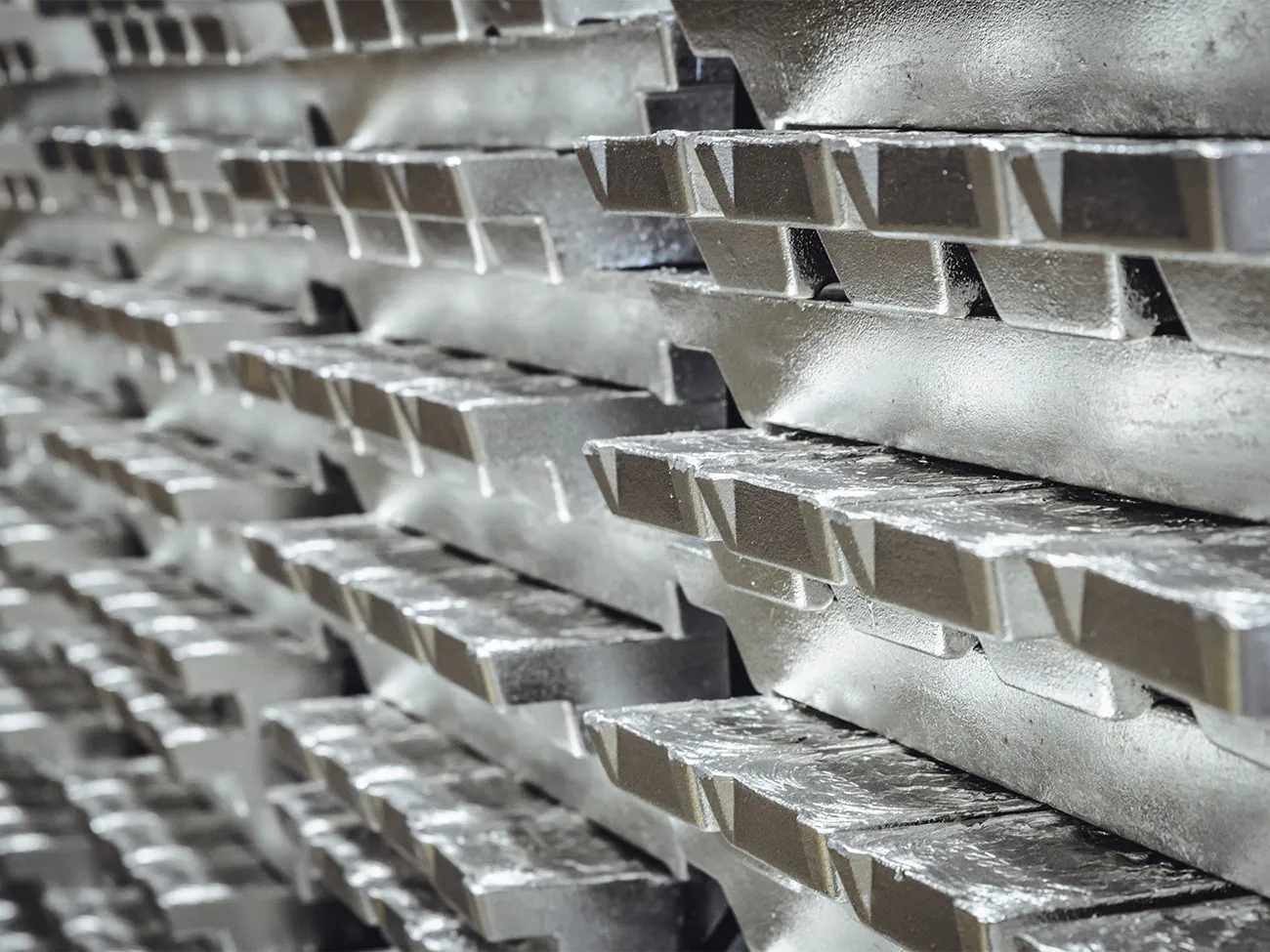
The reason is clear. The electrification of our society is driving relentless demand for precisely these metals. “We are giving the building blocks of an electric, sustainable society a second life. These are raw materials that will become increasingly scarce, and therefore more expensive, in the years ahead,” says Vandenberghe. With an investment of 27 million euros, Aurubis aims to process 2,500 tonnes of anode slime at its ASPA plant and recover an additional 300 tonnes of tin. This material would otherwise largely have been lost. Coletti says: “The metals in the slime are precipitated and recovered in several stages using hydrometallurgical processes.” Coletti is not giving away the trade secrets, but adds: “The process was preceded by five years of research, drawing on the expertise of our employees here and with support from KU Leuven. But interaction within Aurubis was also decisive in developing a process perfectly tailored to downstream processing. We are effectively producing three new types of sludge, which are then further processed elsewhere in the group.”
Continuing to optimise and innovate
Construction is scheduled to start in the second quarter of 2022, with commissioning to follow in early 2024. The process is moving straight from the laboratory to industrial-scale production. “That is possible because of the nature of the process and the limited scale required. The plant will be able to handle all the anode slime from this site and the one in Lünen,” says Vandenberghe. Aurubis is showing how it can take another step towards closing the loop on valuable raw materials. “It is an investment that makes both ecological and economic sense. We estimate that we can achieve a payback period of eight years.” But the mission does not end there. The R&D team continues to explore how existing processes can be further optimised and which other recyclable materials it could recover in the future. “Today, we can already recover 660 different types of recyclable material. But we constantly see new market needs emerging, driven both by new product groups and by growing demand for existing ones. Within Aurubis, we are trying to respond flexibly to these trends and continue to develop so that we can recycle even more materials, more efficiently, and return the metals to the value chain,” Coletti concludes.
Question about this story? Ask your question
Keep following this
Get an email when a new story is published. No account needed.
- SubjectNews







