












Mandatory use of recycled content in new cars
Text Valérie CouplezImage iStock
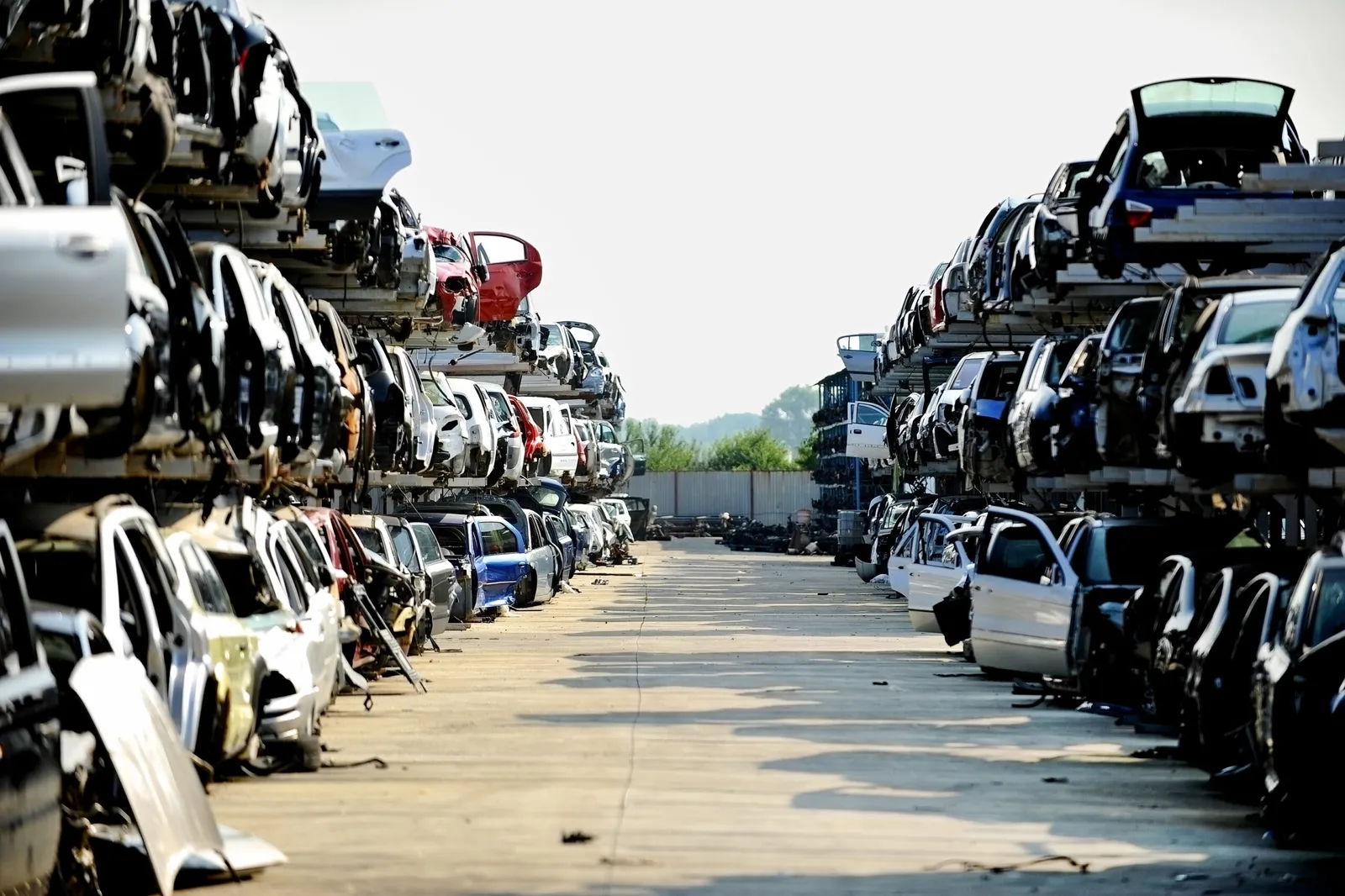
Requiring an industry as large as the automotive sector to use recycled materials in its new cars is, of course, a particularly positive development. And although the targets have been significantly watered down compared with the first draft of the ELV Regulation and will come into force later, they should still help boost demand for recycled plastics in the coming years. Anyone who visited the recent Brussels Motor Show will also have seen that the use of recycled materials is part of the branding for several manufacturers. Hopefully, the legislation now agreed will provide an additional boost to demand.
Following the official approval of the ELV Regulation, car manufacturers will have a further six years to source recycled plastics for cars they intend to place on the European market. Initially, the target will be 15%. Four years later, the minimum will rise to 25%. On each occasion, one fifth of this must consist of so-called closed-loop plastics. In other words, plastics sourced specifically from end-of-life vehicles. The recycling sector has already shown that this is possible. Another boost for the sector is the definition these plastics must meet. The ELV Regulation explicitly states that recycled plastics must come from post-consumer waste. Bio-based plastics are not included. The recycled material may come from outside Europe, but it must be possible to demonstrate that it has been processed in accordance with equivalent environmental and social standards.
Recycled content in metals
No explicit targets have yet been set for steel and aluminium. However, the ELV Regulation already opens the door to these material streams. The European Commission will carry out a feasibility study to determine what would constitute an appropriate level of ambition for recycled metal content. The findings must then lead to mandatory targets two years later. The question is how ambitious these targets will be. Recycled steel and aluminium are already widely used in the construction of new cars. A target set too close to current practice will have little impact. But does the aim here involve tightening the screws and demanding greater efforts from an automotive sector that is already struggling?

Critical materials
Another aspect of circularity in the automotive sector is the economic value contained in vehicle materials. Although metals such as steel and aluminium account for most of a vehicle’s weight, some of its most valuable materials are present in much smaller quantities. Rare earth metals used, for example, in electric motors and magnets make up only a fraction of a vehicle’s total mass, yet can represent a disproportionately large share of its material value. Precious metals in catalytic converters and copper in wiring harnesses follow a similar pattern. Recovering these materials and feeding them back into supply chains is therefore not just a sustainability objective, but also an economic opportunity. As raw material markets tighten and critical raw materials become more strategically important, it is increasingly relevant for manufacturers to map and document these recovery streams. The European Commission has therefore been tasked with launching a feasibility study on these critical materials.
Measurement methodology and enforcement
Setting targets is only one side of the coin. Enforcing them is at least as important if they are to have a real impact, although it receives less attention. The methodology for measuring how much recycled plastic a car contains will be developed through secondary legislation. Audits by independent third parties will have to substantiate all claims, both by manufacturers and recyclers. Meeting recycled material targets, demonstrating readiness for circular design and verifying that processing outcomes are as intended all depend on reliable information about materials and volumes across complex supply chains and recovery networks. Many organisations already hold this information, but it is often scattered across multiple systems and operational stages. As circularity requirements increase, the challenge is increasingly one of managing lifecycle data in a structured way.
Question about this story? Ask your question
Keep following this
Get an email when a new story is published. No account needed.
- ThemeMaking plastics and packaging circular
- SubjectNews







