Organisations and trade associations
Giving the recycling industry every opportunity
Text Valérie CouplezImage Bond Beter Leefmilieu en Ideogram

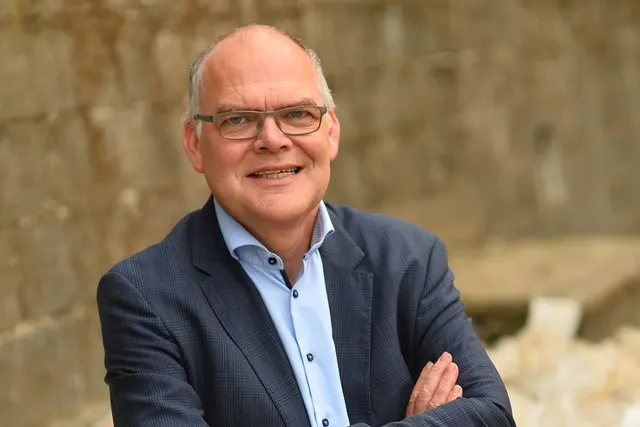
Bond Beter Leefmilieu brings together nature and environmental organisations in Flanders. Together, they want to amplify the voices of sustainability leaders in order to reduce Flanders’ material footprint. “The dream of a circular economy means that, alongside being a champion in collection and recycling, Flanders also ranks among the best in prevention and reuse,” says circular economy policy expert Kira Van Den Ende.
Figures from the Ellen MacArthur Foundation show that, as of 2024, the linear economy is still growing faster than the circular economy. “That is an important finding. Despite all the measures we have already taken, we have not managed to kick-start a large-scale transition. So there is still work to do. We must therefore focus on phasing out ‘virgin’ raw materials in our economy. This can be done through ecodesign, reuse and a higher recycled content. To achieve the latter, we need to safeguard the competitiveness of the recycling industry,” explains Kira Van Den Ende.
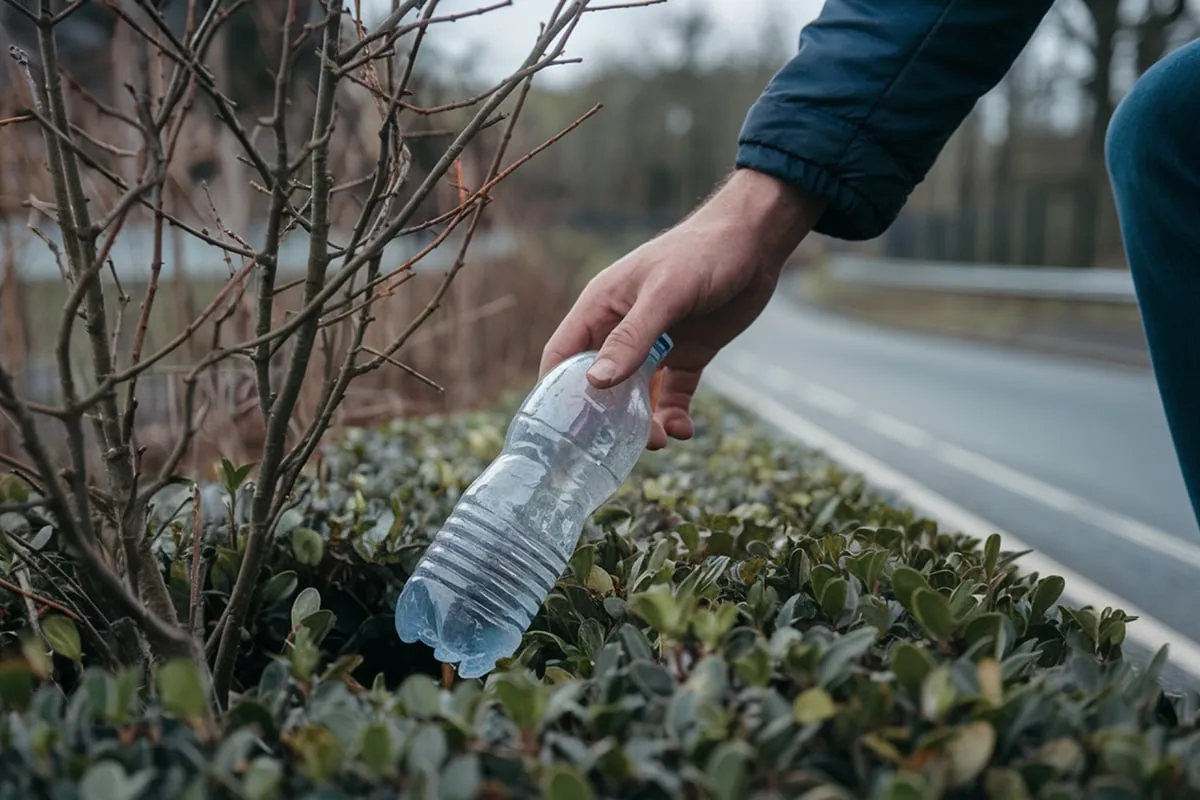
Recycling, but also prevention and reuse
Van Den Ende points to the need for regulation, preferably at European level. “That is already on the horizon to some extent,” she says. “From 2026, some of our waste will no longer be allowed to be exported. This will keep our raw materials here. But demand must also be stimulated through a better legislative framework for end-of-life products and more requirements on recycled content. For many consumers, sustainability has now become a reason to choose or reject certain products. So things are moving in the right direction.” BBL also welcomes all new regulations that focus on prevention and reuse. “Because this allows us to tackle the problem at source. The fact that this has now been set out for packaging, with the mountain of single-use packaging having to shrink by 5%, will hopefully help us develop a circular ecosystem on a large scale.”
Scale is needed
Scaling up is necessary to make this transition profitable too. “If one pizzeria opts for reusable boxes, that is one thing. It is quite another if all pizzerias in Flanders do so. By making the scale as large as possible, the economic aspect of the circular economy can really come into its own. Today, we are seeing the other side of the coin when the recycling industry cannot compete. In plastics and textiles, recycling companies now have to compete with extremely cheap virgin materials. It is an unfair fight, especially when labour costs are taken into account. Surely the aim must be to give the recycling industry every opportunity to develop further and grow.”

Industry within a sustainable vision for the future
Van Den Ende: “As an environmental organisation, we advocate policies that support the transition to a sustainable economy. That also means an industry that fits within a sustainable vision for the future. We must continue to set the bar high enough to make progress on circularity, and help companies clear it in time. With sound transition policies, the recycling sector will also continue to grow and thrive, helping society consume fewer raw materials and generate less waste. Bond Beter Leefmilieu has a good relationship with Denuo, and together we advocate solutions that benefit both reuse and recycling, such as better enforcement of import rules. Recycling companies are also always welcome to reach out to us directly so that together we can finally get the circular economy off the ground here.”
Question about this story? Ask your question
Keep following this
Get an email when a new story is published. No account needed.
- ThemeCircular business under changing regulations
- SubjectOrganisations and trade associations