












“If you add commercial value, you don’t have to suffer when commodity prices are low”
Text Valérie CouplezImage Closing The Loop
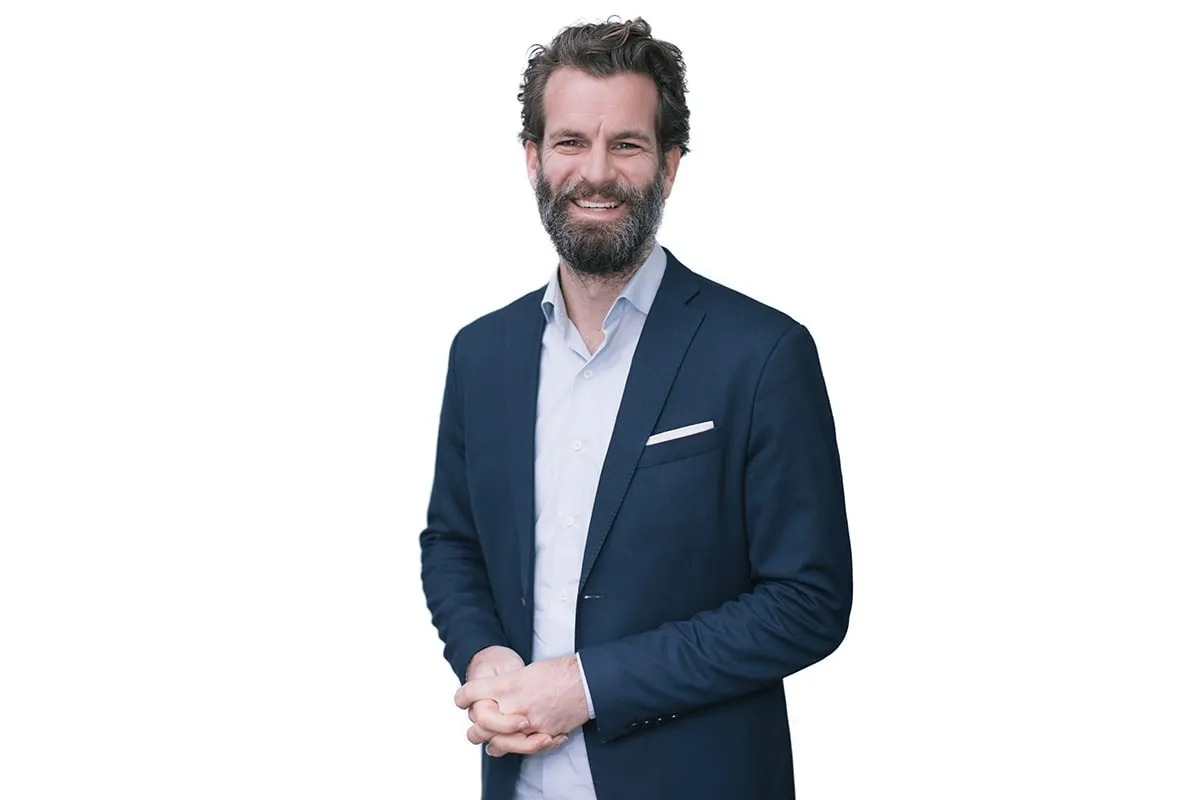
According to founder Joost De Kluijver, the idea behind Closing The Loop, which was launched in 2012, is simple: make waste reduction as attractive as possible. He applied this principle to the electronics sector. “The best compliment they can pay me is to call me a commercial company, because that’s the key to persuading more people to collect and recycle more effectively. They need to see the value in it.”
De Kluijver is not keen on the term circular economy. “Experts, researchers and think tanks have talked about it too much already. As a result, it has become somewhat abstract. We want to bring it back to practical realities. What can you do today to close loops more effectively? And why should you do it? Everyone knows the rationale behind it: to reduce the amount of waste, address resource scarcity and cut CO2 emissions … but that does not give electronics companies any intrinsic motivation. We approach them with a proposal to set them apart from their competitors, so they can attract more customers, generate more revenue and keep investors happy. Legislation can act as a driver, but it is not enough on its own. You have to keep emphasising how ‘circularity’ helps them achieve their own ambitions. If you can add that commercial value, you don’t have to suffer when commodity prices are lower.”
Driving more change
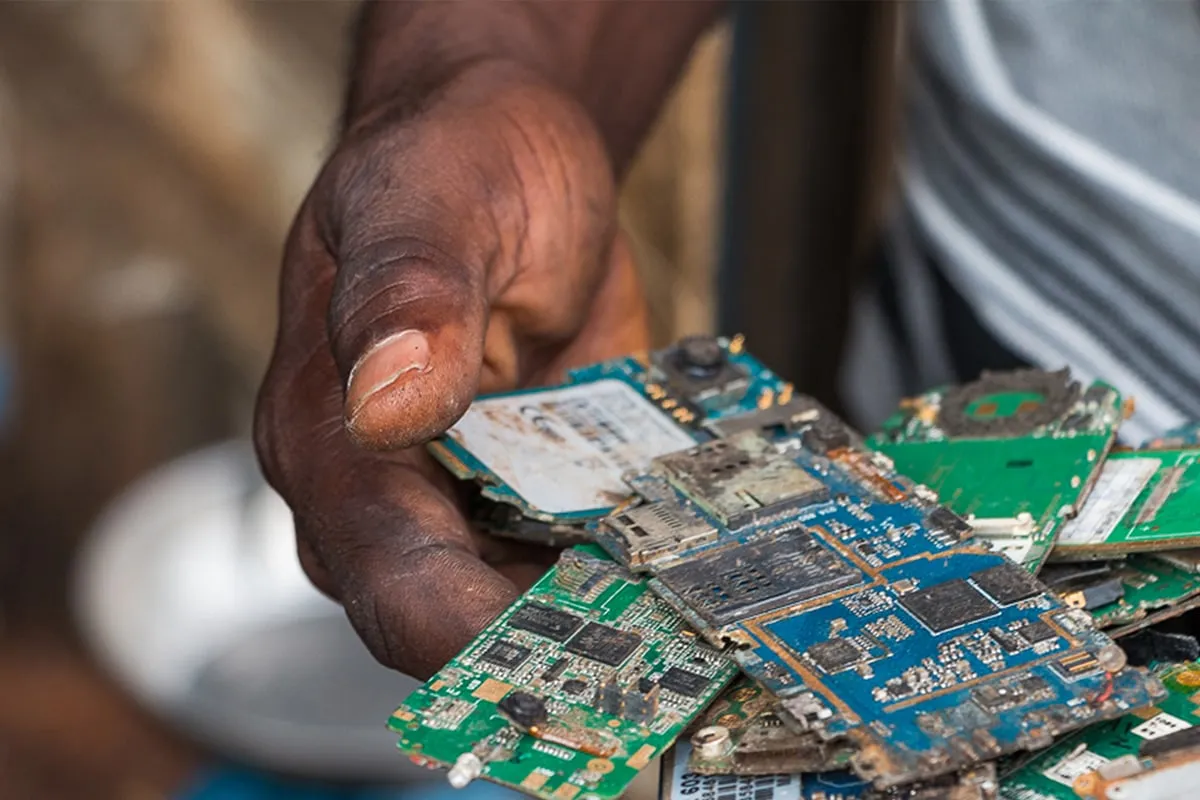
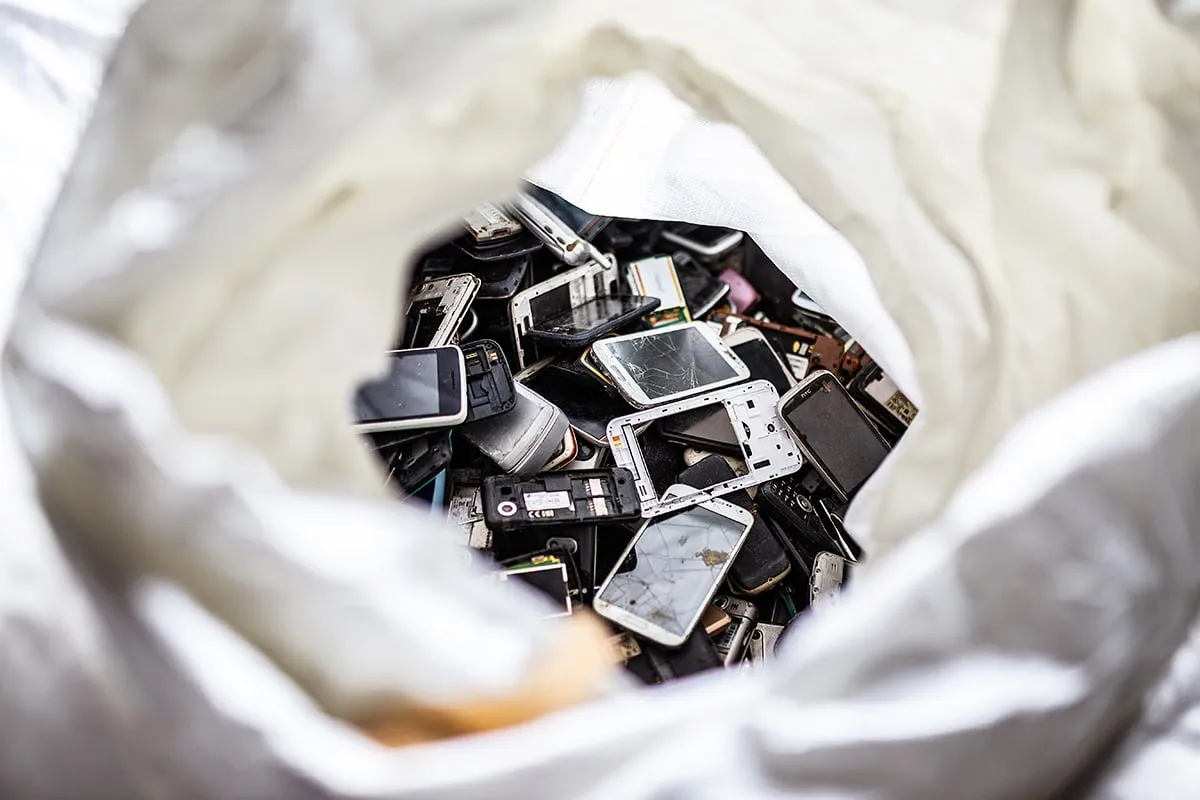
Closing The Loop’s approach is based on EPR schemes. “A small additional contribution on a product funds its collection. It sounds great in theory, but the concept fails when it comes to small electronics. The figures show that just 4% of products placed on the market are actually collected again. We would rather use that money on a one-to-one basis. With the contribution a company such as Vodafone charges on a smartphone in the German market, we collect an end-of-life device in places where this would not normally happen, such as Ghana or Nigeria. We call this One for One.” Closing The Loop’s decision not to target the Netherlands with its business model is all about the impact the organisation wants to achieve. “If I sat down with the Dutch government, everyone would agree with me straight away. In countries where little is being done about waste management, where there is no legislation or consumer awareness, you can drive more change.”
From informal collection to recycling
Since 2012, Closing The Loop has been building collection networks in Africa. “They are mostly informal
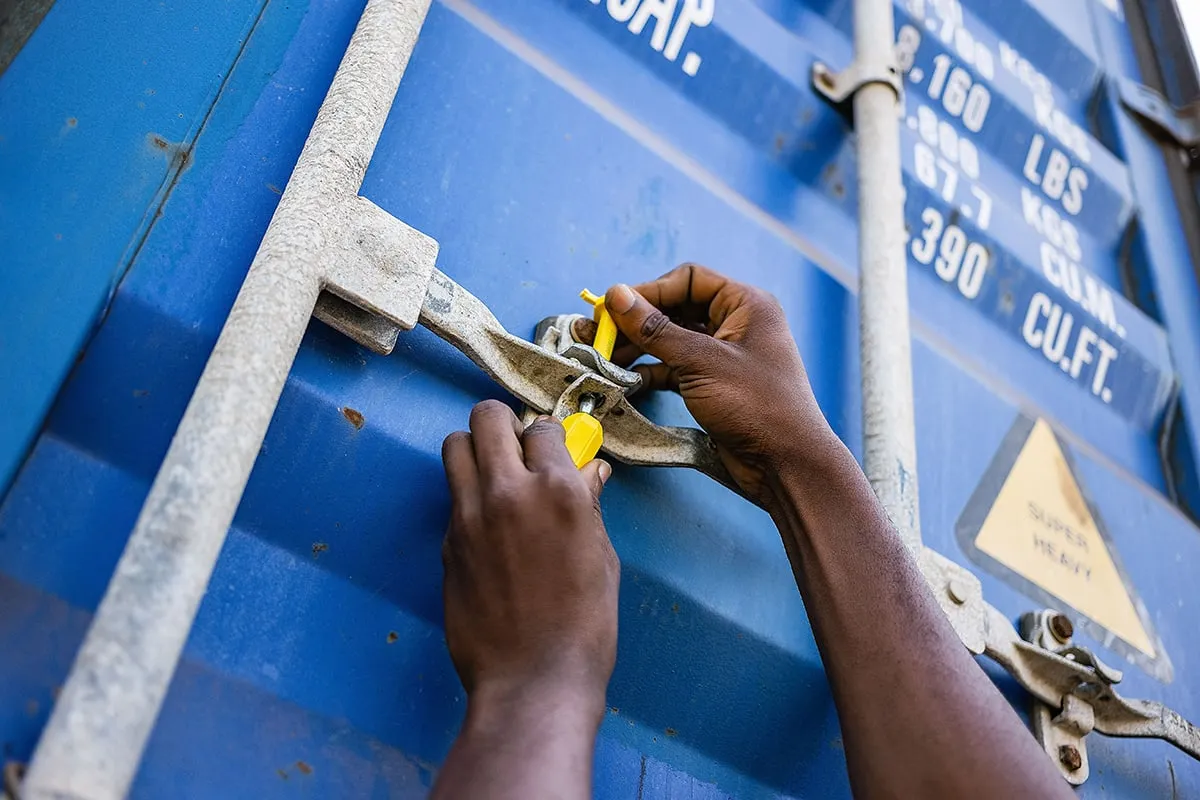
networks. People bring end-of-life electronics from remote villages to the city, or small repair shops have devices left over that they would otherwise throw away. We buy this waste through one local partner in each country, often near a port, before arranging transport for responsible processing by recycling companies. They don’t yet have any recycling facilities of their own. That came as a shock when I first visited.” De Kluijver already had his next mission in mind, one he will begin working on next year. “We want to build Nigeria’s first recycling facility, a ‘smelter’, so we can tackle that final piece of the puzzle locally too. We hope to have it operational by the end of 2027. It wouldn’t be viable through conventional channels, but it is with our One for One financing mechanism.”
Partners and collaboration
De Kluijver is therefore particularly grateful to Vodafone for joining the initiative back in 2021. “You can feel that these concepts are gaining momentum in 2024. We were already making progress before the European Green Deal even existed. The fact that the major player Vodafone partnered with a small organisation from tiny Netherlands also opened doors with other tech companies. They were willing to go beyond what was required. Ultimately, you need partners who believe you are doing more than just something nice, and who want to work with you to scale up what you do and increase its impact. In future, companies will take more responsibility for closing their own loops and look for ways to turn their own waste into new products. To do that, we need to work together more. That, to me, is the essence of circularity.”
Question about this story? Ask your question
Keep following this
Get an email when a new story is published. No account needed.
- ThemeCircular processing of electronics and batteries
- SubjectNews







