












If it were easy, everyone would do it
Text and images Van Werven
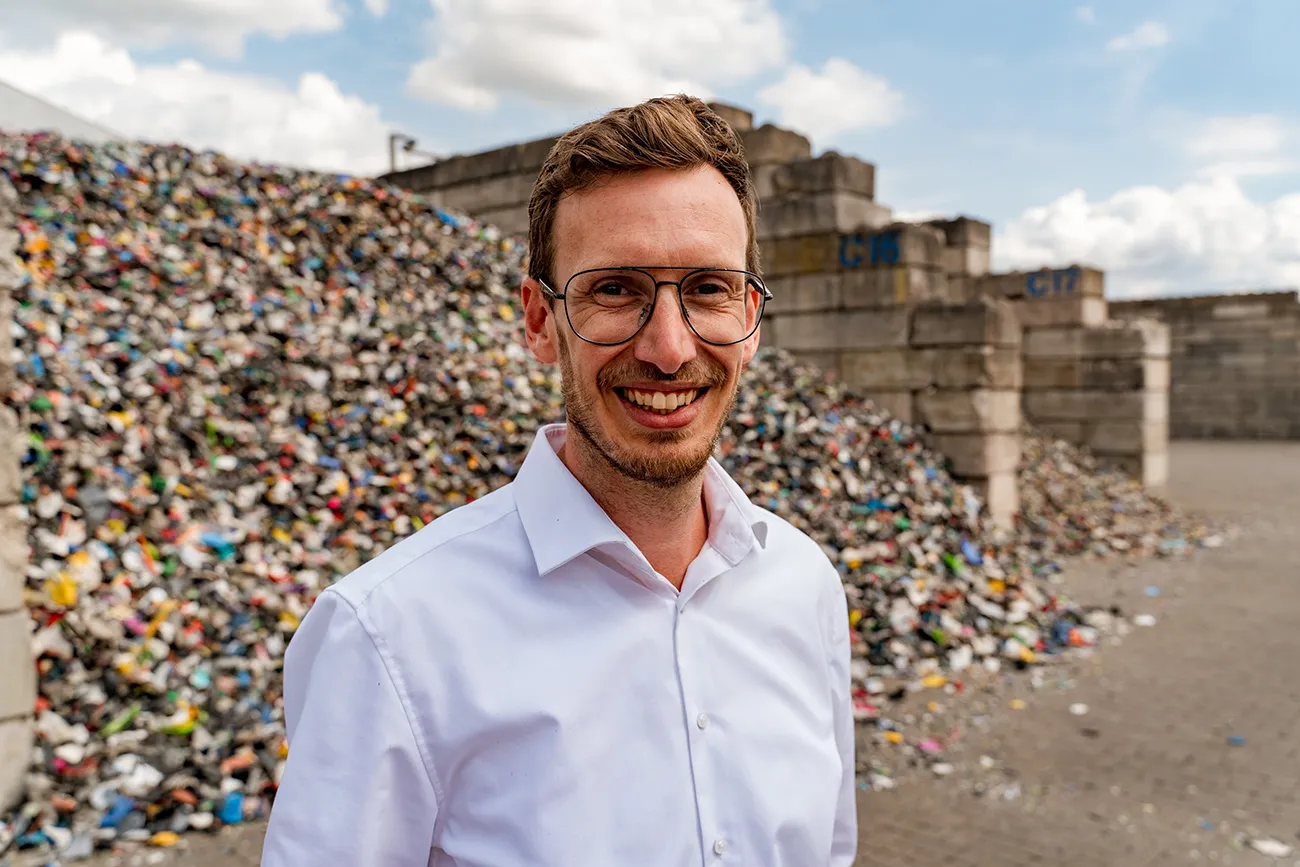
Rita, who recently joined us as a back-office assistant, walked into our organisation a month ago. During her job interview, I shared my usual account of the world she would be entering. ‘You either love it or hate it’, with all the complexity and diversity that the recycling industry brings. I always end this account with the words ‘but if it were easy, everyone would do it’. This is to show that no two days are the same and that we are constantly moving forward.
Over the past few months, that complexity has only increased. The stream of legislation and regulations from our own country, and especially from Europe, seems endless. These measures are essential, but they are not always welcomed by everyone. What is more, many crucial details still need to be worked out. All of this is aimed at making our recycling industry more mature and creating a sustainable model.
We have already achieved a great deal in plastics recycling in recent years. We know it can be done, and we have laid a solid foundation. Now it is time to innovate: develop new recycling technologies, make processes more efficient, find new applications for recycled materials, achieve higher recycling rates and deliver greater CO2 reductions. The list of possibilities is endless.
Returning to Rita’s story, I said to her: ‘Rita, it is clear that we do not yet know exactly how we are going to achieve all this, but that is precisely why we need good people’. When I said that, I thought I saw a sparkle in her eyes, and we knew she would be a good fit for our organisation and this industry. The complexity of our field makes every colleague a specialist in their area. I am still amazed every day by the wealth of knowledge we have in-house. That is true not only of us, but of the industry as a whole.
It is important for these specialists to share their knowledge within their own organisations. But applying that knowledge in collaboration with other links in the chain is probably even more important. One example is the recycling experts at NRK, who recently joined forces to draw up a protocol for obtaining end-of-waste status. Initiatives like this can come from trade associations, but also from other forms of collaboration, involving brand owners, distributors, recyclers, waste collectors and others. The more complex the challenge, the more we need to share our knowledge if we are to make a real impact. We must work together to secure a sustainable future for us all.
In short, collaboration across the recycling value chain is not only a challenge, but also a necessity. Our commitment to this sector will enable us to continue growing and contributing to a sustainable future for everyone. Together, we can transform the recycling industry and make a positive impact on our planet. It is a difficult task. But as I said earlier, if it were easy, everyone would do it.
Question about this story? Ask your question
Keep following this
Get an email when a new story is published. No account needed.
- SubjectNews







