












How high is circularity on the agenda of Flemish parties?
Text Valérie CouplezImage cd&v, Groen, N-VA en Open Vld
On 9 June, eligible Belgian voters will elect members of the European, federal and regional parliaments for the coming legislative term. Then, on Sunday 13 October, they will also vote in provincial, municipal and district council elections. Plenty of reason to quiz the democratic parties on their positions on everything related to waste treatment, recycling and circularity. We put the questions to them. Cd&v, Groen, N-VA and Open Vld provided answers. Vooruit made promises, but did not respond.
What steps are you prepared to take to bring about greater harmonisation of waste policy across the three regions and reduce the administrative burden on businesses?
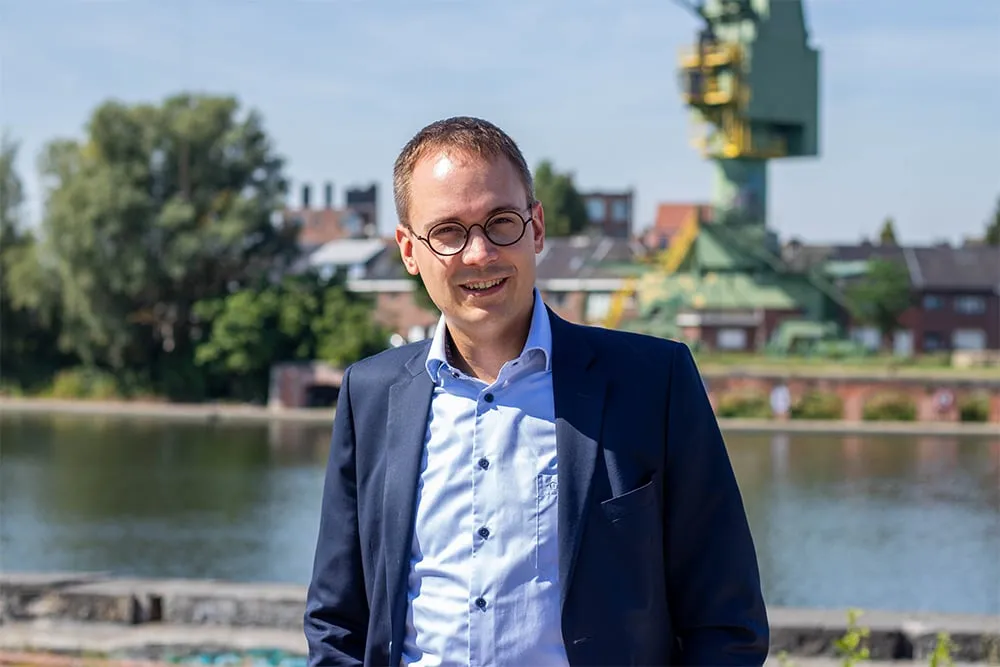
Stijn De Roo (cd&v): “There can be no question of ‘harmonisation’ in the sense of refederalisation. It would trigger community debates and ultimately bring government to a standstill. ‘Harmonisation’ in the sense of aligning policy measures to support the smooth functioning of the market, ensure proper facilities and customer-friendly services, and limit costs and burdens for businesses and public authorities is a good thing. It is best promoted through dialogue and agreements between the parties involved. If this requires changes to regulation, implementation or enforcement, we are certainly prepared to make them. Ideally, this would be done at European level, creating as uniform a framework as possible for the registration and transport of waste within the European Union.”
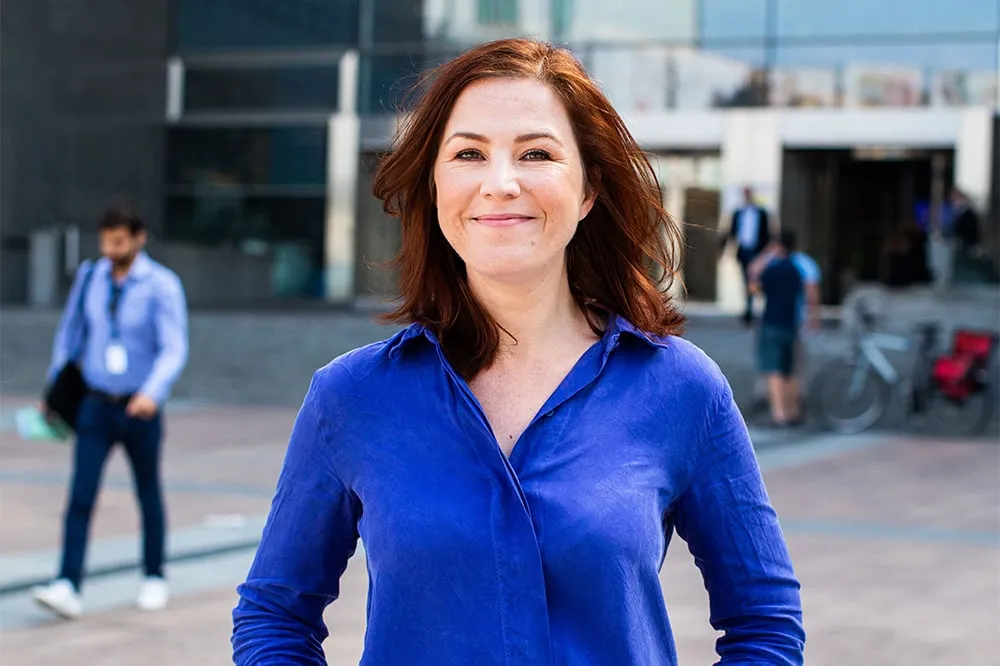
Sara Matthieu (Groen): “At federal level, Groen wants to introduce uniform rules for the registration of waste and for waste importers, traders and brokers, removing barriers to circular business activity when crossing regional borders. At European level, Groen wants to remove obstacles in waste legislation to transporting secondary raw materials across Member State borders.”
Bart De Wever (N-VA): “Our first priority is to exercise our own powers wherever possible, but Belgium’s internal structure makes cooperation necessary in certain areas. It remains a difficult issue. For the N-VA, the challenges raised by the sector and policymakers are a priority and should therefore be addressed through dialogue and cooperation. Cooperation between regions can be formalised through cooperation agreements, as is also planned for extended producer responsibility.”
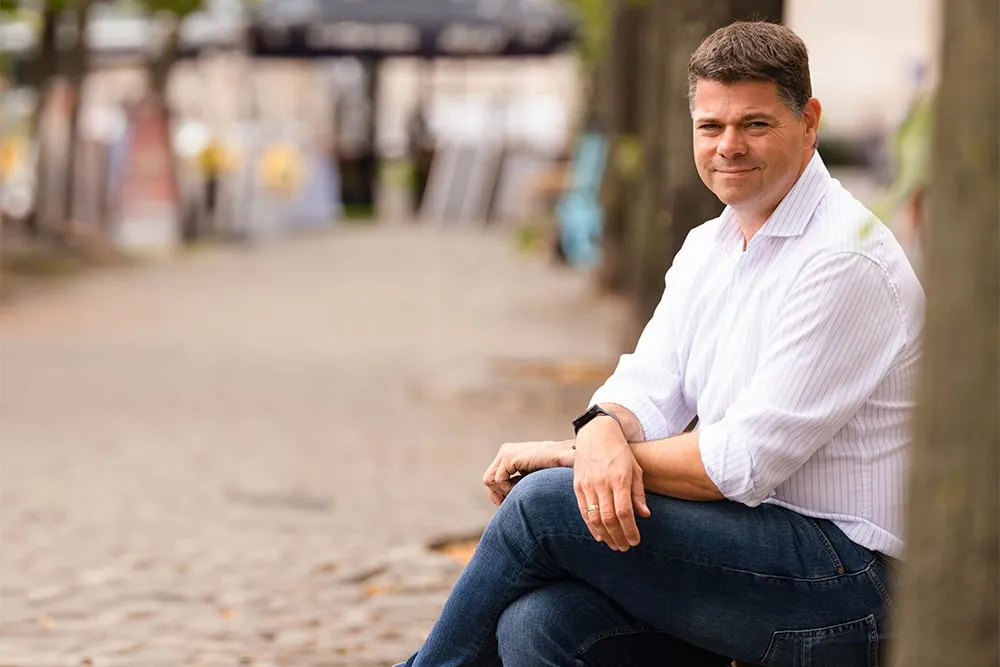
Tom Ongena (Open Vld): “It goes without saying that we support a more harmonised approach to waste regulations in our country and across the European Union. One example is end-of-waste criteria, which allow these waste streams to be used again as raw materials. In addition to the existing European waste streams, Member States and regions can set criteria for other waste streams too. However, where they do, these criteria are often not recognised across linguistic borders. Harmonisation is also needed for the transport of materials that have achieved end-of-waste status. There are also different rules on recycling and collection in the different regions. This creates an additional burden, which we would very much like to see removed.”
Does your party want to develop a vision for final waste treatment (incineration and landfill) to safeguard the future of Belgium’s recycling industry?
Stijn De Roo (cd&v): “We will support research into and the application of new techniques and innovative technologies, so that we remain among Europe’s leaders. We are therefore happy to help develop a robust vision to prepare for the future in this area within the European framework. Such an exercise cannot be carried out by the authorities alone. It requires the active involvement of businesses across the entire chain, not just the recycling industry, but also producers and the distribution sector.”
Sara Matthieu (Groen): “On final waste treatment, Groen advocates reusing more and more waste materials in a circular economy, and incinerating less and less waste. Waste incineration capacity must be gradually reduced. This will also mean less CO2 and pollution entering the air. For new waste incineration plants, we would choose the location with the lowest environmental and climate impact. OVAM, the public agency responsible for waste, should provide objective oversight. OVAM can require municipalities that fail to meet residual waste reduction targets to take measures to limit waste.”
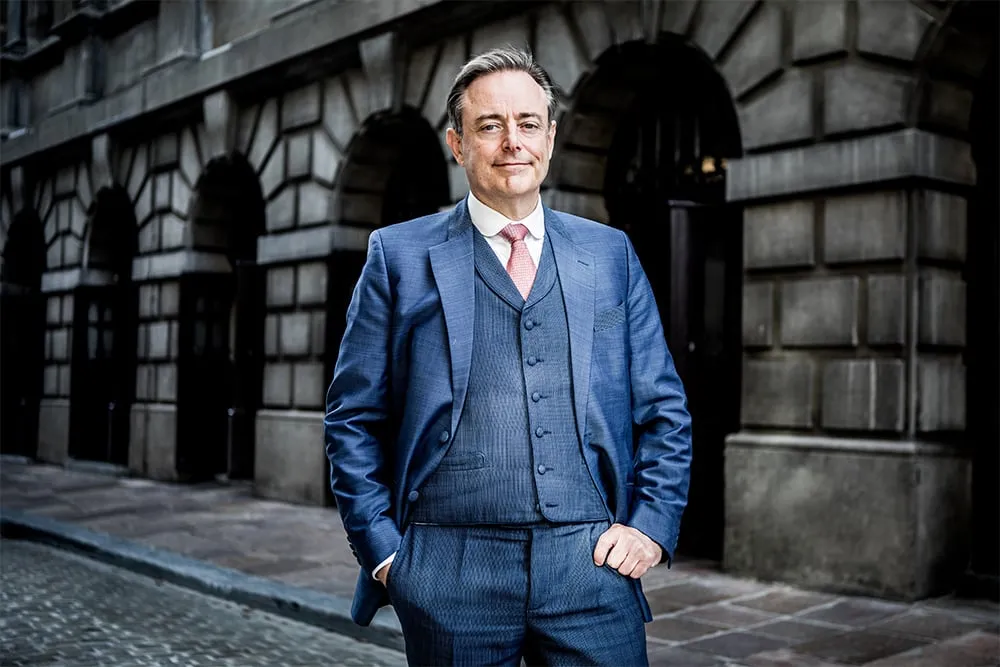
Bart De Wever (N-VA): “The N-VA’s first priority is to implement the long-term vision for final waste treatment and the local materials plan. Sorting and recycling capacity will be supported by continuing the measures introduced during the previous legislative term, namely additional landfill and incineration bans and higher environmental levies on landfilling and incinerating waste.”
Tom Ongena (Open Vld): “We want to continue maximising the recycling and recovery of waste, giving it a second life in new applications and further reducing waste incineration and landfilling. We want to remain among the leaders and make our country a recycling hub at the forefront of the circular economy. Recycling critical materials that do not occur naturally here, for example, also reduces our dependence on other countries. When it comes to waste incineration, we must consider the needs of people in the different provinces of our country and adjust capacity accordingly. These incinerators must also achieve the highest possible energy efficiency.”
Is your party willing to work towards increasing the use of green gas from waste streams to 10% by 2030?
Stijn De Roo (cd&v): “For us, biogas is an essential pillar of renewable energy in Flanders. Flemish companies excel in this field, at both large and small scale. We want to continue working to increase the use of green gas from waste streams. This will provide a more stable basis for investment in the sector.”
Sara Matthieu (Groen): “Groen advocates producing as much green gas as possible from waste streams. Biomass and biogas plants for heat and/or electricity generation must, however, meet strict sustainability requirements and be equipped with the best available technology to filter particulate emissions. We want a legal framework that makes it easier to make optimal use of local biomass streams, such as roadside grass cuttings, in line with the cascading principle, with recovery for heat and electricity also playing a role.”
Bart De Wever (N-VA): “Green gas is one option for decarbonising gas consumption. There must be a sufficient supply of waste streams, but waste reduction is also central to waste policy. Investment support could be considered for new technologies, but production support to increase use is not the preferred approach. For the N-VA, biomass is used primarily as food or a raw material, and only secondarily to produce energy.”
Tom Ongena (Open Vld): “The climate and energy transition is such a huge challenge that we must allow every possible measure to make our economy more sustainable. Green gas produced from local bio-organic waste also has a role to play. The European Union has also set the ambition of increasing production to 35 billion m³ by 2030, as part of its efforts to become more independent of foreign gas. Without setting a specific target, the first step is to create a stable policy framework in Flanders in which this technology can further contribute to greening our energy mix.”
Question about this story? Ask your question
Companies in this story

Keep following this
Get an email when a new story is published. No account needed.
- SubjectNews
- CompanyOVAM







