












How does fraud insurance protect your business?
Text Maarten VanhalstImage iStock
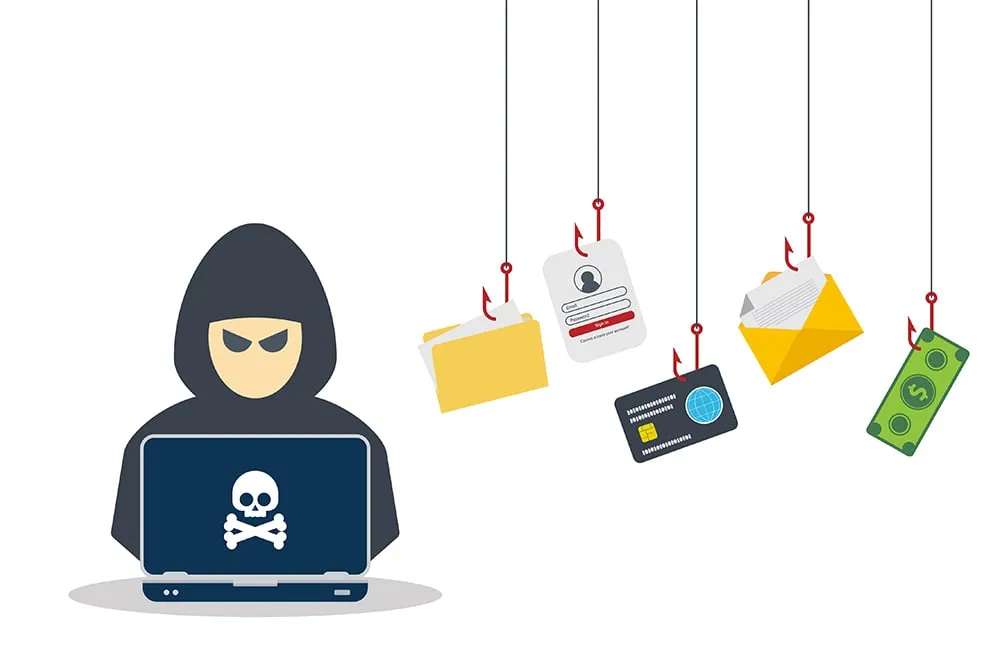
Forged invoices, CEO fraud and fraudsters posing as suppliers or customers are an increasing threat to businesses. But employees can also cause your business financial harm through fraudulent transfers or embezzlement. Fraud insurance provides cover for these risks.
Fraud insurance commonly covers two types of fraud:
- Internal fraud = fraud committed by an employee of the business. Examples include identity fraud, scams, forgery and theft;
- External fraud = fraud originating outside the business. Examples include CEO fraud, social engineering fraud, deepfakes, voice cloning, invoice fraud, fake buyer fraud and cyber fraud.
Examples of fraud
- Embezzlement of company assets by an employee: An employee orders goods and fraudulently diverts them for personal use. Or consider a business with a fleet of lorries: when a lorry gets new tyres, an employee replaces them with second-hand tyres and steals the new ones;
- Invoice fraud: You order goods, receive an invoice, digitally or on paper, and pay the bank account number shown on it. A few weeks later, however, you receive a reminder and discover that criminals intercepted the original invoice and sent you a forged one;
- Identity fraud: Criminals send an invoice using an email address that differs by just one letter from your supplier’s genuine email address, and you pay the invoice;
- CEO fraud: A criminal assumes the identity of the CEO or CFO, by email or voice, and pressures an accounts department employee to make an urgent payment.

What does the policy cover?
The policy covers the financial losses incurred by the business. It also covers certain costs directly resulting from fraud, namely legal costs and reputation repair costs. The insurer’s payment may be limited by an excess under the policy, for example 5,000 euros, and/or by a co-insurance percentage, for example, the insurer covers 80% of the loss.
What is typically excluded?
The policy may include a number of exclusions, which may be covered by another insurance policy:
Circumstances known at the start of the policy;
- Fraud by directors or shareholders;
- Losses relating to intellectual property rights, trade secrets, or customer or prospect information;
- Losses involving duties, taxes or fines;
- Fraud resulting from civil war, war or terrorism;
- Losses caused by kidnapping, ransom payments or extortion;
- Loss caused by fire, water or natural disaster, which may be covered by property insurance;
- Loss caused by a customer’s insolvency or bankruptcy, which may be covered by trade credit insurance;
- Unintentional errors, for example a ‘fat finger’ payment.
What determines the premium?
Before the policy starts, you must complete a questionnaire in which the insurer asks about your preventive measures. If these measures are in place, the insurer can prepare a quotation. The following factors determine the premium:
- Business activity (sector);
- Number of employees (FTEs);
- Turnover;
- Geographical presence;
- Payment controls and authorisation procedures;
- IT system security (antivirus software, password policy);
- Claims history;
- Policy limit;
- Excess amount.
Fraud insurance or cyber insurance?
Fraud insurance and cyber insurance have some areas of overlap. They complement each other, but should be viewed as separate policies. Cyber insurance primarily protects a business against cyber attacks, namely intrusions into its computer systems. It initially provides IT support, and also covers the business’s own interruption losses, for example following a ransomware attack, third-party losses (liability) and cyber theft. As regards cyber theft, it is worth noting that cyber insurance covers the theft of funds following a fraudulent transfer caused by an intrusion into the system, but not losses caused by forged invoices. These are covered by fraud insurance.
Good to know
It is wise not to publicise the fact that your business has fraud insurance. Some insurers even prohibit disclosing this, including internally within the business.
Do you have questions about this topic, or would you like an initial discussion about the best way to insure yourself against fraud? Contact Maarten Vanhalst, Corporate Consultant at Group Casier, [email protected] , +32 56 26 13 31.
Question about this story? Ask your question
Keep following this
Get an email when a new story is published. No account needed.
- SubjectNews







