












How can you combat fire risks?
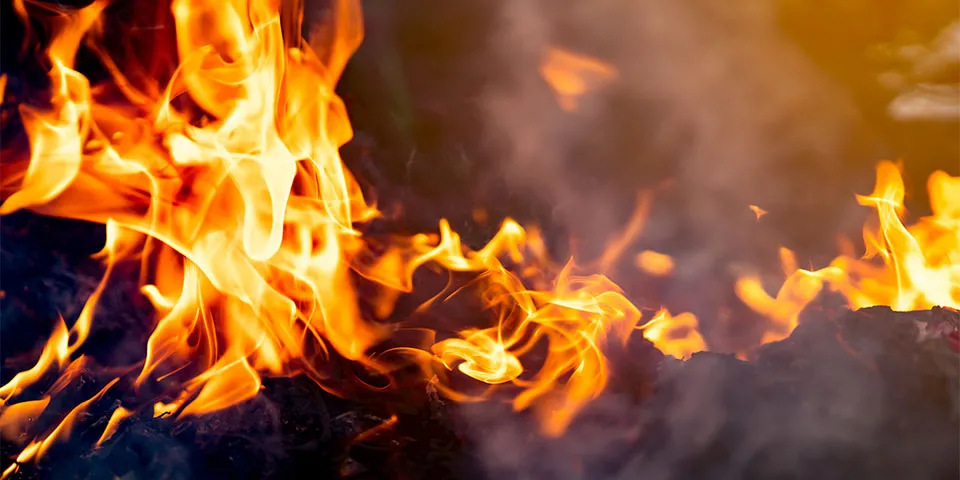
It goes without saying that waste processing is a fire-prone sector. But the fact that these risks are becoming increasingly difficult to insure affordably is linked to the sector’s evolution towards capital-intensive operations. Waste processing companies therefore need to develop a mindset that recognises fire protection as more than simply complying with mandatory rules. The greater the awareness, the better the risks can be contained.
The recycling sector has undergone a huge transformation in recent years. It has become a high-tech business, with state-of-the-art machinery for converting waste into raw materials. This has also turned the waste industry into a capital-intensive business, prompting insurers to view it with greater suspicion. It is therefore more important than ever to have a sound action plan for detecting fires on the one hand and tackling them on the other. But what is the best way to get started?
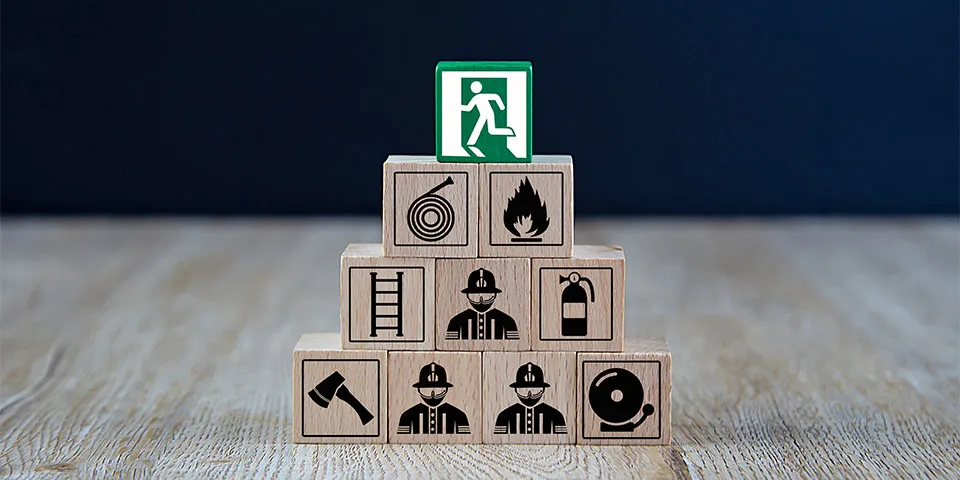
Detection is only one side of the coin. You also need an action plan for when a fire breaks out, and all your employees must be committed to it.
Start with a risk assessment
To find out how best to reduce fire risks at your business, you first need to analyse them thoroughly. A risk assessment should therefore always be the starting point for any fire detection and response plan. Always keep the overall picture in mind. Do not focus only on areas prone to self-heating. An electrical cabinet catching fire could also have disastrous consequences. Make sure you identify all the risks and assess them against the applicable standards. With all the standards and certifications involved in fire protection, this has become a field for experts. You can bring that expertise in-house or work with partners who can provide it for you.
Implement the right basic practices
Before turning to expensive technological solutions, you need to get the basics right. Fire safety starts with fire awareness. Make sure all machinery and materials are maintained at the right time and undergo the appropriate inspections where necessary. You also need to instil the right mindset in your employees. For example, they can help prevent dust build-up and ensure that materials are stacked to the correct heights. Also consider effective compartmentation to prevent a potential fire from destroying your entire business. Since self-heating is one of the main causes, you can also follow these golden rules.
- Apply the first in, first out principle to keep storage periods as short as possible
- Set strict acceptance criteria and implement detection techniques at the gate to identify contaminants
Balancing rapid detection with false alarms
The first technological component concerns fire detection. The aim is to detect fires as quickly as possible. But the more sensitive the technology, the greater the risk of false alarms disrupting your processes. The better the technology fits your production process, the easier it will be to strike the right balance. You do not have to opt for a one-size-fits-all approach across your business. Areas with a higher fire risk may require different solutions from, for example, your offices. That is why it is important to map everything out through a risk assessment first, so you can make the right choices.
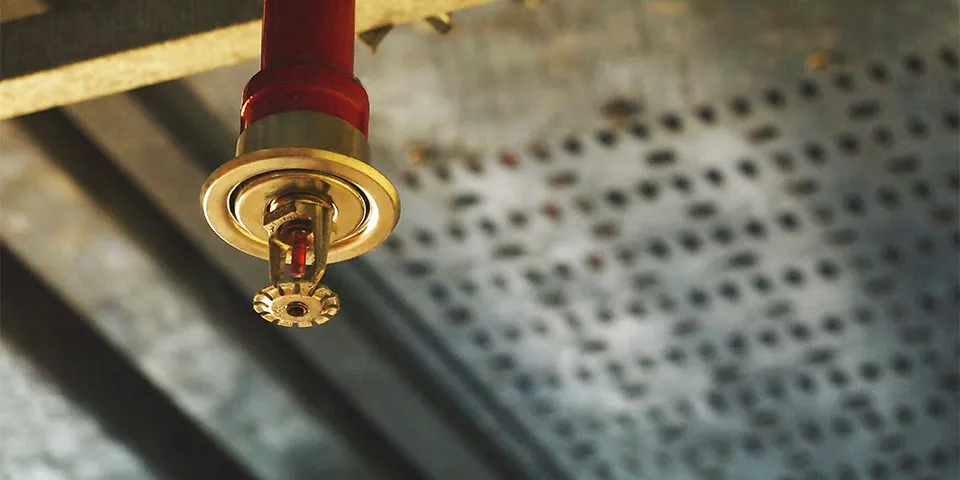
Areas with a higher fire risk may require different solutions from, for example, your offices.
Fire response starts with communication
Detection is only one side of the coin. You also need an action plan for when a fire breaks out, and all your employees must be committed to it. There are basic rules here too: make sure everyone is alerted as quickly as possible and evacuated to an assembly point. During the coronavirus pandemic, it must be possible to maintain a distance of 1.5 m from one another there. Always report the fire immediately to the emergency services or by calling 112. Technology can also help here. Fire suppression systems come in various forms and can provide highly effective protection. Alternatively, you can set up an in-house fire brigade (IBBD) to make an initial attempt to extinguish the fire, provided safety is adequately guaranteed. Bear in mind that rules have also been laid down for this, and must be followed.
Question about this story? Ask your question
Keep following this
Get an email when a new story is published. No account needed.
- ThemeSafe and clean processing
- SubjectNews







