Working together towards a circular, battery-safe future
Text Sara AdamImage iStock
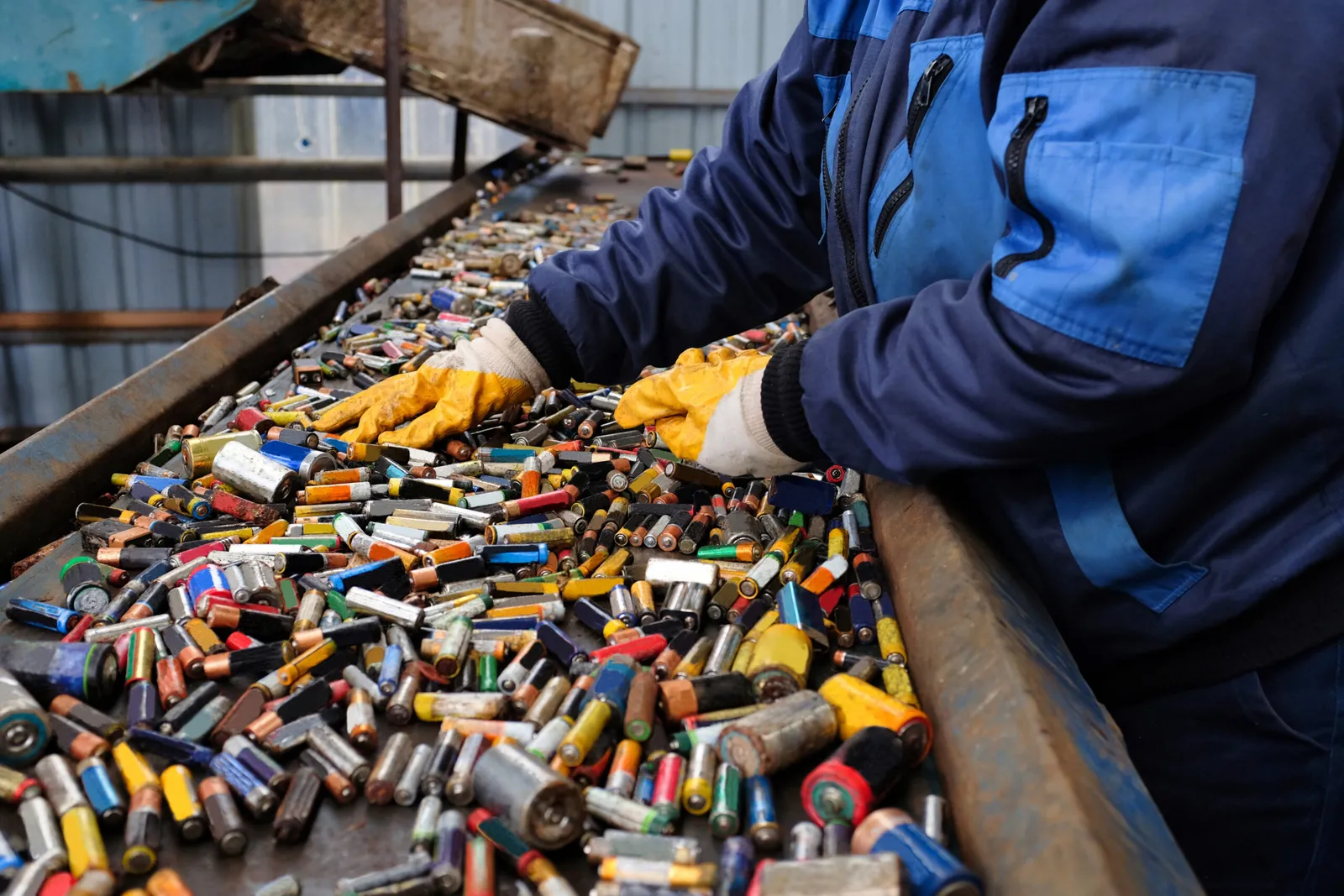
Media coverage of battery fires is increasing, putting companies in the circular economy and waste processing industries in a negative light. This is often unfair, because it is precisely these companies that make it possible to recover some of the materials behind the everyday conveniences we take for granted as consumers.
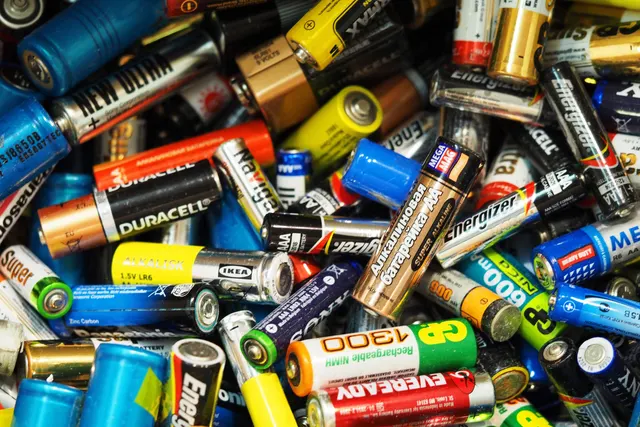
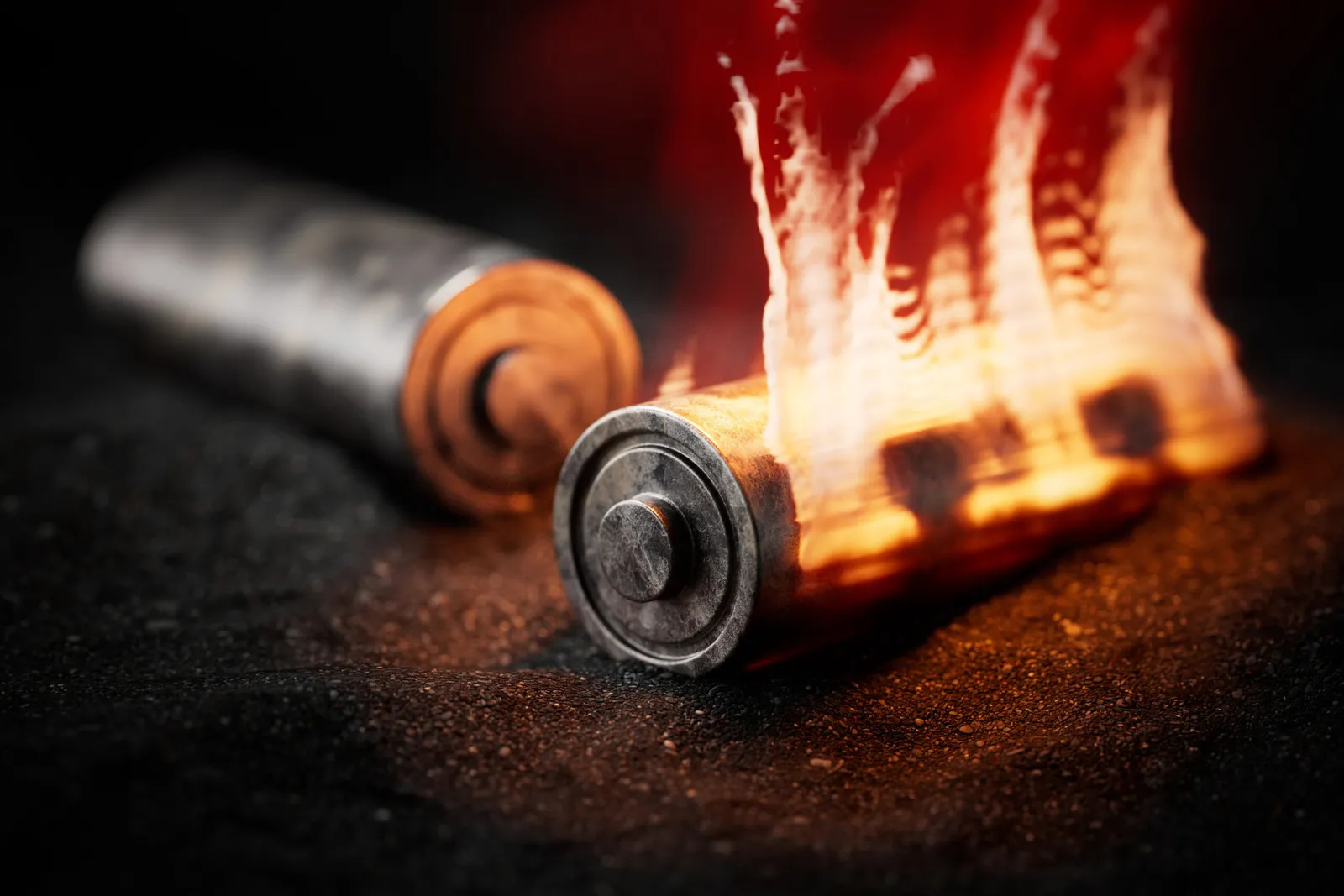
A battery is a concentrated store of electrical energy. At the end of its useful life, you might expect the battery to be ‘empty’, but nothing could be further from the truth. On average, the battery remains charged to a nominal voltage of 60 to 90% of the value stated on the label. This is a common cause of fires. If the negative and positive terminals come into contact while the battery is still charged, this can cause a spark or even a fire.
Responsible sorting and design
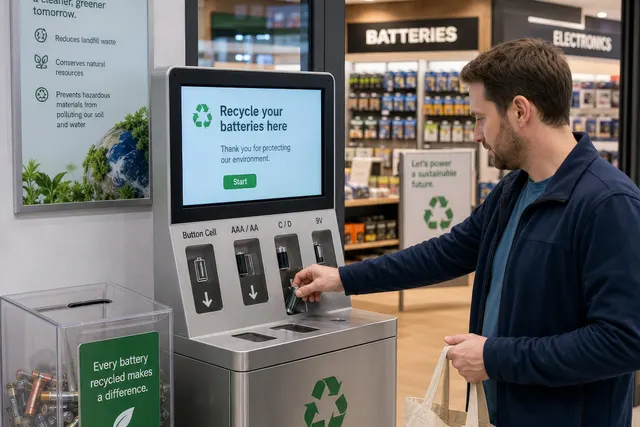
In our rapidly changing society, small electronic devices have become widespread in a very short time. Think of payment terminals or smartphones, where it is almost impossible to remove the battery. These devices still too often end up in household waste, putting everyone who comes into contact with them, as well as businesses, at risk. So this is a call to each of us to dispose of batteries and/or battery-powered devices in the right place. But perhaps we should also look to product designers?
Risk factors for insurers
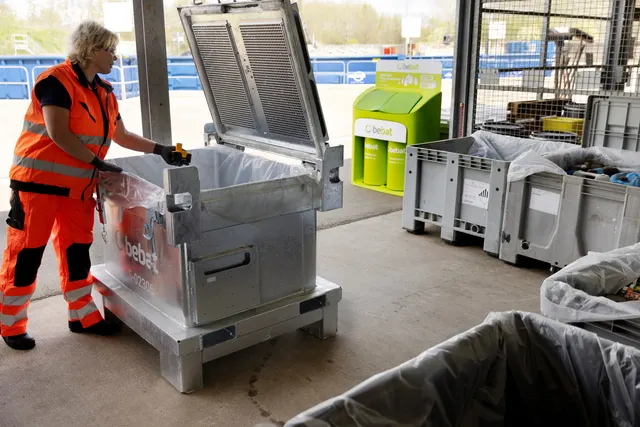
Insurers first look at the construction, compartmentation and protection of buildings (preventive measures). In this specific case, they look at the quantity and type of batteries received. Even more important are the processes in place. How much inspection is carried out? How are the batteries processed and/or stored? To what extent are management and the company as a whole aware of the risks, and how do they seek to reduce them? There is no single solution for the entire sector. Each activity, building and management team must be assessed individually.
Do you have any questions or need more information? Please contact Sara Adam, Corporate Consultant at Group Casier, [email protected].
Question about this story? Ask your question
Keep following this
Get an email when a new story is published. No account needed.
- ThemeCircular processing of electronics and batteries
- SubjectFire safety