New thermometric cameras for even faster fire detection
Text Valérie CouplezImage Araani
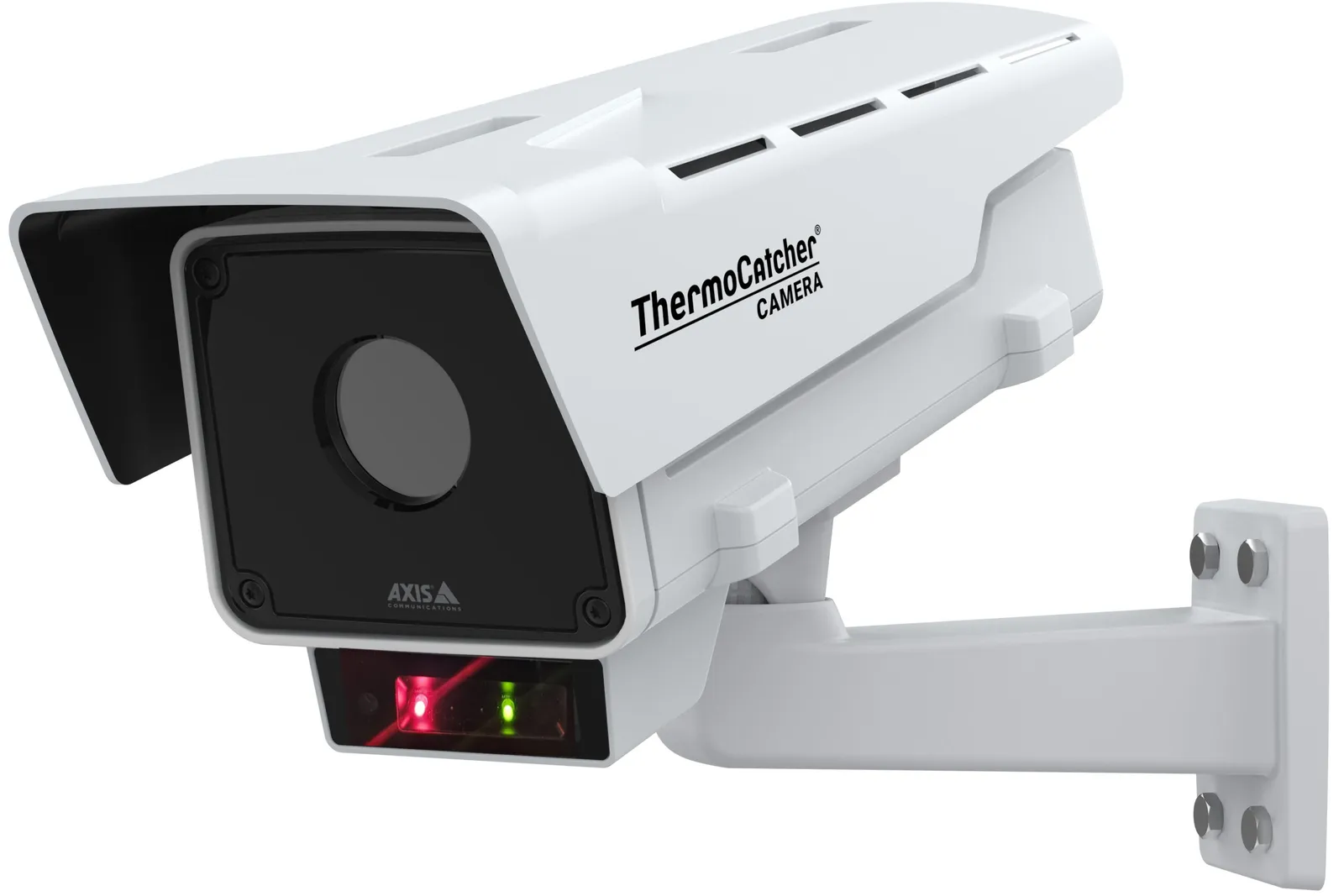
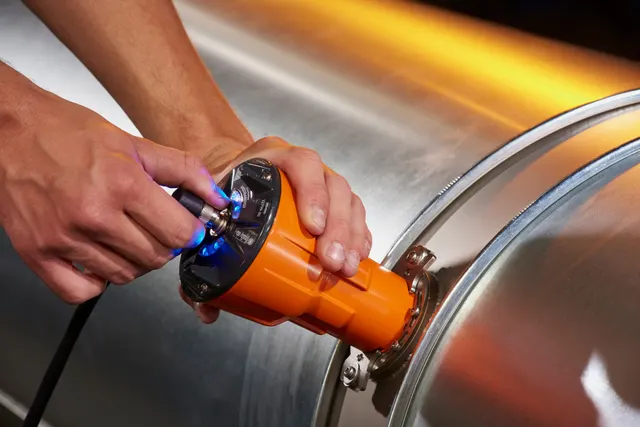
Every second counts in a fire. Araani knows this only too well. Thanks to intelligent image analysis, FireCatcher cameras have already prevented numerous incidents at recycling companies. Since June, a complementary technology has been available on the market: ThermoCatcher. It uses thermometric cameras that measure the exact temperature in designated zones. But Araani would not be Araani if its smart software did not deliver a unique solution to the market. With features such as hot spot, flame and anomaly detection, it identifies fire hazards before a fire actually breaks out. Those seconds really do make all the difference.
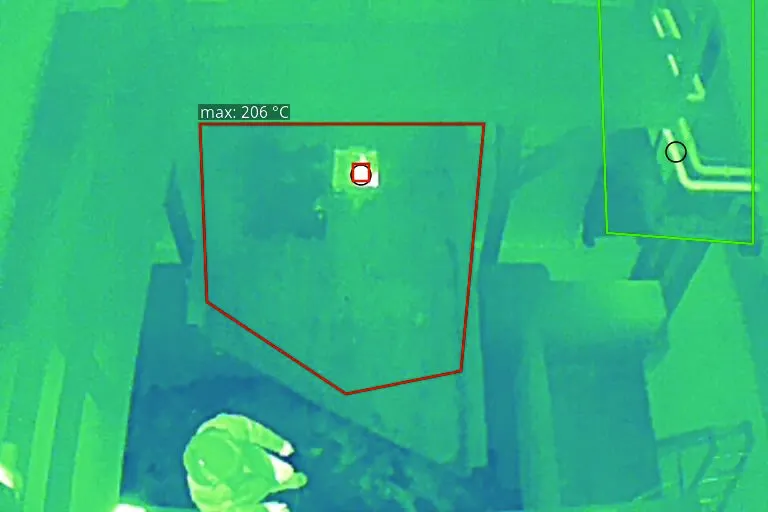
Thermal cameras do not see the world as we do. Instead, they divide it according to the heat they detect. This can be displayed graphically or as figures. Araani uses thermometric cameras for fire detection. Araani product manager Eddy Vermeulen says: “Our software converts the measured thermal energy into exact temperatures, which we then use to identify risks.” The emissivity of materials is taken into account. “Thermal energy involves highly complex thermodynamics. Some materials absorb and reflect more or less heat. Metal, for example, feels colder to the touch than wood. By understanding this thermodynamics, your thermometric cameras can provide the correct temperature for accurate detection.”
Certified to EN54-10
Here too, Araani uses AXIS cameras as its hardware, running ThermoCatcher software. “By supplying the ThermoCatcher Camera as an integrated system and connecting the camera signals to a fire alarm control panel, we can have it certified to the European EN54-10 standard. The process will be completed by the end of the year,” Vermeulen assures us.
For stationary and moving objects
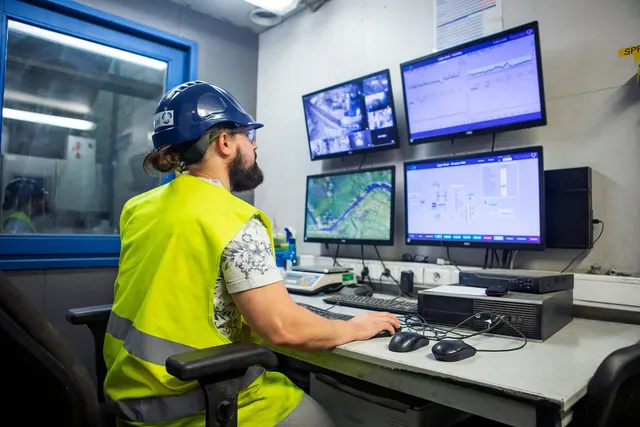
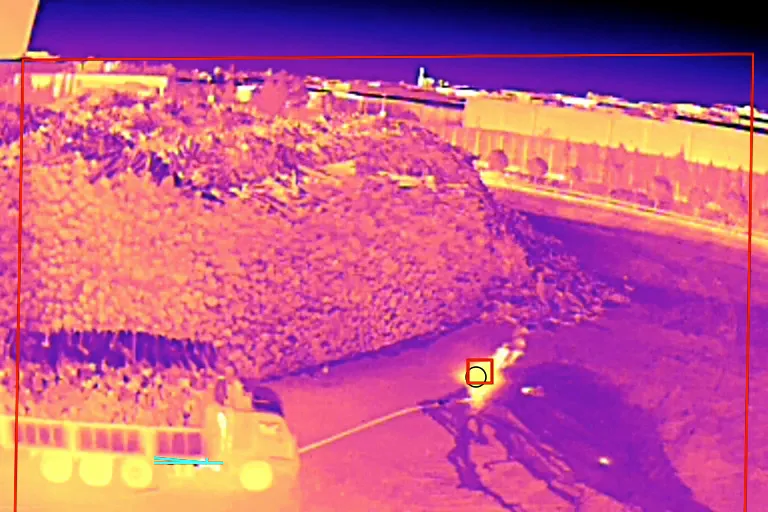
So what can ThermoCatcher Cameras do? Vermeulen highlights the three most important features and explains how Araani’s software makes a difference. “Hot spot detection makes it possible to monitor both the absolute temperature of certain objects and any rise in temperature. If, for example, the temperature rises by 10 °C very quickly, an alarm is triggered. Users can of course set these values themselves. We can do this for both moving and stationary objects by working with different zones, up to 25 per camera. So a rise in temperature on a conveyor belt will be flagged as a hazard, but not the temperature of the wheel loader motor as it passes by. The user also receives a video feed, so they can see for themselves what is happening, for instance to judge whether it is safe to intervene.”
Flame and anomaly detection
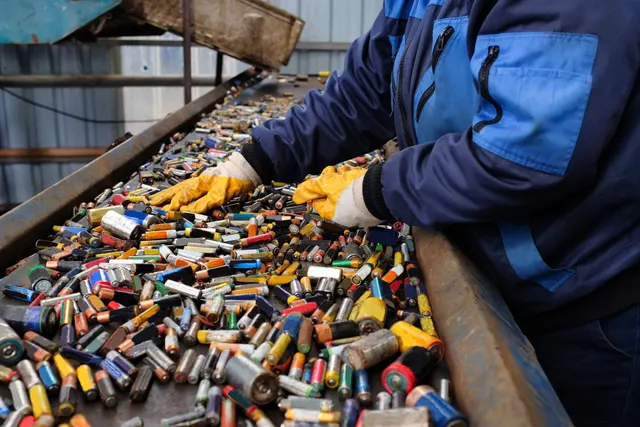
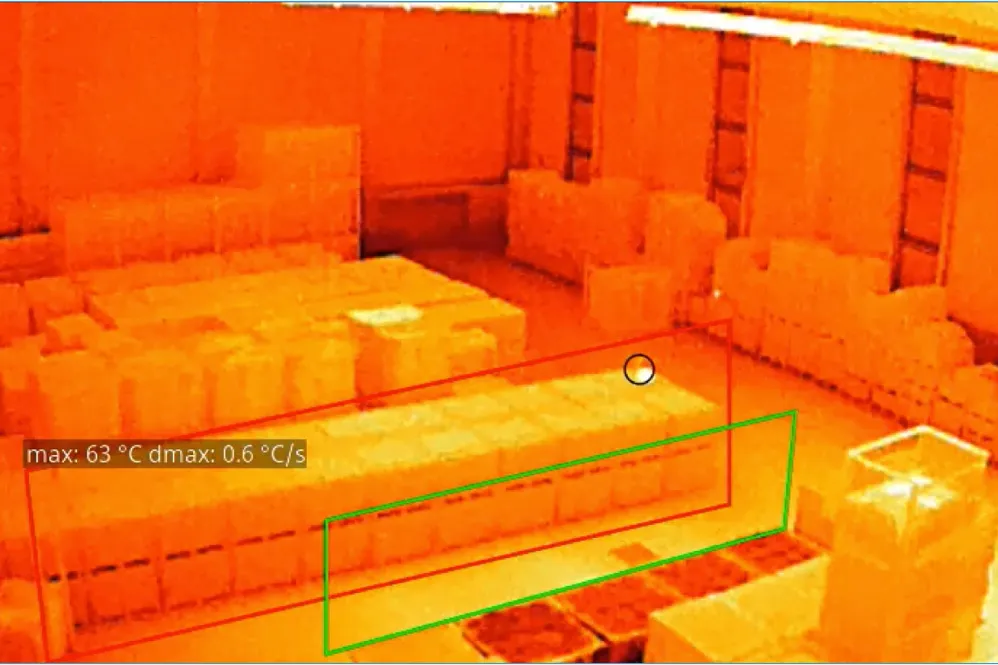
The second feature is flame detection. “This is where we are truly unique. Our algorithms know how flames behave in terms of temperature, size and physical characteristics. Unlike standard software, we can recognise their flickering, which helps us avoid false alarms.” Anomaly detection is another example of just how smart Araani’s algorithms are. “This allows us to monitor several similar objects or locations, such as different storage areas at a recycling company. Their temperature will change over the course of the day due to exposure to the sun. That is perfectly normal. Our software only triggers an alarm if one of those objects registers an excessively higher temperature or heats up significantly faster than the others. This means you can intervene before a fire actually breaks out. Those seconds often make all the difference in preventing damage,” says Vermeulen.
Connection to water cannons
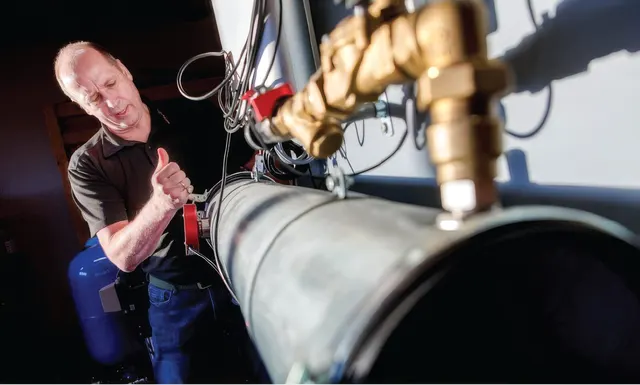
Other technologies can be connected to FireCatcher to limit the impact further. “This is done via Modbus, a standard communication protocol. Water cannons are a typical application, for example. Using signals from our cameras, they know exactly where to aim. Our cameras also indicate when they are not working properly. If a lorry blocks their view, or has collided with them and they are no longer looking at the correct zone, the user receives a fault signal. This is also part of the certification.”
Complementary technology
ThermoCatcher is therefore an important new tool in fire prevention. “The reason it is only now available is the affordability of thermometric cameras. We see it as a complement to what we already offer,” Vermeulen continues. This complementarity is partly down to environmental conditions. “Thermometric cameras can see in the dark and continue to work unaffected even in the presence of dust and vapour. However, they cannot see through materials such as wood. Visual cameras, which detect escaping smoke, are better suited to that. Together with the customer, we carry out a risk assessment to determine the most appropriate fire protection based on the hazard. As a software specialist, we also fine-tune the system: on average, for up to a month after commissioning, we analyse the alarms to optimise all the parameters.”
Question about this story? Ask your question
Keep following this
Get an email when a new story is published. No account needed.
- ThemeSafe and clean processing
- SubjectFire safety