Why AI-powered recycling recognition is fundamental to the sector
Text Kris VandekerckhoveImage AMP Robotics
Groundbreaking robotic solution for waste sorting
Robots have only recently made their debut in waste sorting, a field in which human sorters, optical systems and other sorting technologies have been in use for decades. Since robotic performance is still at an early stage, achieving wider acceptance remains a challenge. AMP Cortex™ is a robotic sorting system powered by AMP’s AI technology. It tackles all these challenges head-on …
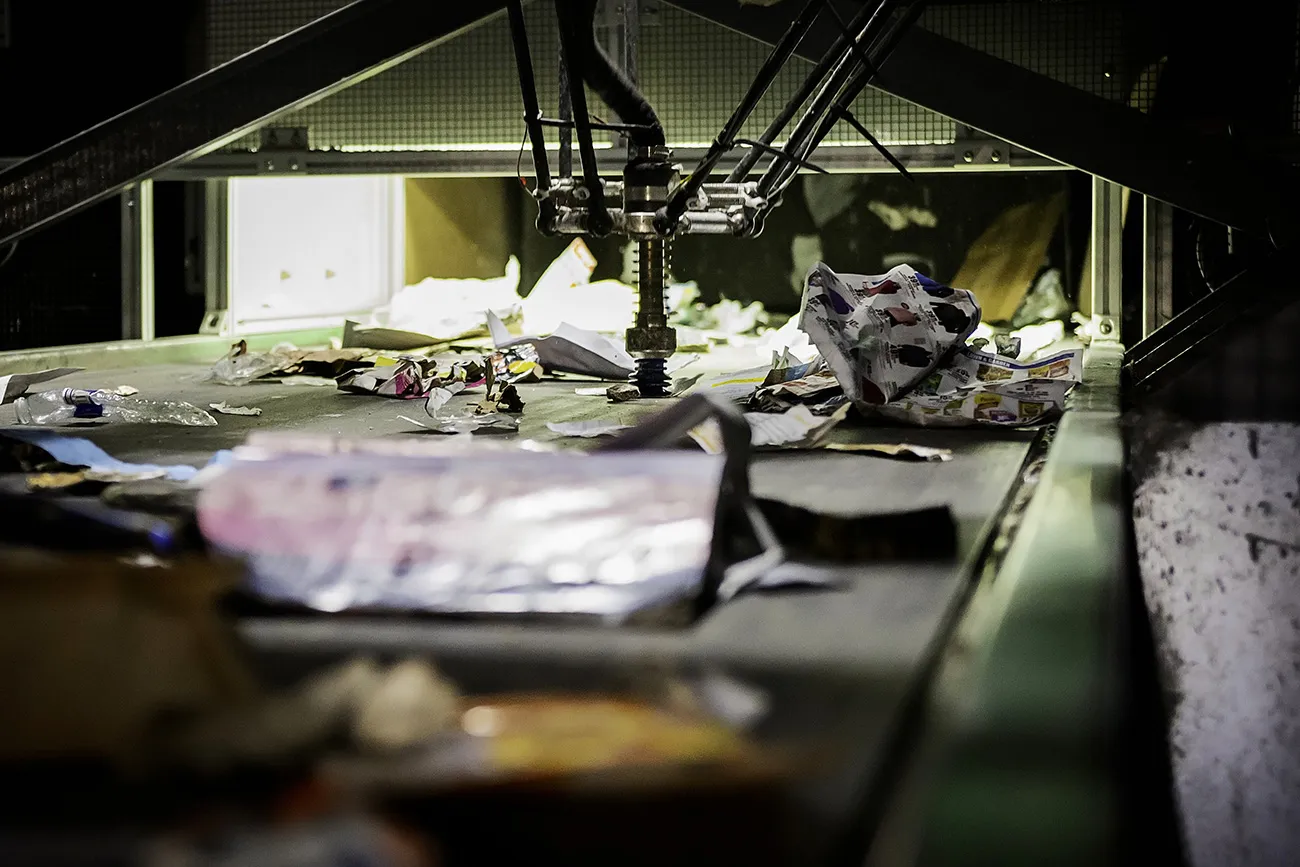
While robotic performance is based on combining mechanical movement with the ROS (Robot Operating System), there are factors that can affect it. These factors can broadly be divided into poor item recognition, material presentation, managing expectations and mechanical problems.
Poor item recognition
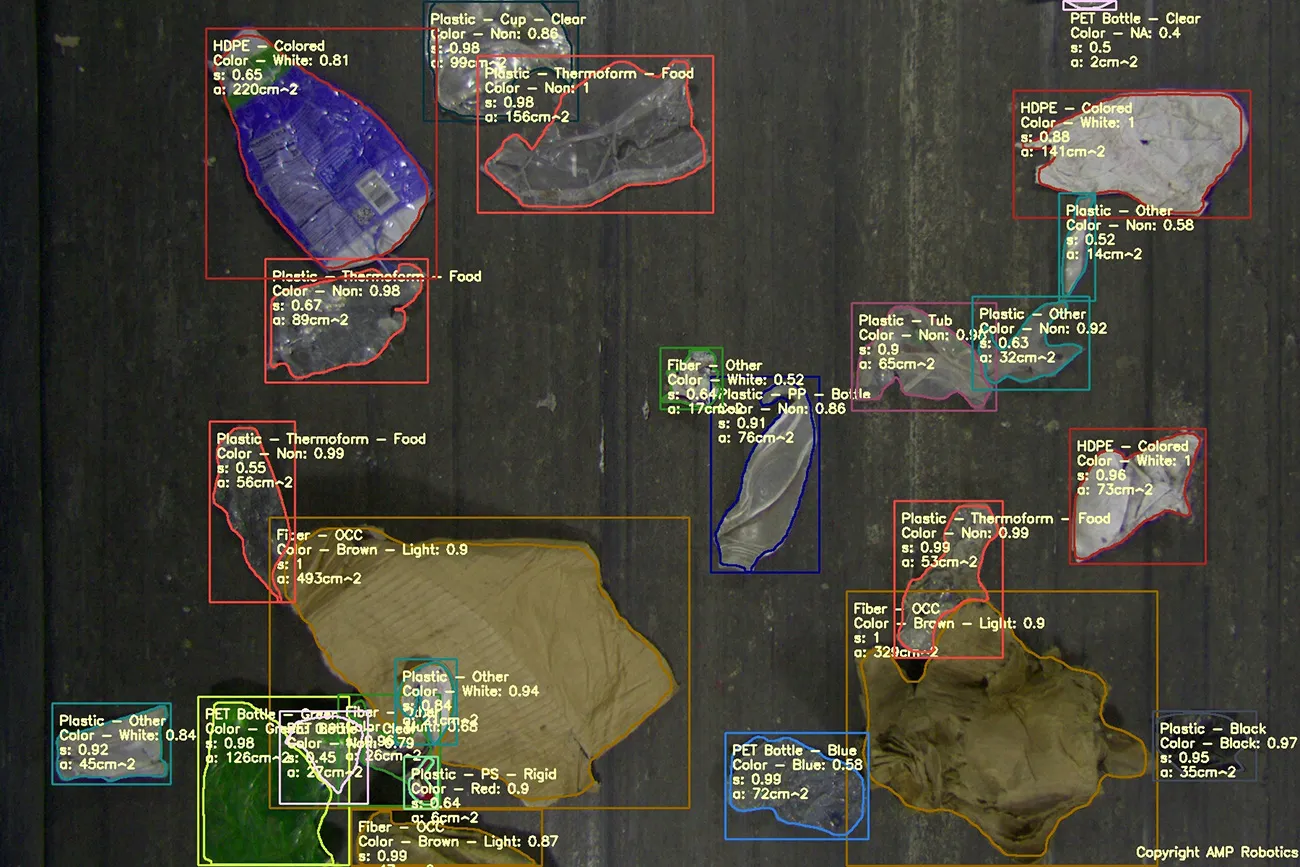
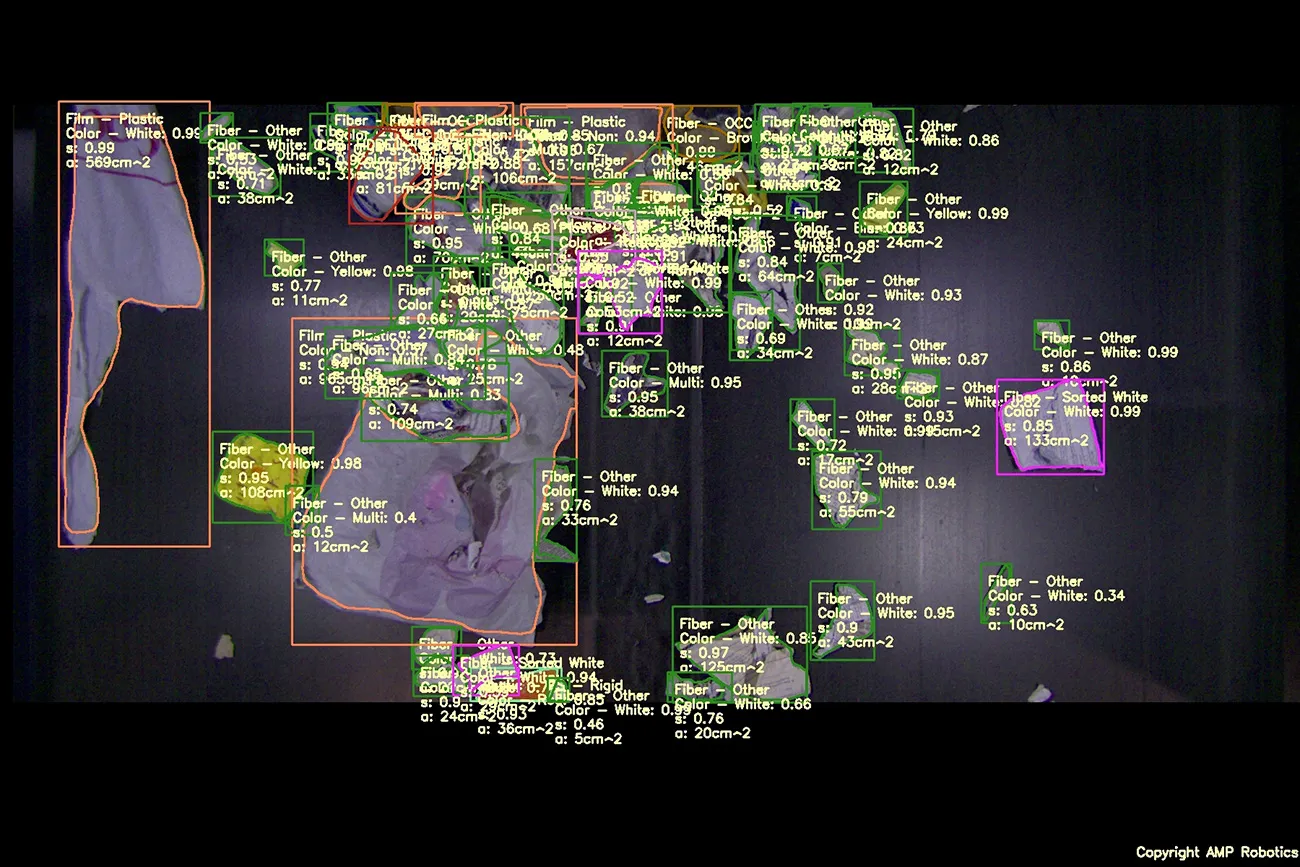
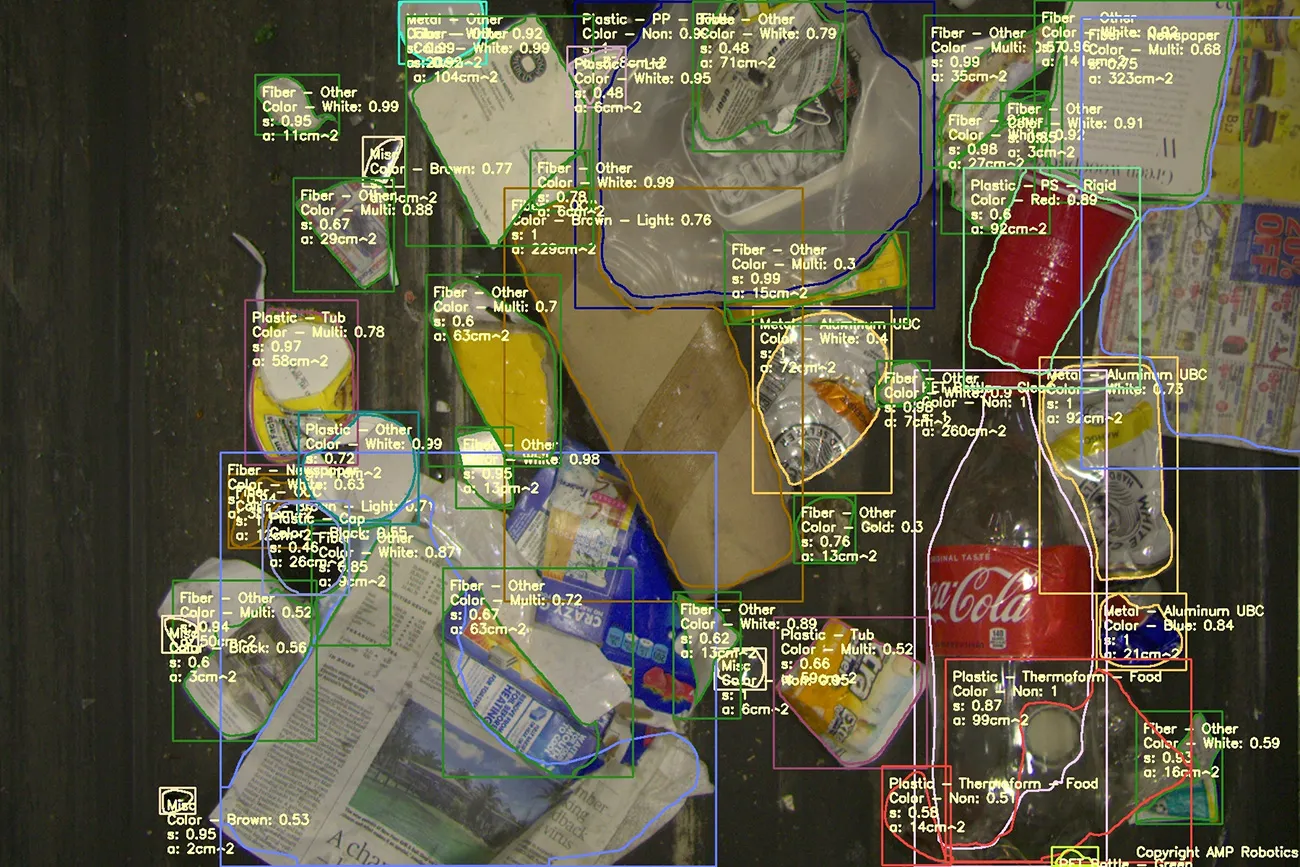
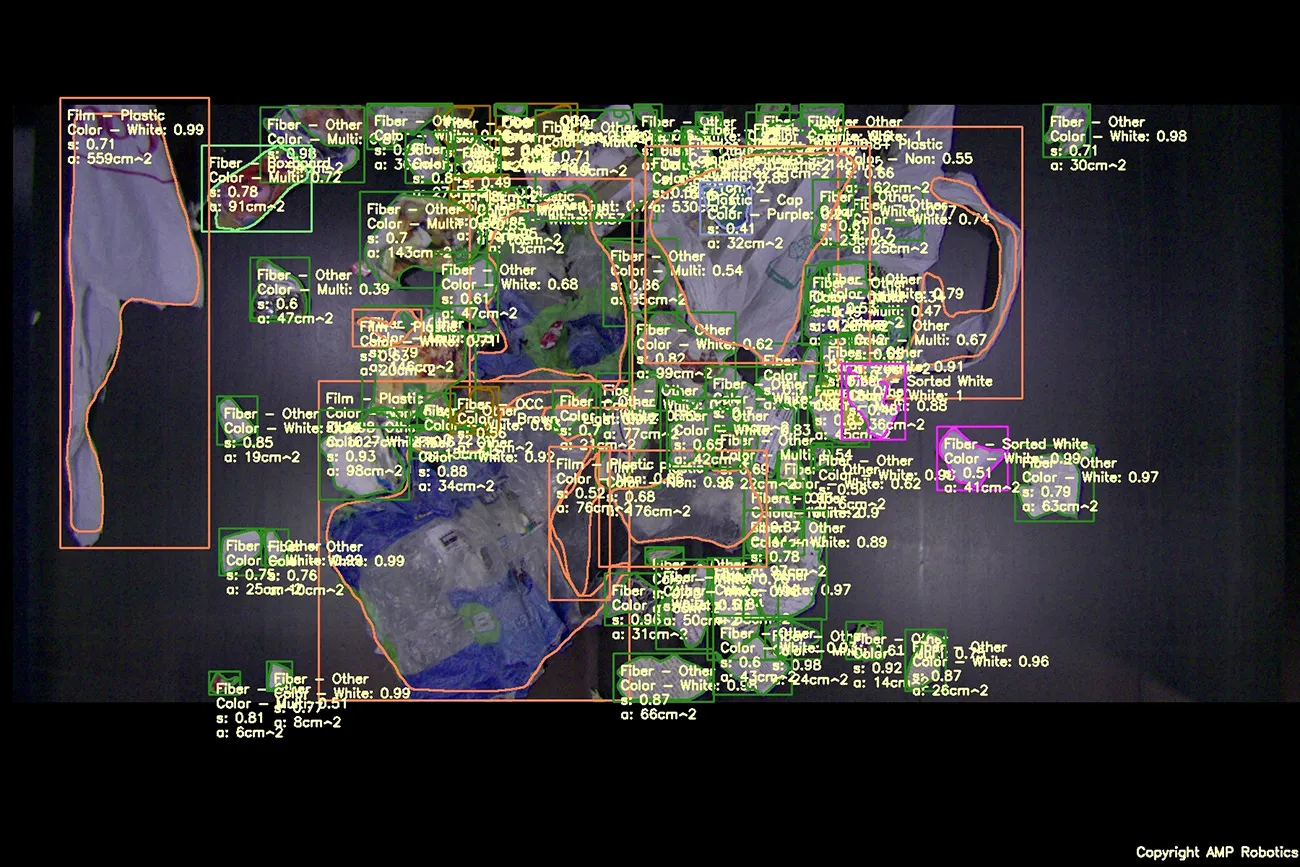
The main reason for this is very often the neural network. For anyone unfamiliar with how the technology works in sorting, there are three main components: a ‘vision system’ (the eyes), a neural network (the brain) and a robotic arm (the hands). The eyes detect and identify objects and send this information to ‘the brain’, which then directs the mechanical robot to perform the required action. If the neural network is not robust, the robot will miss items.
Material presentation
If the pile is too high, manual sorters can move the material on the conveyor belt to see what is underneath another item. Robots cannot do this. It is important to take this into account, because ignoring it has a direct impact on the robot’s performance.
Managing expectations
If a permanent internet connection is not desired, a neural network can also run locally. To avoid lengthy downtime, robot installations are carried out over a weekend, so the system can be up and running by Monday morning.
Mechanical problems
Adjusting the waste hoppers is not an impossible task, and the Cortex fits in almost all cabins. The modifications required for installation are therefore often minimal, making it ideal for the retrofit market.
Addressing the problem
In today’s fast-paced world, where AI is a buzzword, it is easy to get caught up in the excitement of developing ‘cool’ technology. The real goal, however, is simple: tailor AI to customers’ needs to develop a product that people can successfully implement in today’s recycling processes.
AI systems
AI systems are much more effective at detecting a wider variety of objects than sensor-based sorting equipment. Under ideal conditions, however, other sorting devices are more effective at distinguishing between polymers. An AI neural network can help assess how well current sorting processes are performing and how they can be improved.
From the perspective of digital transformation, society is notoriously slow to embrace digital transformation, especially when it comes to implementing new ways of managing and improving existing systems. A key aspect of digital transformation is the ability to implement and make optimum use of the new and emerging technologies now available, in order to optimise business operations and performance. AMP Cortex™ can be a major step forward in this respect.
Amp Robotics Corp, stand D117
Question about this story? Ask your question
Keep following this
Get an email when a new story is published. No account needed.
- SubjectEvents