Online event brings together best practices in sustainable materials and PFAS treatment
Text Valérie CouplezImage CDE Group
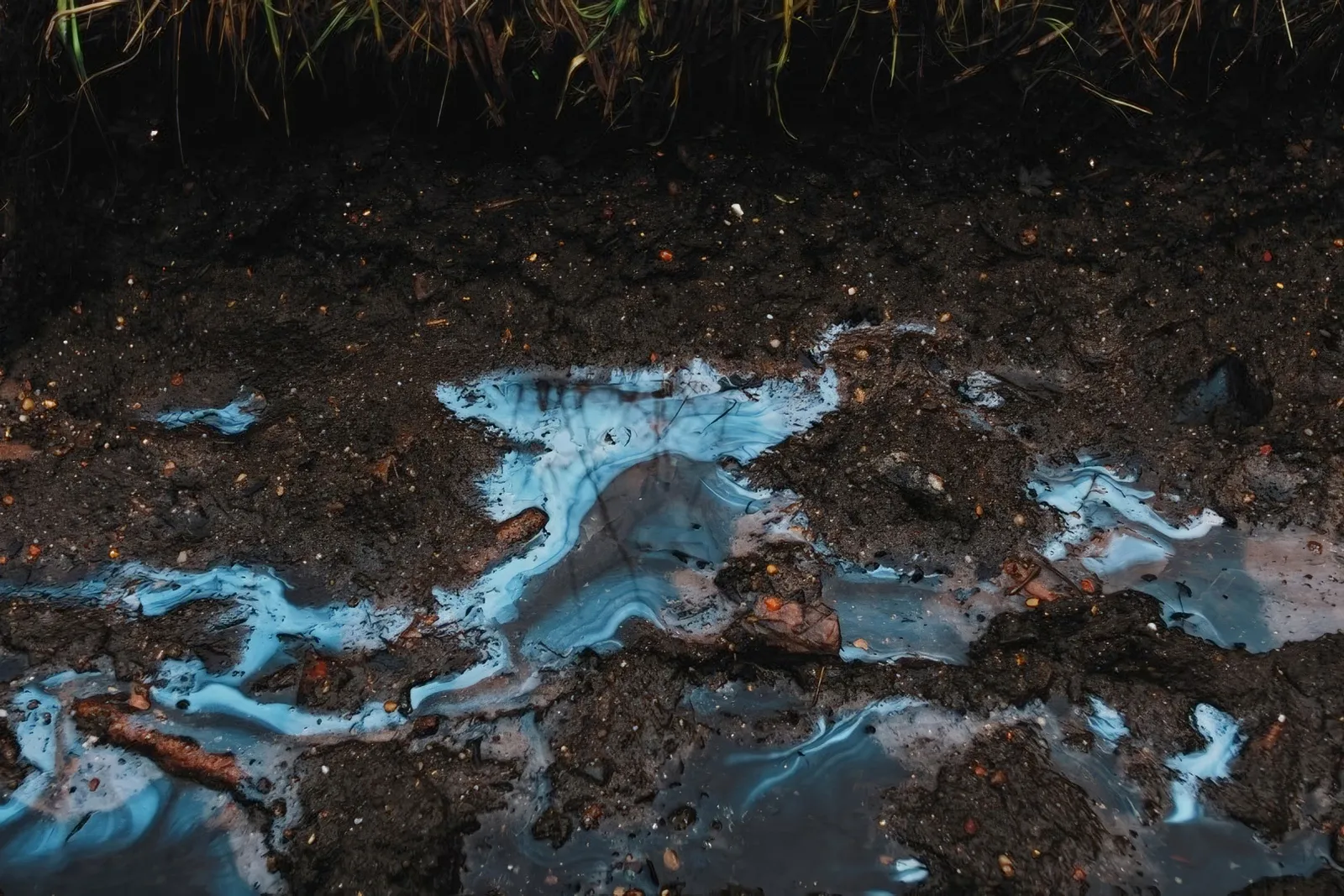
On 7 May, CDE is hosting the online symposium Circle 2026. The aim is to provide a picture of what the future of recycling will look like and how key challenges such as PFAS can be addressed. Eunan Kelly, Head of Business Development at CDE, tells us why this is an unmissable event for everyone in the recycling industry.
Circle 2026 has become an online event so it can welcome a global audience despite current travel restrictions. “We have secured the participation of many international experts who will share their knowledge. As a result, many more companies from the Netherlands and abroad wanted to register. Local circumstances may differ, but recycling companies around the world face the same challenges. With Circle 2026, we aim to offer inspiration and solutions. Anyone interested can attend the event online.”
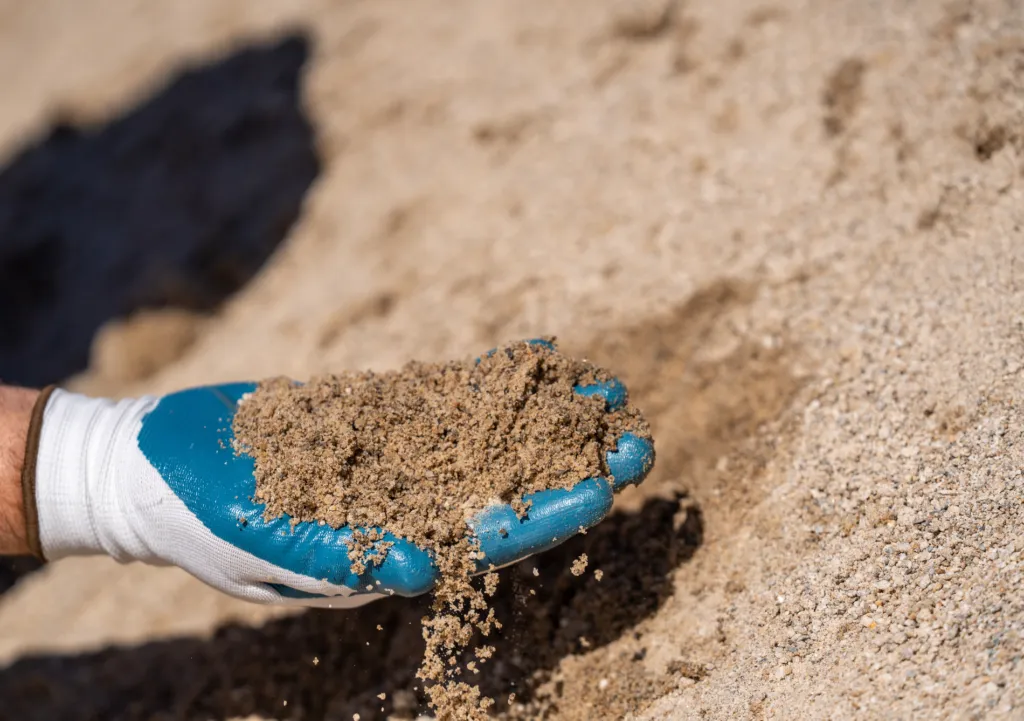
Treatment is essential for safe recycling
Throughout the day, experts will share their knowledge of the key issues facing recycling today and tomorrow. PFAS is high on the agenda. “We are seeing the focus in the construction market broaden from material recycling to treatment. Pollutants such as PFAS are a key reason for this. They need to be removed efficiently to enable safe recycling. We cannot simply pass problems on to the next generation. At CDE, we developed our first PFAS solution in Australia seven years ago and have recently delivered three plants in Europe. The company therefore has extensive experience and accumulated best practices that we want to share with the audience at Circle 2026.”
Raising awareness of the solutions
Kelly sees events such as Circle playing an important role in raising awareness. “Everyone in the sector knows the challenges. We need to recover and reuse more materials if we continue building at the same pace. Otherwise, shortages threaten. But fewer people know that effective solutions already exist to remove PFAS from soil, for example, enabling us to recycle more sand. Our technology can genuinely help recycling companies generate more business. We are not reinventing the wheel, but using proven technology innovatively in turnkey plants so they can meet even the strictest PFAS standards. That is the game changer.”
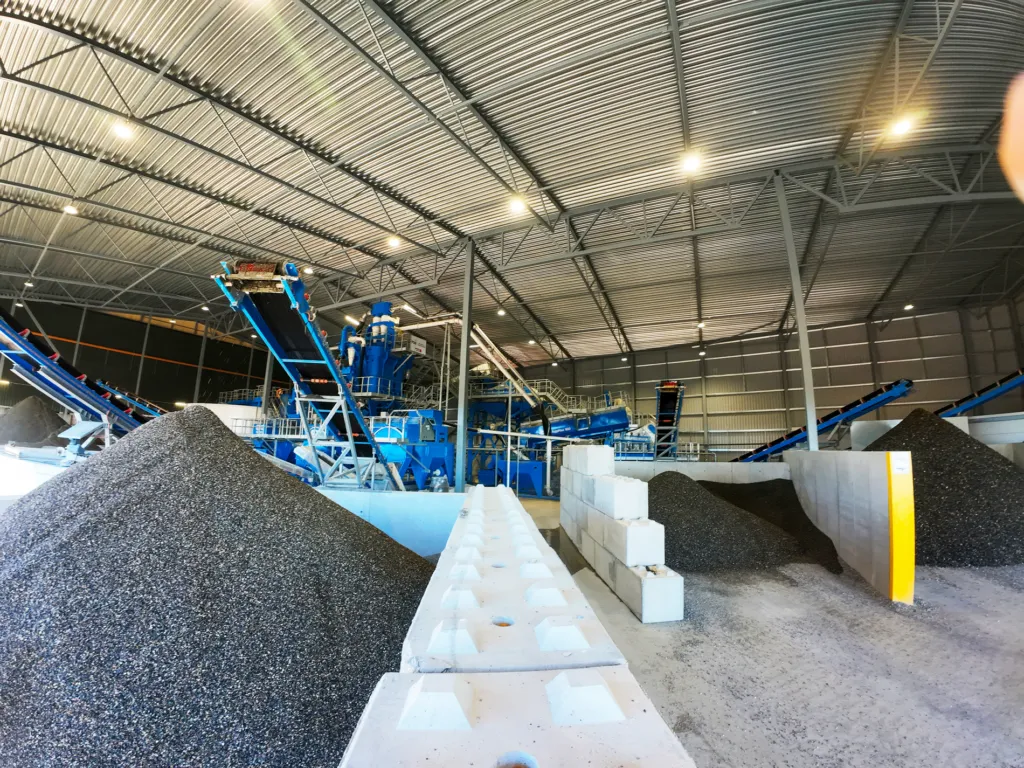
Maximising opportunities
The programme is broadly divided into two parts. “First, we set out the context: the challenges companies face today and what legislation requires. Then we look at what best practices have taught us: what the data tells us, where the pitfalls lie and what the success factors are. In this way, we address the entire value chain: recycling entrepreneurs looking to maximise opportunities, as well as people in academia or consultancy who want to deepen their knowledge of what can already be done on the ground today to tackle PFAS and other contamination. Participants can choose which sessions interest them and join whenever they like. To accommodate different time zones, those who have registered will be able to watch the sessions on demand afterwards.”
Continuing to reduce impact
“Ultimately, with Circle we want to build a community. When you share knowledge, a great deal comes back to you too. For CDE, tomorrow’s customer challenges are today’s solutions. You must keep questioning your own processes to reduce the impact on material flows. Our philosophy is to think about the next steps needed and how we can translate them into robust, accessible technology. That is how we create a better world, one tonne at a time,” Kelly concludes.
Een zakelijke vraag aan CDE? Get in touch
Companies in this story
Keep following this
Get an email when a new story is published. No account needed.
- ThemeSafe and clean processing
- SubjectEvents
- CompanyCDE