Plastics in transition: how the sector is shaping circularity together
Text and images Mikrocentrum
For technical professionals in the plastics and rubber industry, the transition to a circular economy is not just a sustainability issue, but above all a technical challenge. How can you process recycled material without compromising on quality? How can you optimise your production process for reused or bio-based materials? And how can you design a product so that disassembly and material recovery are achievable from the outset?
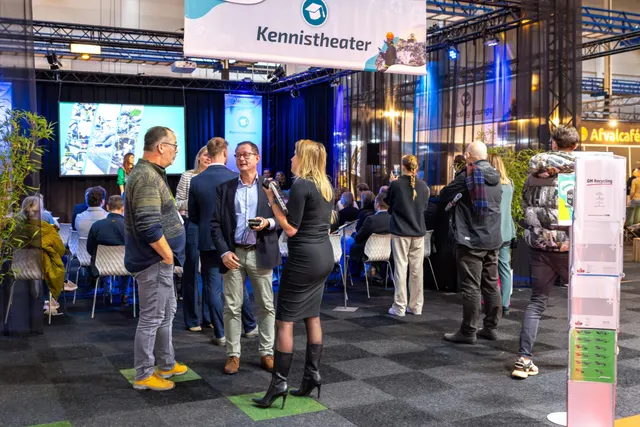
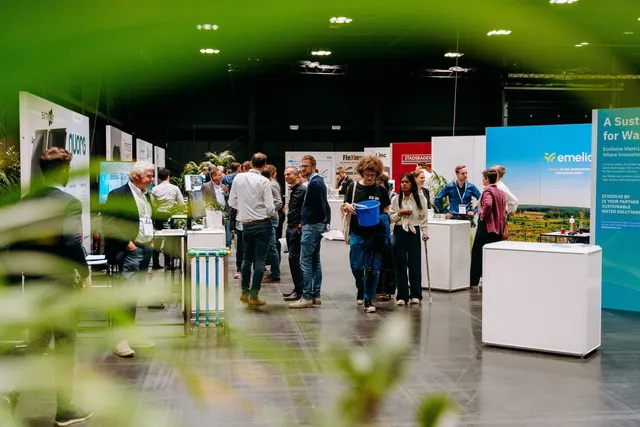
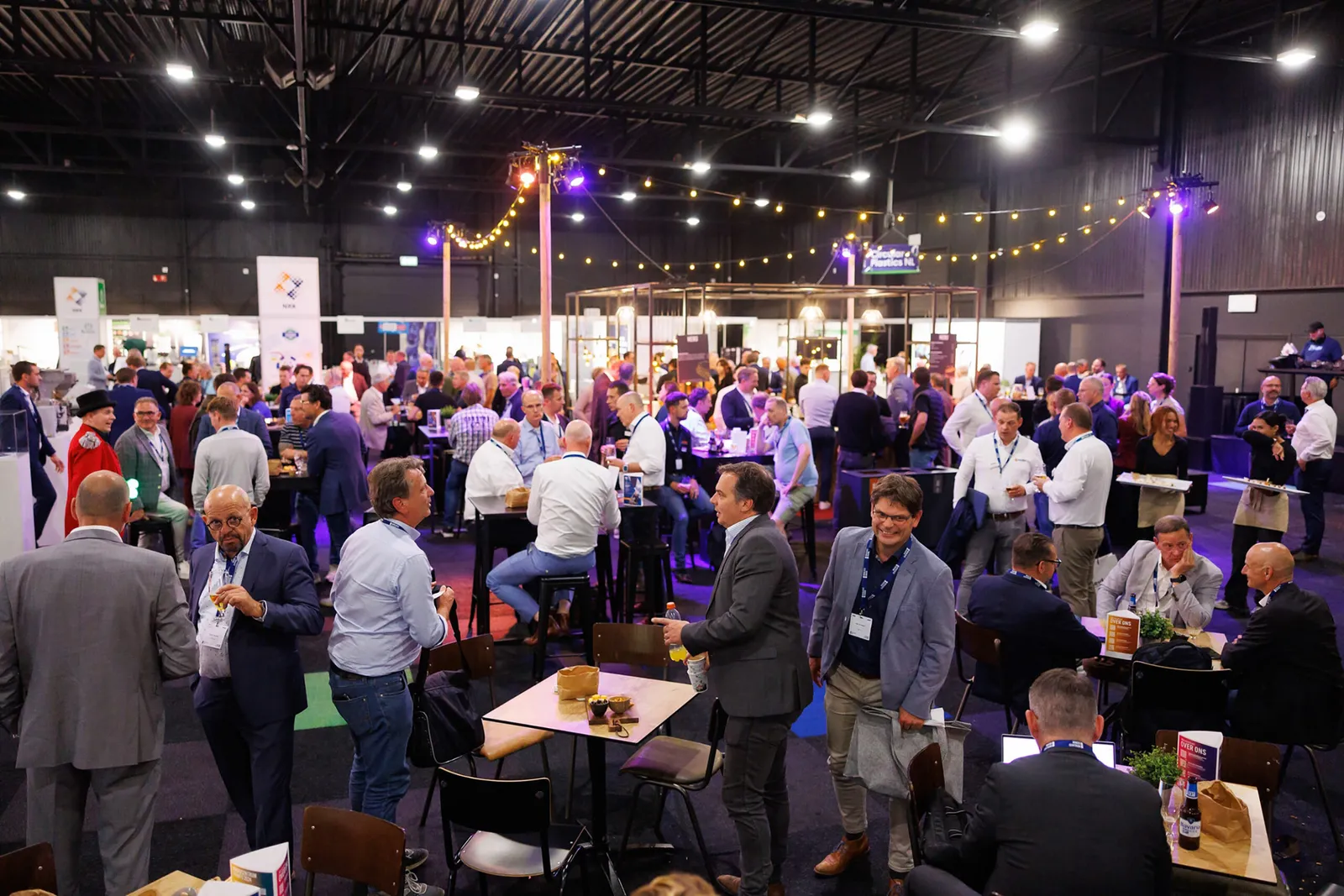
The Kunststoffenbeurs 2025, taking place on 17 and 18 September at the Brabanthallen, offers practical answers to these questions. Here, materials expertise, process optimisation and design principles come together in an environment focused on real-world applications. With more than 180 exhibitors and several demonstration areas, you can discover how the sector is putting circularity into practice from a technical perspective, from processing recyclate to sortability and digital product passports.
New materials expertise and process parameter adjustments
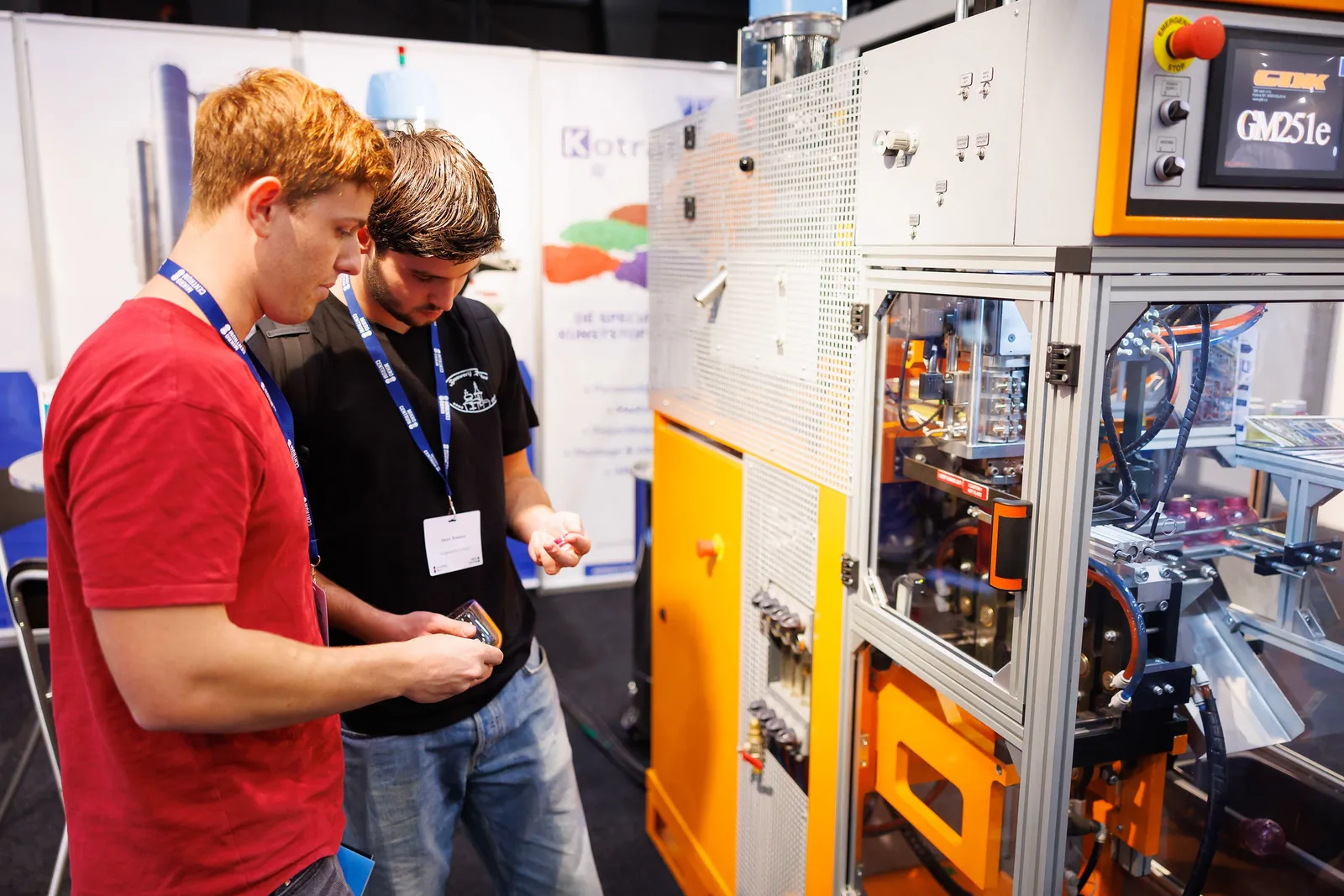
The rise of post-consumer and post-industrial recyclate calls for new materials expertise. At the trade fair, you can see how compounders and material producers are working to improve the stability and reproducibility of recyclates. This includes solutions for odour contamination, colour consistency and additive management. Materials laboratories demonstrate how laser welding, injection moulding and extrusion perform with different recyclate streams. Manufacturing products with recyclate or biopolymers often requires adjustments to process parameters. See and experience how machines adapt settings in real time in response to material variability, using in-line measurement systems, smart sensors or closed-loop process control.
Design for recycling and digital twin solutions
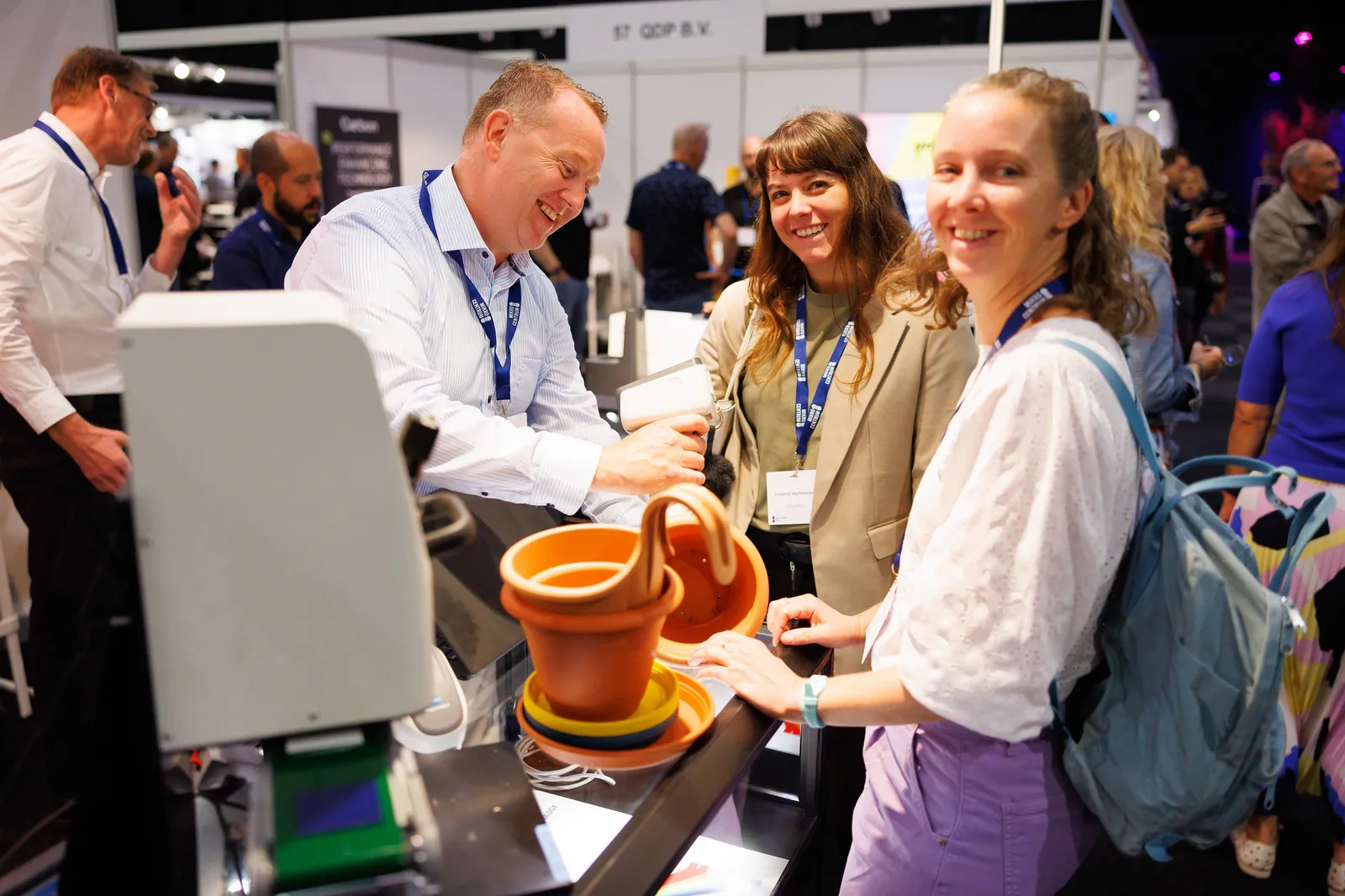
Automation and digital twin solutions help predict quality and optimise cycle times, even with heterogeneous material streams. Design for recycling is now essential. Designers and engineers demonstrate how smart joining techniques, monomaterials and minimising additives can improve recyclability. Sortability through NIR recognition and traceability using markers and digital product passports are also in focus, with examples from packaging, automotive and technical applications. The Kunststoffenbeurs shows that circularity starts with technology, but only works when the entire value chain moves with it. From collection companies to recyclers, and from machine builders to end manufacturers, collaboration across the value chain comes to life in practical case studies, themed areas and talks.
Design and produce more intelligently
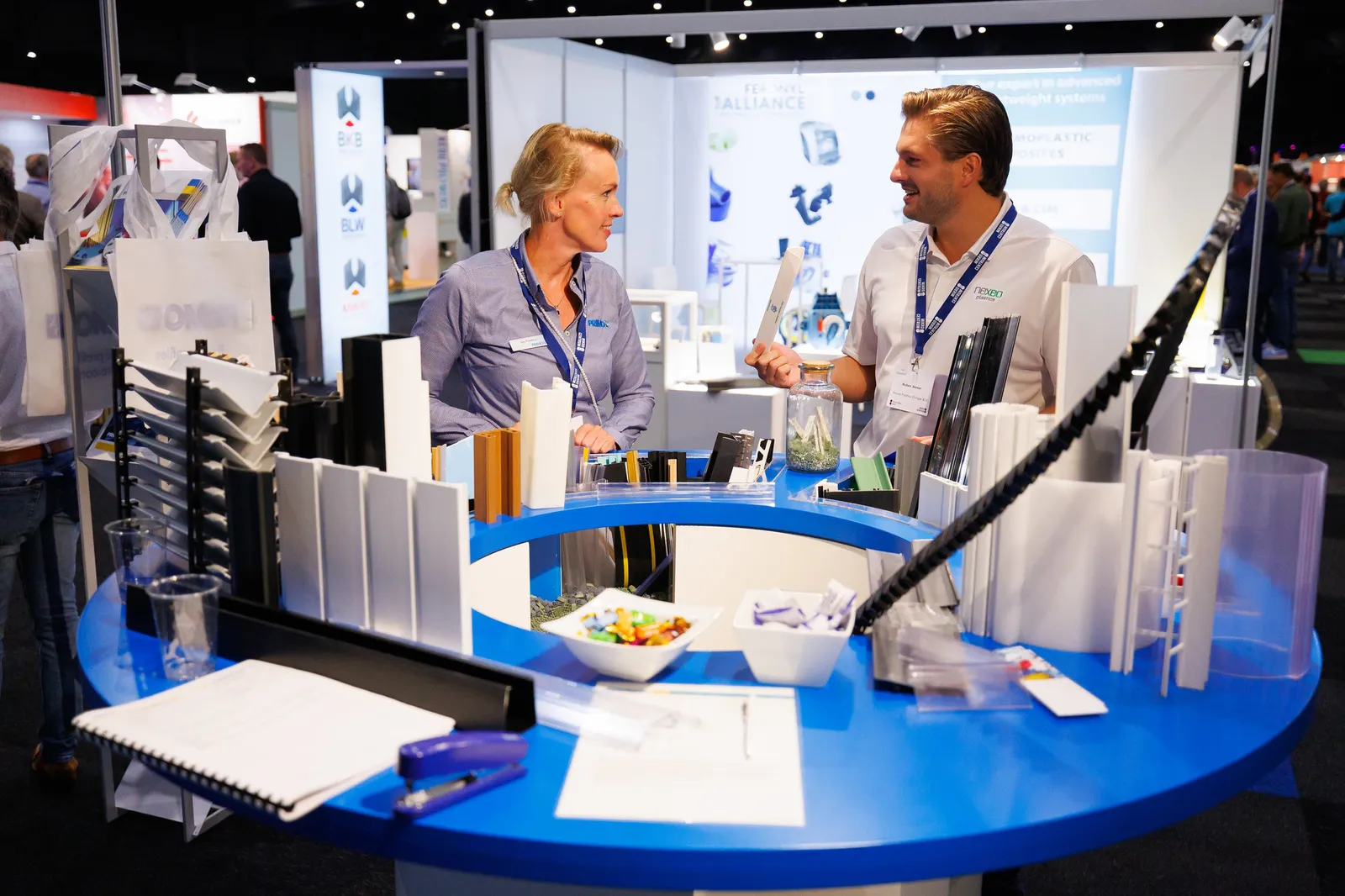
For technical professionals, this means not only designing or producing more intelligently, but also understanding how upstream and downstream decisions affect product quality, processability and compliance. Are you responsible for engineering, process optimisation, material selection or product development in plastics or rubber? The Kunststoffenbeurs offers a unique opportunity to compare the latest technologies, discover practical innovations and share knowledge with industry peers. Admission is free. Register at www.kunststoffenbeurs.nl and see how the sector is shaping circularity through technology.
Question about this story? Ask your question
Keep following this
Get an email when a new story is published. No account needed.
- ThemeMaking plastics and packaging circular
- SubjectEvents