Making machine components more sustainable
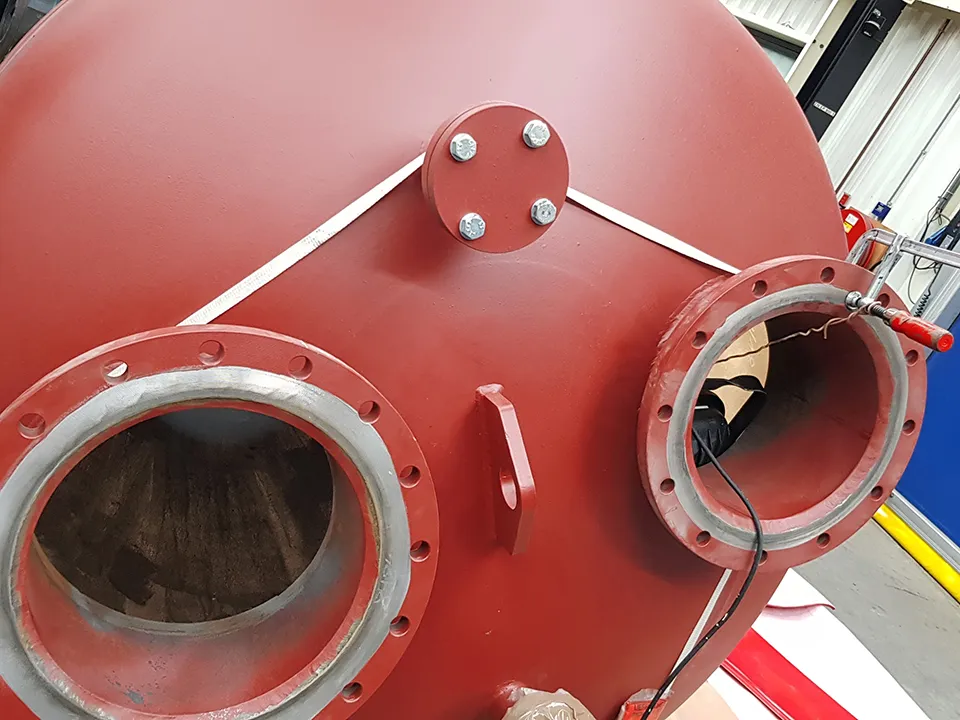
Continuously dropping grain or maize into a steel hopper at high speed, processing sand in a chute or conveying gravel on a conveyor belt can wear down even the best components, according to account manager Joost Keijzer at Muller Beltex in Pijnacker. “Our registered product Kryptane is the ideal solution, good for the environment and the wallet.”

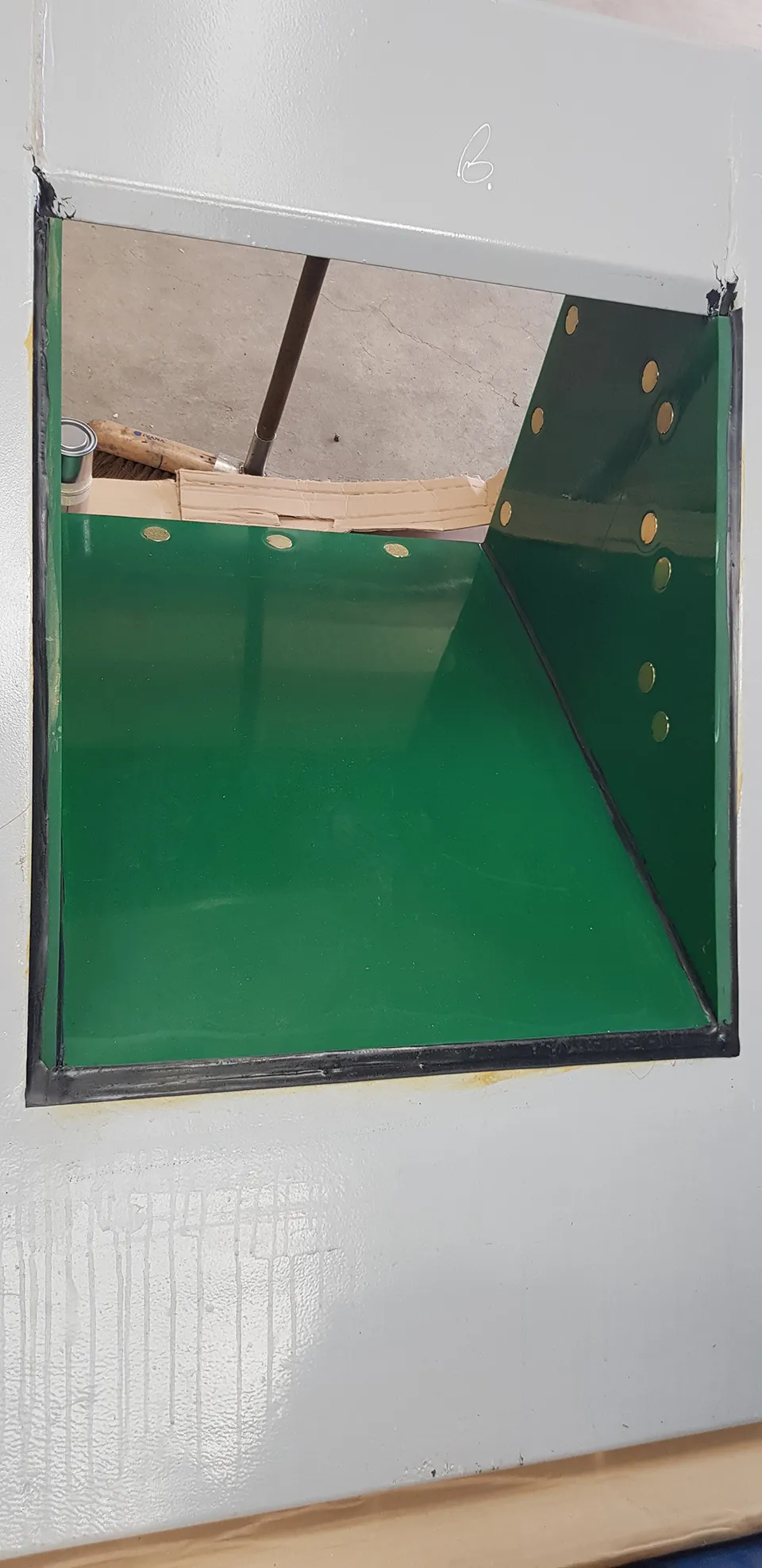
Muller Beltex has been supplying components for the vertical and horizontal mechanical conveying of dry bulk materials such as grain, maize and sand, as well as finished products such as animal feed, since 1950. Keijzer: “We operate worldwide in 65 countries, supplying components such as belts, bolts, buckets, connectors, drums and rollers. Together with our manufacturer in the United States, we have developed Kryptane into what it is today: a unique polyurethane blend made to a secret formula. It helps components wear down less quickly, thereby making machinery more sustainable. When applied to parts such as vibrating and sliding chutes, elevator boots and transfer points, Kryptane helps maintain their flexibility for longer. It absorbs the impact energy and transfers it back to the material. The result: less wear and noise. It also prevents material build-up.”
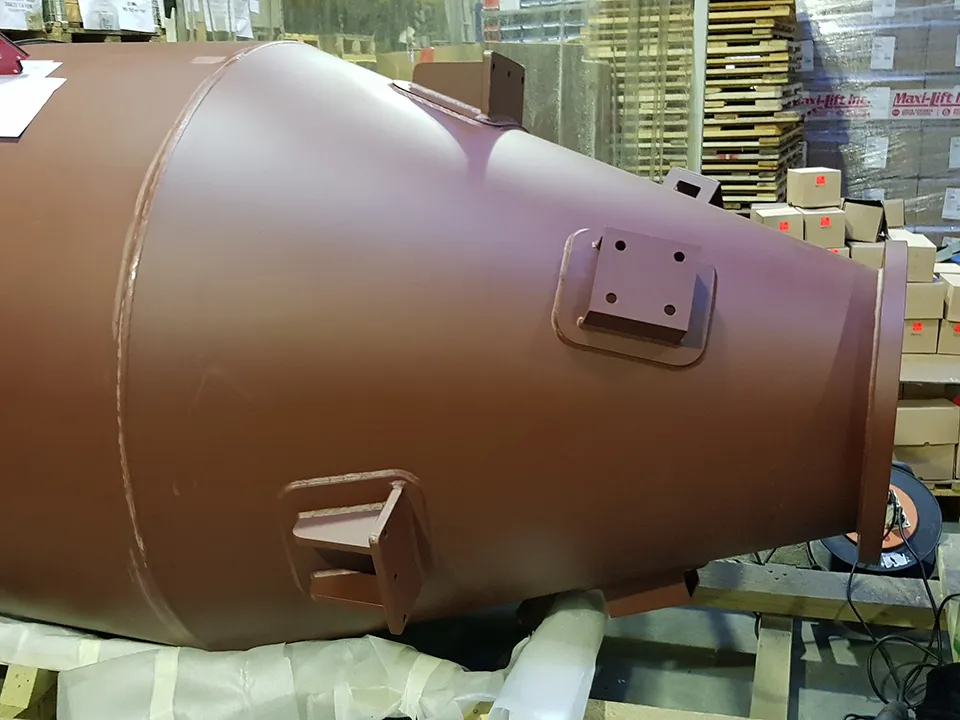
Different types of coating
Keijzer: “End users such as animal feed manufacturers also send us components, which we then coat and return. We also apply the coating to machinery manufacturers’ installations. This enables them to raise the quality of their installations in terms of noise reduction and wear resistance.”
A wide variety of bulk materials means that different types of protective lining are needed. Keijzer: “Working with wet sand is different from working with dry grain. That is why we supply different types of Kryptane: one is resistant to oils and fats, while another stands up well to acids or moisture. We use only fresh, liquid base ingredients, which are mixed at the last possible moment and at the right time. This creates a unique bond that helps maintain flexibility for longer. Material hardness is also important, which is why we coat components to a hardness of 59 Shore. At this hardness, a stone can fall from a height of a few metres onto the material at an angle of 45 degrees without causing problems, and the impact is dampened. We also supply coatings with hardness ratings of 80, 83 and 90 Shore, with the latter ideal for preventing sliding wear and material build-up. A globally renowned beer producer.”
Question about this story? Ask your question
Keep following this
Get an email when a new story is published. No account needed.
- SubjectEvents