












Diversity and inclusion strengthen companies’ resilience for the future
Text and images Valérie Couplez
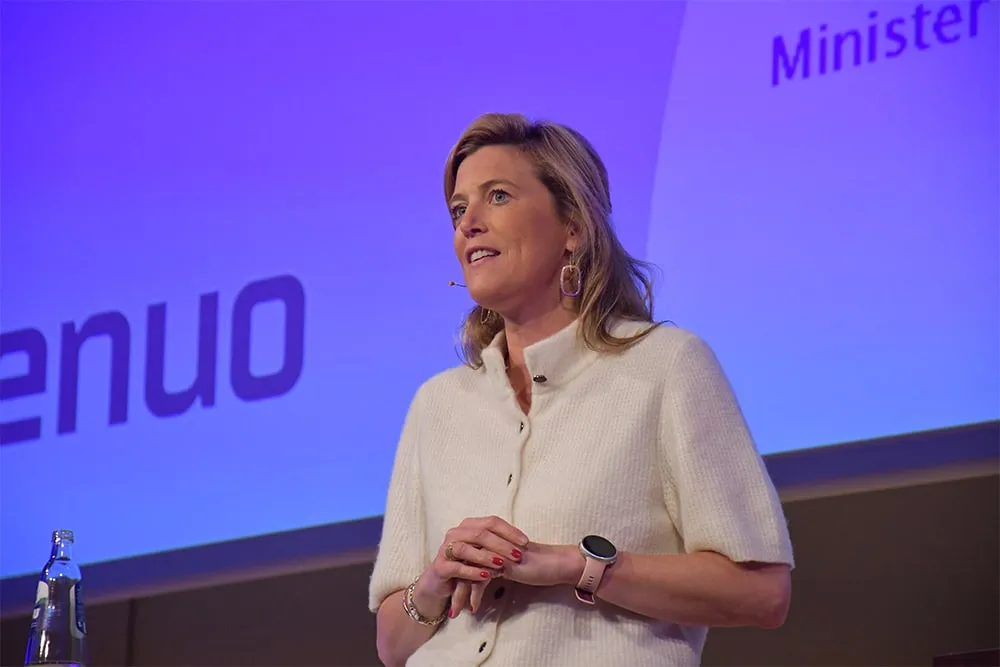
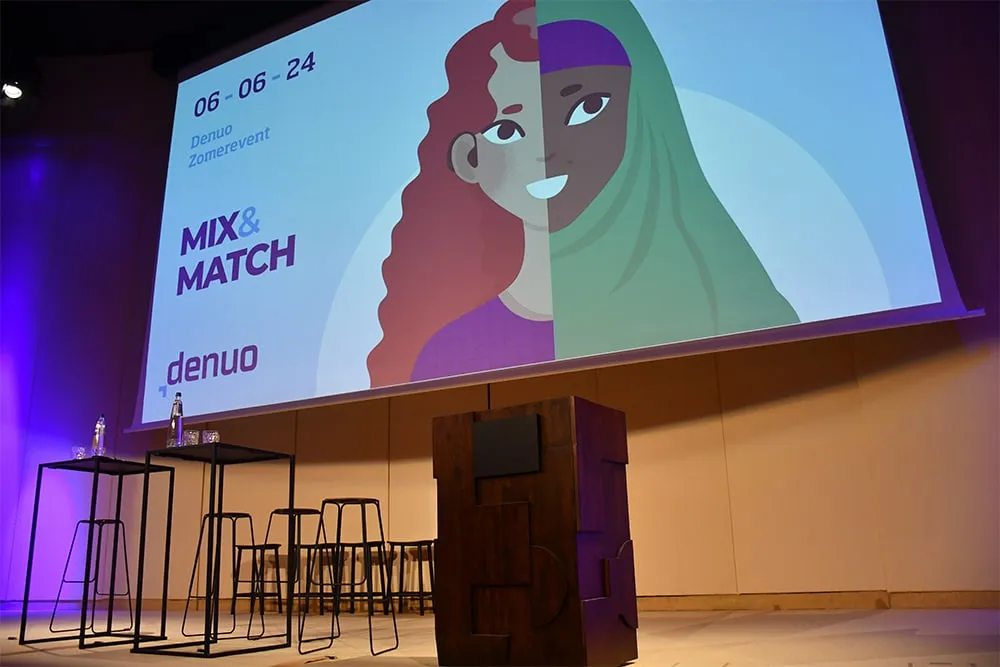
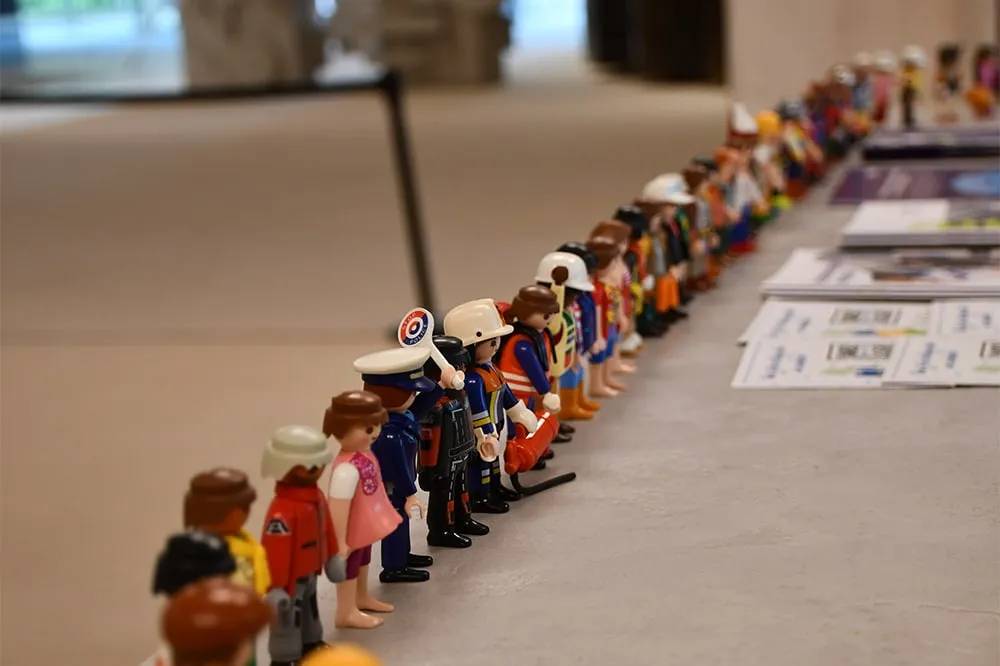
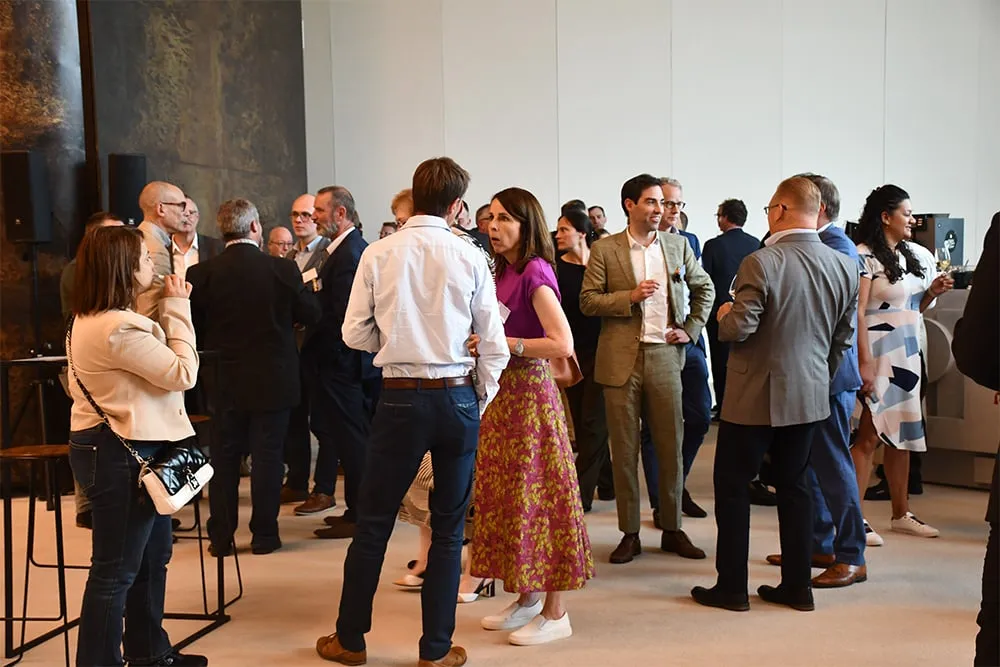
At its summer event in June, Denuo highlighted two key words for the future of recycling to the 120 participants: diversity and inclusion. The image that best captured this in words? Dozens of Playmobil figures showing that, however different we all are, there is still a match. Diversity, then, because it is the ethically right thing to do, but also because it is an economic necessity. Research shows that companies that invest in this are generally more innovative, make better decisions and have more workers available to boost productivity. A win-win-win, then. The subject was examined from every angle in two panel discussions and a keynote speech by Minister of the Interior Annelies Verlinden. Afterwards, it was time for participants to network.
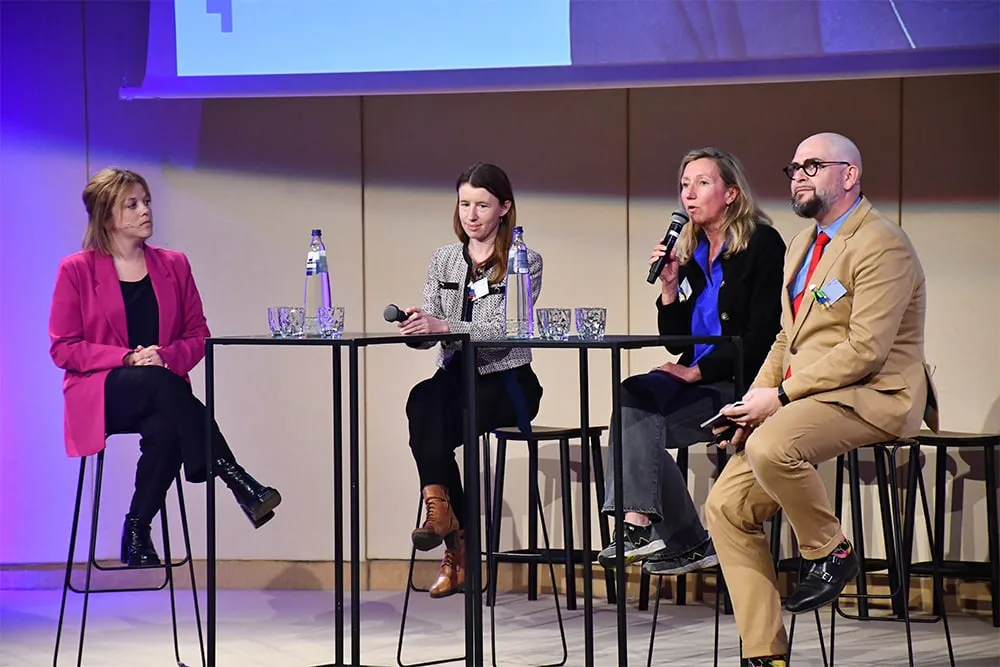
In the first panel discussion, Marie-Cecile Jacques of Exaris Interim and Caroline Deiteren of Embuild were questioned about inclusion and diversity in the temporary employment and construction sectors, and their links with the waste and recycling sector. Exaris Interim is something of an outlier among temporary employment agencies: its work is driven by a social purpose. It aims to give low-skilled Brussels residents under the age of 30 the opportunity to find work by focusing on motivation rather than qualifications. “Diversity and inclusion start with setting stereotypes aside. It is about connecting with other people and being open to their stories, so that we can build more harmonious relationships. We believe this is the path to economic progress, a journey every industry must embrace,” said Jacques.
Focus on training and technology
Embuild, formerly Confederatie Bouw, is the main representative body for the construction sector in Flanders. The 130,000 people working in construction come from a wide range of nationalities. Deiteren said: “With the labour market so tight, our construction and installation companies have to look further afield. But this can only succeed if we focus on training. In just a few weeks, new workers can be equipped with the practical and language skills they need, with support from VDAB. The role of technology in this story should not be underestimated either. A translation tool on a smartphone can make a huge difference. We are also working hard to improve our image and become young people’s first choice when they think about a job. The construction sector offers important solutions to societal problems, is increasingly adopting innovative techniques and is also working hard to address the climate challenge.”
A talent for repetitive work
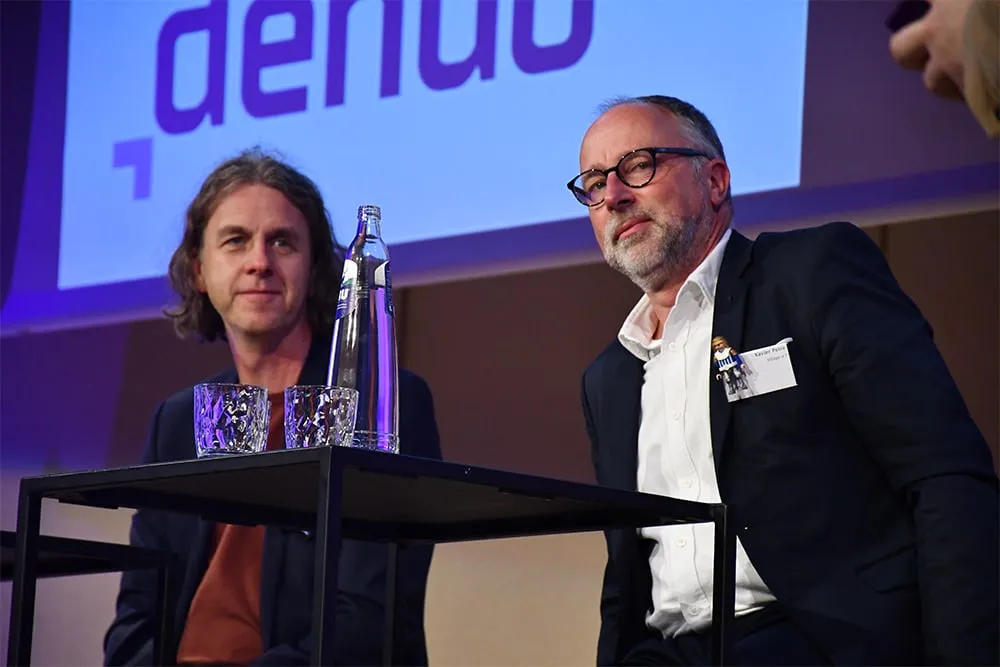
In the second panel discussion, Francis Devisch of Groep Maatwerk and Xavier Petre of Village n°1 Entreprises highlighted the opportunities offered by sheltered workshops to help waste and recycling companies with their circular activities. In Flanders, Groep Maatwerk seeks work assignments for 24,000 people with disabilities in the labour market. “Make more use of us,” Devisch urged. “We are a local partner. What’s more, our people often have a talent for repetitive work. This means their manual work can meet high quality standards. We can also apply more than 60 years of experience and know-how in assembly to help dismantle components efficiently. Our expertise at both ends of the chain can also feed back into the production process to support better ecodesign.
Responding flexibly and quickly
Village n°1 Entreprises supports people with disabilities and those excluded from the traditional labour market by providing quality work and appropriate support, with a view to personal development through work and reintegration into the traditional labour market. Petre added two further strengths. “Flexibility is a key word for us. Thanks to our experience, we know what it takes to help our people make the most of their talents. We can also respond very quickly to customer requests. However, politicians need to consider better funding for our services. If we can bring costs down, we can create even more local employment and value. But this is something that also needs to be addressed at European level. In any case, our sector is an ideal partner for developing circular products.”
Strong leadership
The closing remarks also came from ‘politics’. This period of transition calls for strong leadership to keep us on course. Minister of the Interior Annelies Verlinden shared five lessons she had learnt through her contacts with leaders from different backgrounds. “Leadership should not, first and foremost, be about ego. In the interests of an organisation, sometimes you need to stand in front of people, but also beside or behind them. Secondly, a true leader must be able to bring people together. This is a challenge for companies today, given the different backgrounds and perspectives people have. Sustainable solutions come from the centre, not from polarisation. Thirdly, leadership is about encouraging people and working as a team. A good leader can make all the cogs turn smoothly by giving people the confidence to be the best version of themselves. The penultimate point is the need for a long-term vision. This provides the perspective and certainty needed to invest. Finally, a good leader must be hopeful. This goes beyond blind optimism or naivety. You must act from the conviction that it is worth pursuing something, even when you are not sure of the outcome.”
Question about this story? Ask your question
Keep following this
Get an email when a new story is published. No account needed.
- SubjectNews







