Digital waste identification form
Five minutes to midnight for digitising identification forms

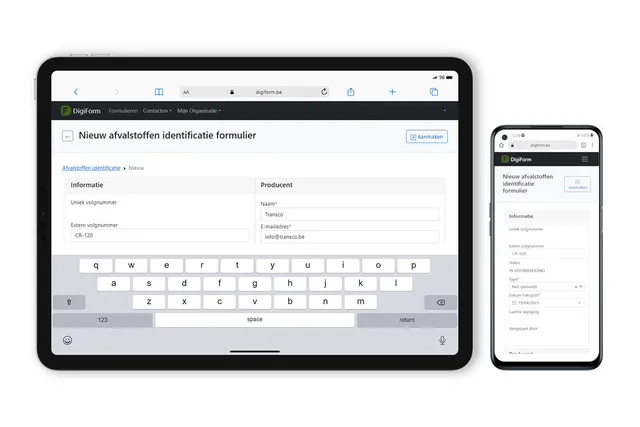
Waste is a regional responsibility. To transport waste today, you need a paper identification form in all three regions. However, since 1 January this year, it has been compulsory in Flanders to have a digital identification form, as stipulated in VLAREMA. Because the choice of providers was still too limited at the end of last year, the minister responsible, Zuhal Demir, introduced an administrative tolerance until the end of 2023. A delay, then, but not an exemption. From then on, it will be serious. Anyone who does not yet have such a solution needs to get on with it urgently. Digitalisation projects often take time, as every link in the chain needs to be brought on board.
The sector has around 2,000 companies that must be able to present digital identification forms by 1 January 2024 at the latest. And, it seems, with considerable reluctance. A survey by sector federation Denuo shows that few companies are currently operating ‘fully digitally’. Is this because there is too little competition in the market? Because it takes time? Because it is expensive? These excuses will no longer hold. OVAM has now officially approved four solutions, so in principle every company should be able to find one that suits its needs. The technology is available, and more solutions will follow as more providers turn their attention to this area.
Decisions need to be made urgently
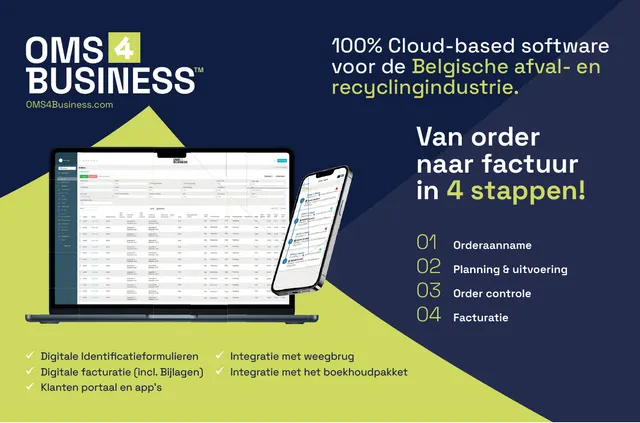
That means it is already five minutes to midnight. Waste and recycling companies, as well as transport firms, urgently need to decide which system best meets their needs. They then need to get to work on the practical implementation. Is the aim simply to use digital identification forms, or should these be integrated with other systems and processes? For example, order entry and planning, or even the weighbridge. Everyone will also need sufficient training to work with the new solutions. The seven months remaining are certainly no time to waste.
Plenty of reasons to take the plunge
Denuo nevertheless remains optimistic. It expects to see a ‘pull effect’ from the summer onwards, with customers and suppliers of waste and recycling companies that have already switched to digital documents likely to follow quickly. There are plenty of benefits: greater transparency, fewer errors and simpler administration … What is more, this is not the only form for which a digital version already exists. E-CMR, for instance, has been available for some time, but is still used only sporadically. In that respect, this requirement could now set in motion a broader shift towards digitalisation.
What about the other regions?
There are, of course, a number of points to consider. OVAM is taking the lead here, but what about the other two regions? Will companies need to show a digital copy in Flanders and a paper one in Wallonia or Brussels? The good news is that pilot projects are also under way in Wallonia to make the switch to digital. But how that will work, whether the same parties will be approved and whether the data will match exactly remain open questions. The Brussels-Capital Region is holding off for now. Beyond Belgium’s borders, paper is likely to remain the standard for the time being, although Europe is also urging a faster move towards digitalisation.
What about the exchange of data between systems?
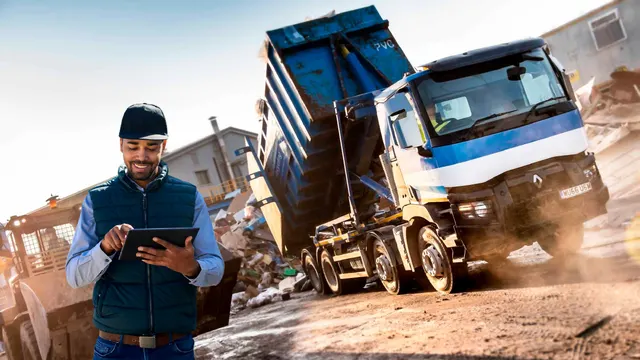
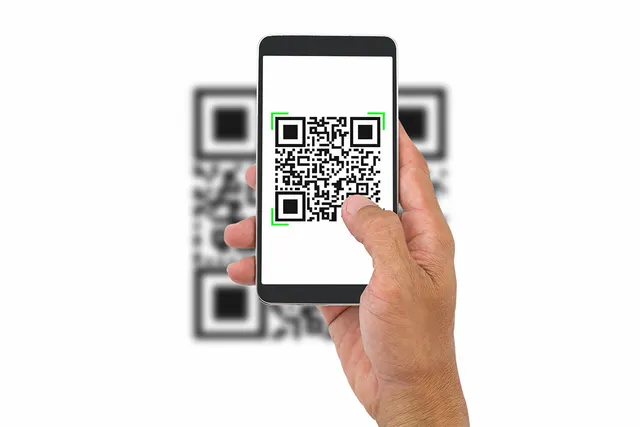
A second point to consider is how the officially approved solutions and systems will manage to exchange data. Each has been developed according to its own logic and meets the legal requirements in its own way. Will they also be able to exchange additional information included in the documents? Only time will tell. OVAM will play a crucial role in this. The suppliers involved are expected to use feedback from users to further fine-tune their systems. Drivers are central to this process. For transport companies that do not carry waste every day, in particular, it will be important to provide sufficient support. They must ensure that drivers do not need a different app for every customer and every solution. Finally, what about the enforcement service? Are its officers already properly equipped to scan QR codes? This, too, will mean a new way of working for them.
Een zakelijke vraag aan OVAM? Get in touch
Companies in this story

Keep following this
Get an email when a new story is published. No account needed.
- ThemeMaking use of textiles and other waste streams
- SubjectDigital waste identification form
- CompanyOVAM