












Competitive energy prices are essential for a competitive recycling industry
Text Valérie CouplezImage iStock

Since the outbreak of war in the Middle East, energy has risen even further up the agenda. This is true of industry in general, but especially of recycling companies. Processes such as shredding, sorting, remelting and advanced material recovery require significant amounts of energy. And energy is cheaper elsewhere than in Europe. As a result, our recycling companies are losing competitiveness. The sector is sounding the alarm.
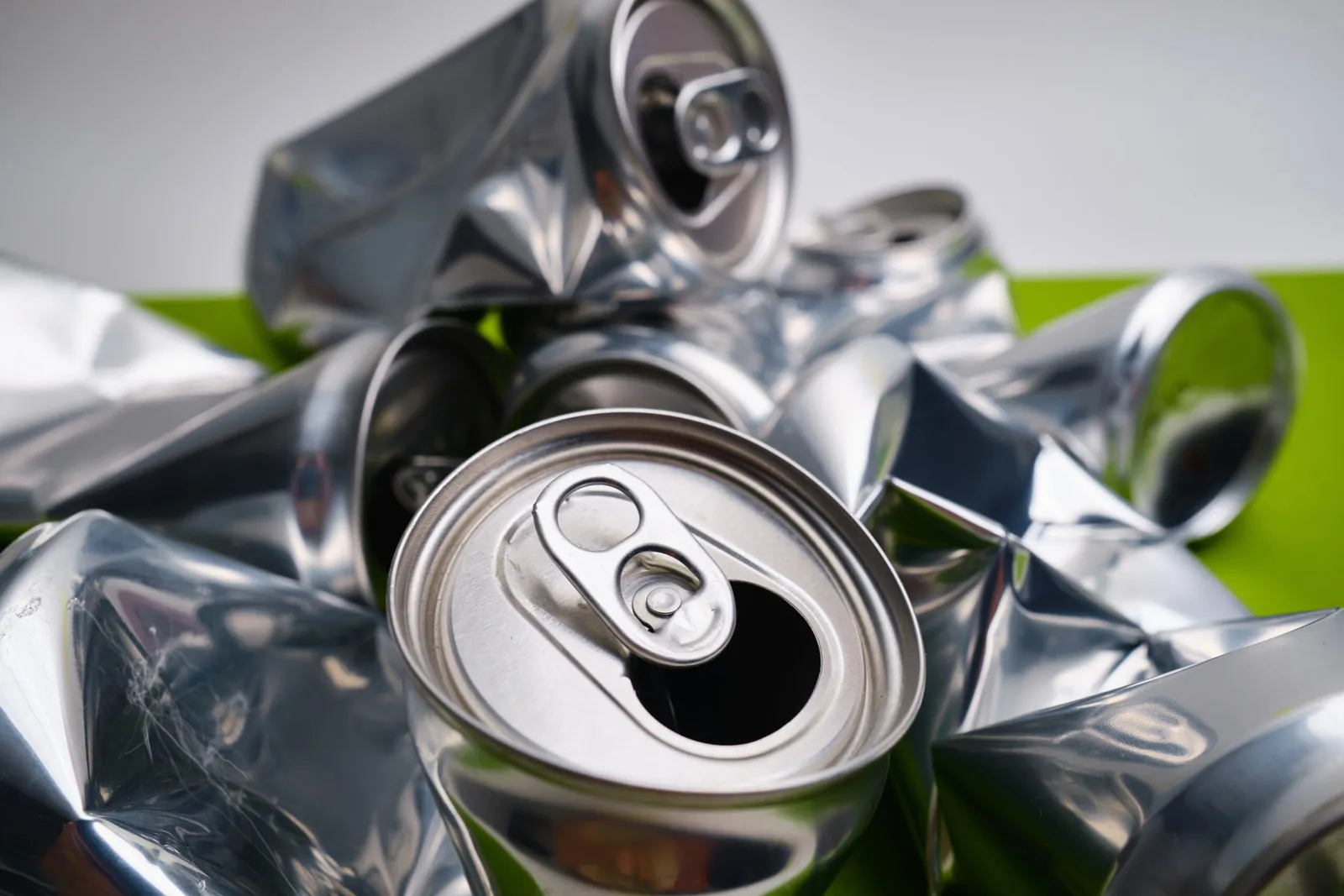
Although processing waste into new raw materials often requires far less energy than producing virgin materials, rising energy prices are also putting pressure on the recycling sector. Take aluminium recycling, which uses up to 95% less energy than primary production. Europe has worked hard to establish a circular aluminium value chain, recognising that this material is strategically important to the transport, construction and packaging sectors, as well as renewable energy technologies. Yet secondary aluminium production remains heavily dependent on affordable and reliable energy. If energy costs continue to rise faster than investment in low-carbon energy generation, some recycling companies could come under increasing financial pressure, despite the environmental benefits they deliver.
Tight margins
Aluminium recyclers are, of course, not the only ones under pressure. For recycling companies already operating on tight margins, rising electricity costs could further undermine their competitive position, particularly in sectors facing intense global competition. If we want to prevent our recycling sector from losing further ground, targeted, structural measures are essential. Not in the long term, but now. In response to this urgent need, Denuo, the Belgian federation for the waste and recycling sector, has set out a number of clear policy priorities to restore the sector’s competitiveness.
Ensure competitive and predictable energy prices
The first priority is clear: energy prices must become competitive again. They are currently the biggest structural handicap facing the recycling sector. Concrete measures, such as capping transmission and distribution network charges, including for SMEs and companies in industrial supply chains, would be a step in the right direction. Excise duties should also be reduced to the EU minimum. Without these measures, recycling will remain structurally more expensive than producing virgin materials.
Remove policy costs from energy bills
Electricity bills are currently being used to fund all kinds of policy measures. This makes energy unnecessarily expensive for companies that are helping to drive the climate transition. Energy bills should reflect the actual cost of energy, not serve as a policy instrument. This is a crucial step towards removing the structural cost disadvantage.
Create a level playing field with international competitors
The recycling sector operates in a global market. Today, our recycling companies have to compete with imports of recycled materials from lower-cost regions and with producers of virgin materials, who often have lower costs or receive support. Stricter import checks and policies that recognise local, circular materials as strategic raw materials for Europe are essential to ensuring a level playing field. Otherwise, Europe will lose not only industry, but also control over its raw materials.
Ensure stability and investment certainty
Finally, a stable and coherent regulatory framework is needed. Constant changes and additional national interpretations create uncertainty and deter investment. The recycling sector needs clear, predictable rules that enable companies to invest in capacity and innovation over the long term.
Question about this story? Ask your question
Keep following this
Get an email when a new story is published. No account needed.
- SubjectNews







