












Circular construction as the foundation for the future
Text Valérie CouplezImage OVAM
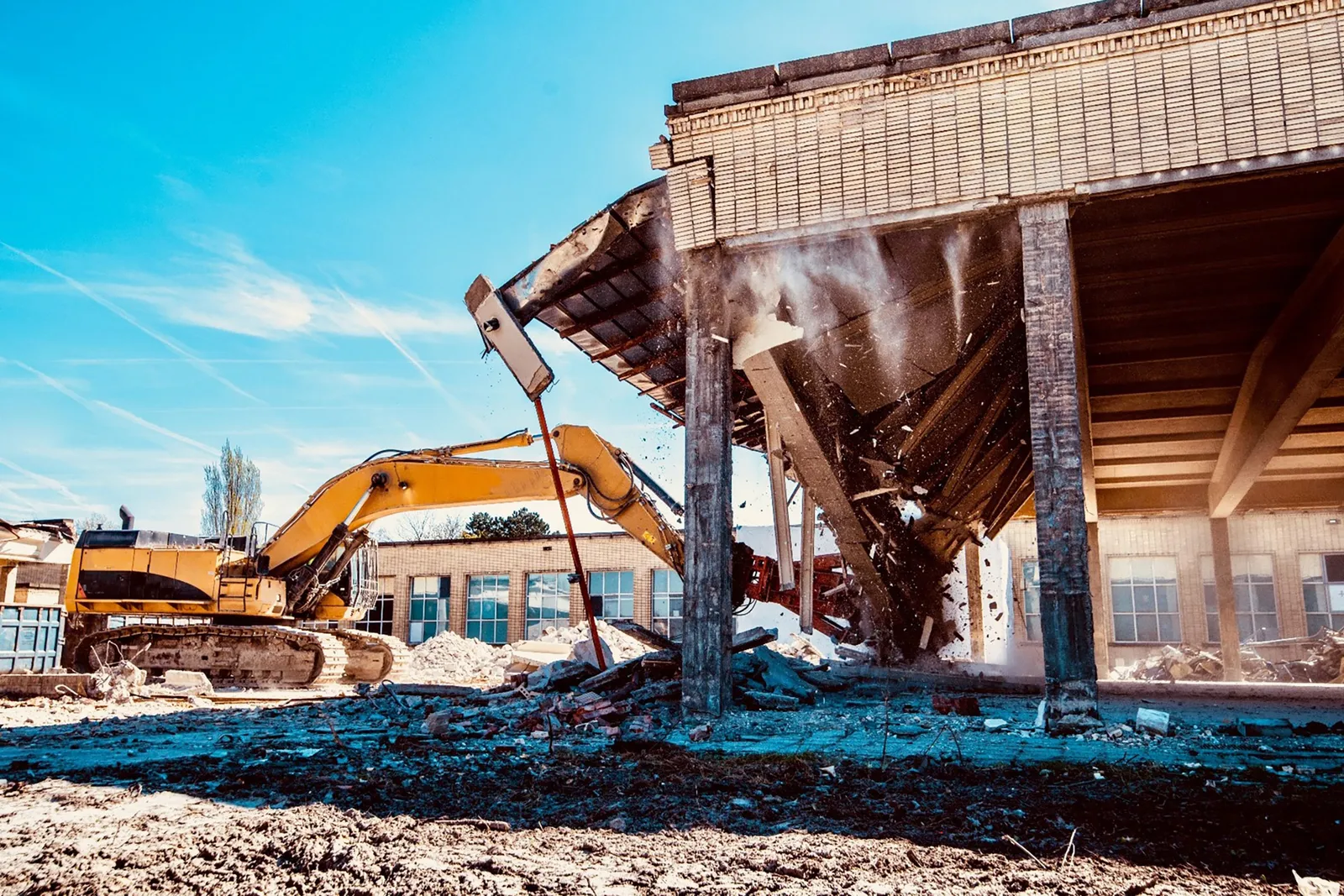
This summer, OVAM launched a white paper on circular construction. Its aim is to inspire everyone in the construction sector, but above all to get them motivated to take the first steps. The more players get involved, the sooner circular construction will become the norm. OVAM spokesperson Jan Verheyen explains why circular construction is becoming a must and how we can turn it into action.
Flanders is doing exceptionally well in recycling construction and demolition waste. With a recycling rate hovering around 97%, we are top of the class. And that is necessary. The construction sector has quite a lot to answer for. It is responsible for half of all material flows and energy consumption, and accounts for 40% of greenhouse gas emissions and a third of water consumption. Yet recycling and energy-efficient construction will not be enough to turn the tide. Jan Verheyen says: “We welcome the figures and the sector’s efforts, but they do need to be put into perspective. Almost all of this relates to the mineral fraction. We can do better when it comes to wood, plastics and electronics. What is more, this often amounts to downcycling. The materials, which often have not had a long service life either, may then be used to fill roads rather than build houses, for example.”
A quarter of new-build projects must be circular
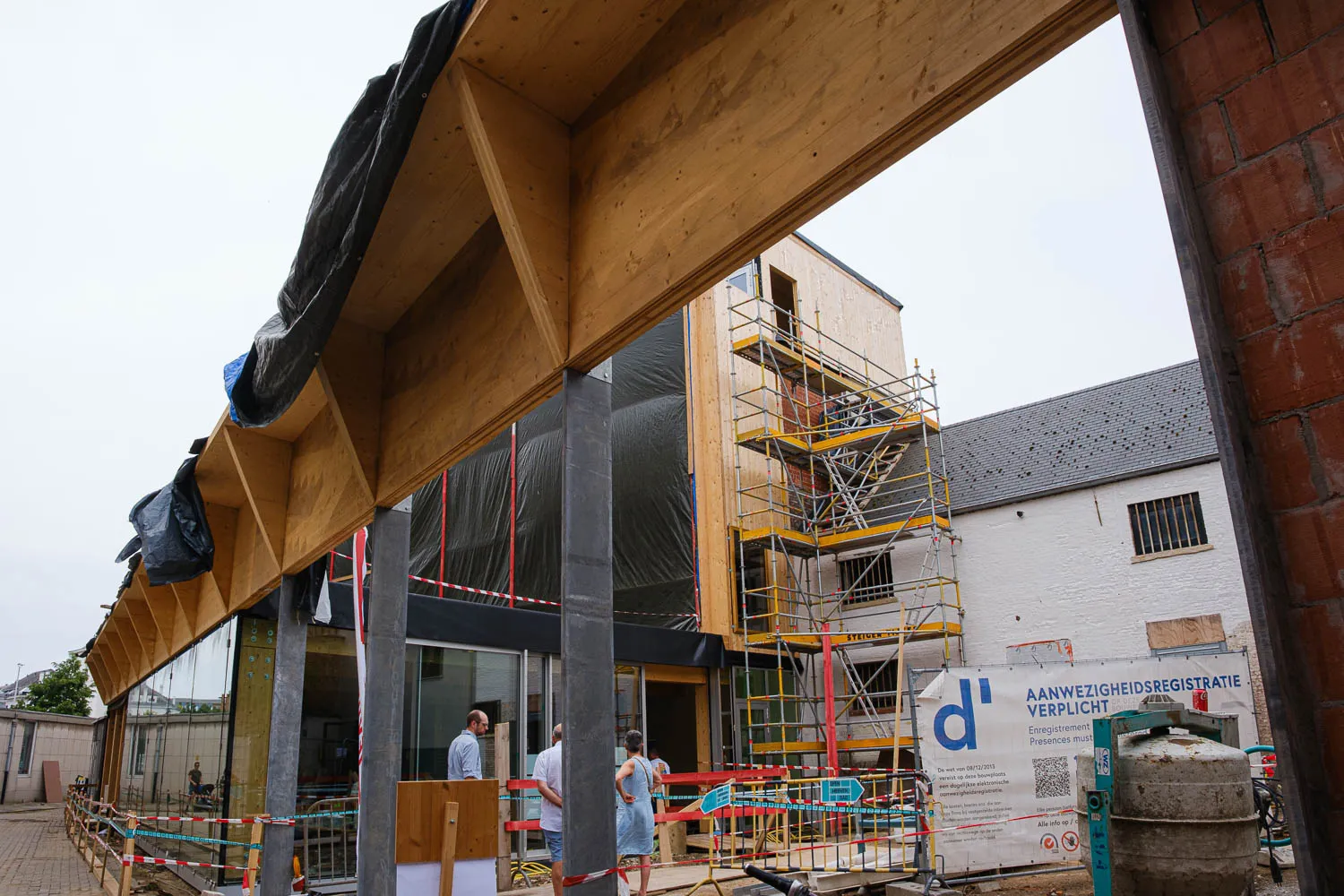
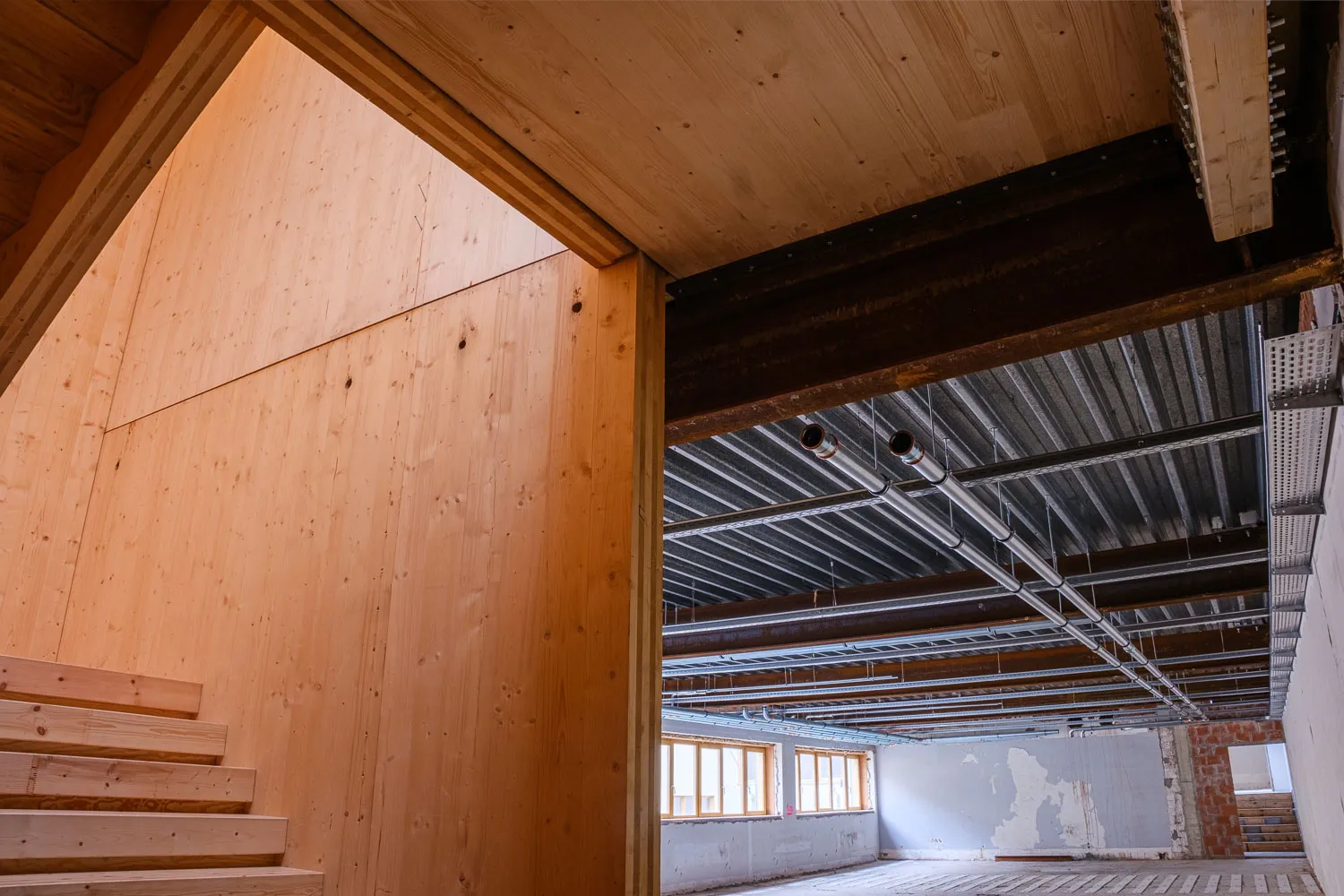
OVAM says we therefore need to aim higher on the R-ladder and move towards truly circular construction. The target for 2030 is 25% of new construction projects. “That starts with the design. Making the right choices at this stage can ensure a building is easier to maintain, adapt, reuse and eventually dismantle. The starting point should be a design that enables long-term, sustainable use by adapting to future needs. We also need to look beyond price when choosing materials: select materials with a low environmental impact and consider how easily they can be reused and recycled. Our free TOTEM tool (tool to optimise the total environmental impact of materials), which we developed together with Brussels and Wallonia, can be used to calculate a building’s environmental impact.” The materials and technology are already available. They have also led to inspiring examples in recent years. “The public sector has played a real pioneering role in this. But numerous private projects also show that it can be done.”
Less expensive in the long term
Cost is currently the biggest barrier to circular construction. OVAM is nevertheless convinced that there is no additional cost in the long term. On the contrary. “If you look at the first 20% of a building’s lifetime, you will indeed have to spend more. But over its entire lifetime, these principles leave you better off, because you avoid high renovation costs. Moreover, precisely because of the environmental impact of construction, European lawmakers want us to move in this direction. The reason is not just to avoid CO2 emissions: construction materials are also finite. That scarcity means we will have to take a smarter approach in future.” From 2028, the material performance of new buildings (over 1,000m²) will also be calculated. Material performance indicates the CO2 impact of the materials used and is shown on the energy performance certificate (EPC). We hope awareness of the need for circular construction will have grown by then. People will not see this as an administrative burden, but as a natural part of a much broader story.”
The role of recyclers
A story that involves all players in the construction sector. “With the Ambition Map, we set out the circular choices, strategies and actions available to each party involved. Circular construction is, above all, a collective effort. Everyone in the construction chain has a role to play.” For recyclers, Verheyen highlights the principles of selective dismantling and demolition. “Demolition is not an end point, but a fully-fledged step in the construction process in which materials retain as much of their value as possible. The better we do this, the less quality is lost and the higher the quality of the recovered materials when they are put back to use. Look at the potential for urban mining in a building. The bouwensloopafval.be website also lists processors and recycling routes for each waste stream. It is a matter of finding the right match.”
Een zakelijke vraag aan OVAM? Get in touch
Companies in this story

Keep following this
Get an email when a new story is published. No account needed.
- SubjectNews
- CompanyOVAM







